How to Choose a Lab Diamond for an Engagement Ring
Choosing a lab grown diamond for an engagement ring gives you plenty of options for size, shape, quality and design. With so many diamonds available, it can be difficult to know which details matter most. The right choice is not always the biggest diamond or the one with the highest grade.
A good lab grown diamond should suit your budget, ring style and personal preferences. By understanding the 4Cs, comparing diamond shapes, checking certification and considering the ring setting, you can make a more informed choice. This guide explains the main points to consider before buying a lab grown diamond engagement ring in the UK.
Start With Your Engagement Ring Budget
Start by deciding how much you are comfortable spending on the complete engagement ring. Your budget should cover the lab grown diamond, ring setting, metal and any customisation you choose. Having a clear figure makes it easier to narrow down your options.
Lab grown diamonds can give you more flexibility when working with a set budget. You may be able to choose a larger centre stone or a higher quality diamond without moving beyond your planned spend. However, avoid choosing a diamond based only on size. The cut, proportions, colour, clarity and certification also affect the overall choice.
Choose the Right Lab Diamond Shape
The diamond shape is one of the first details you should consider because it has a major effect on the appearance of the finished engagement ring. Your choice can be based on personal style, the setting you prefer and how you want the diamond to look on the finger.
Round Cut Lab Diamond
Round cut diamonds are a popular choice for engagement rings. Their shape works well with solitaire, halo, pavé and many other settings. A well cut round diamond can show strong light return, making cut quality an important consideration when comparing stones.
Oval Cut Lab Diamond
Oval diamonds have an elongated shape that can give the finger a longer appearance. They can also offer a larger visual spread compared with some other shapes of the same carat weight. Oval diamonds work well in simple solitaire rings as well as halo and three stone designs.
Cushion Cut Lab Diamond
Cushion cut diamonds have a square or rectangular outline with softly rounded corners. They can suit both modern and vintage inspired engagement rings. If you prefer a softer shape rather than the sharper lines of some other cuts, a cushion diamond may be worth considering.
Emerald Cut Lab Diamond
Emerald cut diamonds use step cut facets that create a broad, open appearance. Instead of focusing mainly on intense sparkle, this shape is known for its clear lines and reflective look. Because the larger facets can make inclusions easier to notice, clarity is particularly important when choosing an emerald cut lab diamond.
Pear, Marquise and Other Shapes
Pear and marquise diamonds offer a different look from traditional round and oval shapes. Their elongated outlines can create a distinctive appearance and work well in different engagement ring styles. Consider the proportions of the diamond and how its shape will sit within the setting before making your choice.
Understand the 4Cs of a Lab Grown Diamond
The 4Cs are cut, colour, clarity and carat. These grading factors help you compare diamonds, but they should not be considered separately. A diamond's overall appearance depends on how these qualities work together.

Cut
Cut describes how well a diamond has been cut and finished, rather than its shape. It affects how the diamond handles and reflects light, so it can have a noticeable effect on its appearance.
When comparing diamonds, do not assume that a higher carat weight automatically means a better choice. A well cut diamond with balanced proportions can look more appealing than a larger diamond with weaker cut quality.
Colour
Diamond colour refers to how much colour is visible in a stone. The grading scale generally moves from colourless grades towards stones with more noticeable colour.
Your preferred colour grade can depend on the appearance you want and the metal used for the ring. White metals may make colour differences easier to notice, while yellow or rose gold can create a different overall effect.
Clarity
Clarity refers to internal inclusions and external blemishes. Higher clarity grades generally have fewer visible characteristics, but the highest grade is not always necessary for an engagement ring.
An eye clean diamond can offer a good balance between appearance and price. The most important point is whether the stone looks clear to the eye at normal viewing distance, rather than choosing a clarity grade simply because it is higher.
Carat
Carat measures the weight of a diamond, not its exact visual size. Two diamonds with the same carat weight can have different measurements and may look different when placed next to each other.
When choosing a centre stone, compare the carat weight with the diamond's length, width and overall proportions. This is especially useful when comparing different shapes.
Look Beyond the 4Cs
The 4Cs give you a useful starting point, but they are not the only details worth checking. Diamond measurements and proportions can help you understand how a stone will actually appear.
Look at the length, width, depth and table measurements when comparing diamonds. For fancy shapes such as oval, pear and marquise, the length to width ratio can also affect the overall look.
Two lab grown diamonds can have similar carat, colour and clarity grades but still appear different because of their proportions and cut. Comparing the complete grading information helps you make a more informed decision.
Check the Lab Diamond Certification
A grading report gives you important information about a diamond's characteristics. It can show details such as carat weight, colour, clarity, measurements and other grading information.
Before buying, check that the diamond's details match the certification. If a certificate number is provided, verify it through the relevant grading laboratory where possible.
Certification is particularly useful when comparing several diamonds because it gives you a consistent set of details to review. It also helps you understand exactly what you are paying for rather than relying only on product photographs or a short description.
Choose a Lab Diamond That Matches Your Ring Setting
The setting and centre diamond should work together. A particular diamond shape may look very different depending on the setting, metal and side stones used in the design.
Solitaire Setting
A solitaire setting places the focus on one centre diamond. It can work with round, oval, cushion, emerald and many other shapes. Because there are fewer surrounding stones, the centre diamond becomes the main part of the design.
Halo Setting
A halo setting surrounds the centre stone with smaller diamonds. This can create a fuller appearance around the centre diamond. The shape of the halo should follow the outline of the centre stone for a balanced look.
Three Stone Setting
Three stone rings combine a centre diamond with two side stones. The side stones can match the centre shape or create contrast. When choosing this style, consider how the three stones will look together in terms of size and proportions.
Pavé and Cathedral Settings
Pavé settings use smaller diamonds along part of the band, while cathedral settings raise the centre stone above the shoulders of the ring. These designs can add more detail around the centre diamond, so consider how much additional detail you want before choosing your stone.
Select the Right Metal for Your Engagement Ring
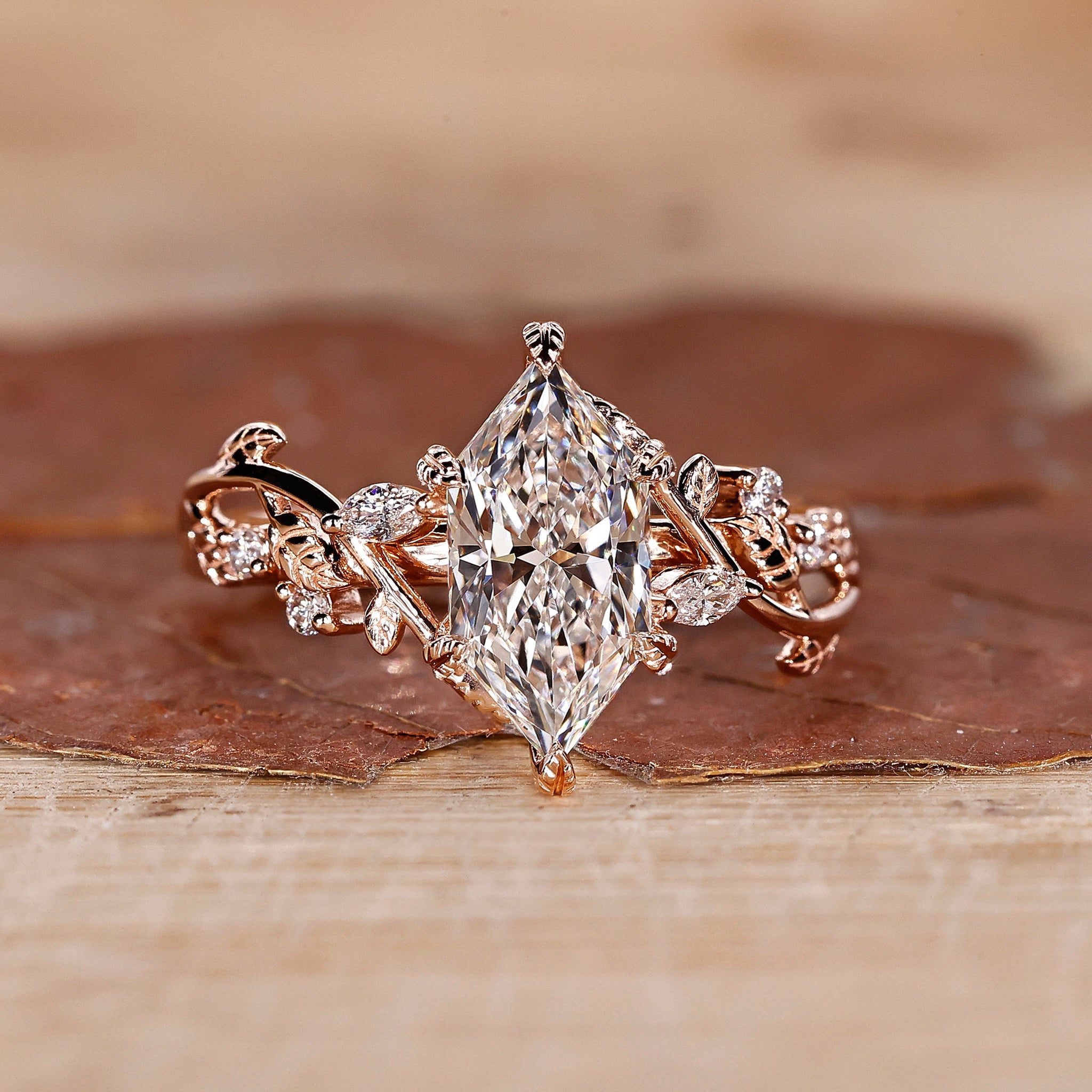
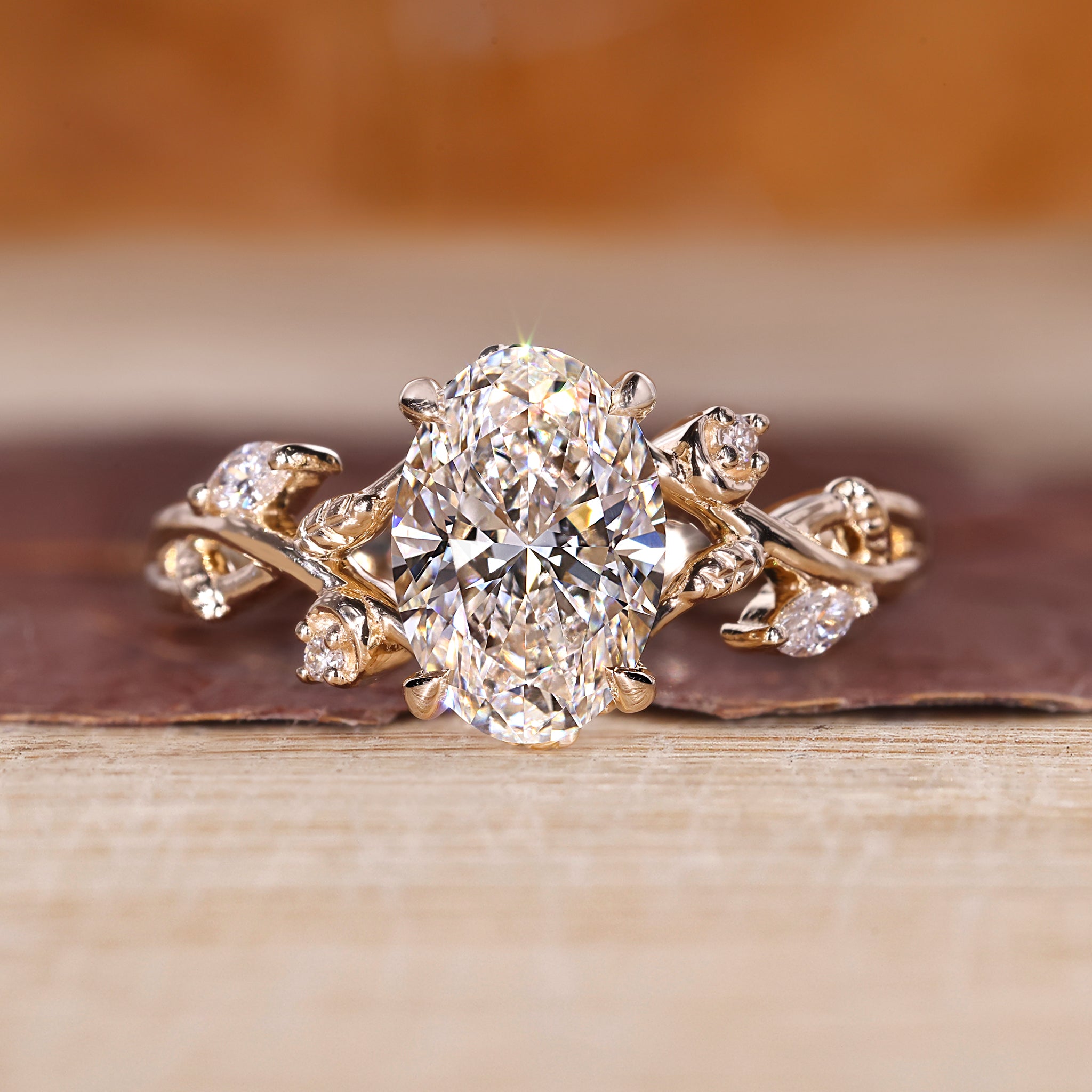
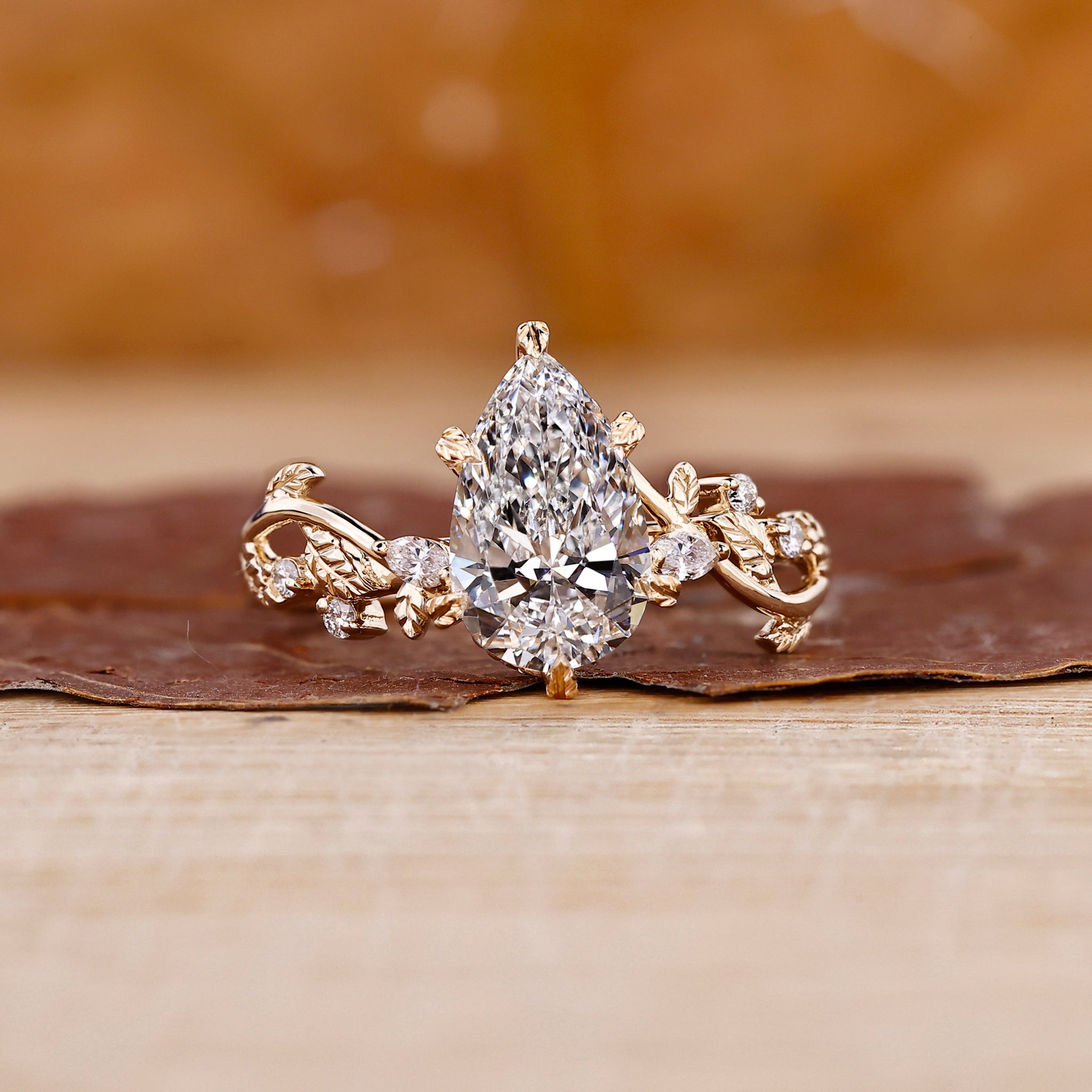
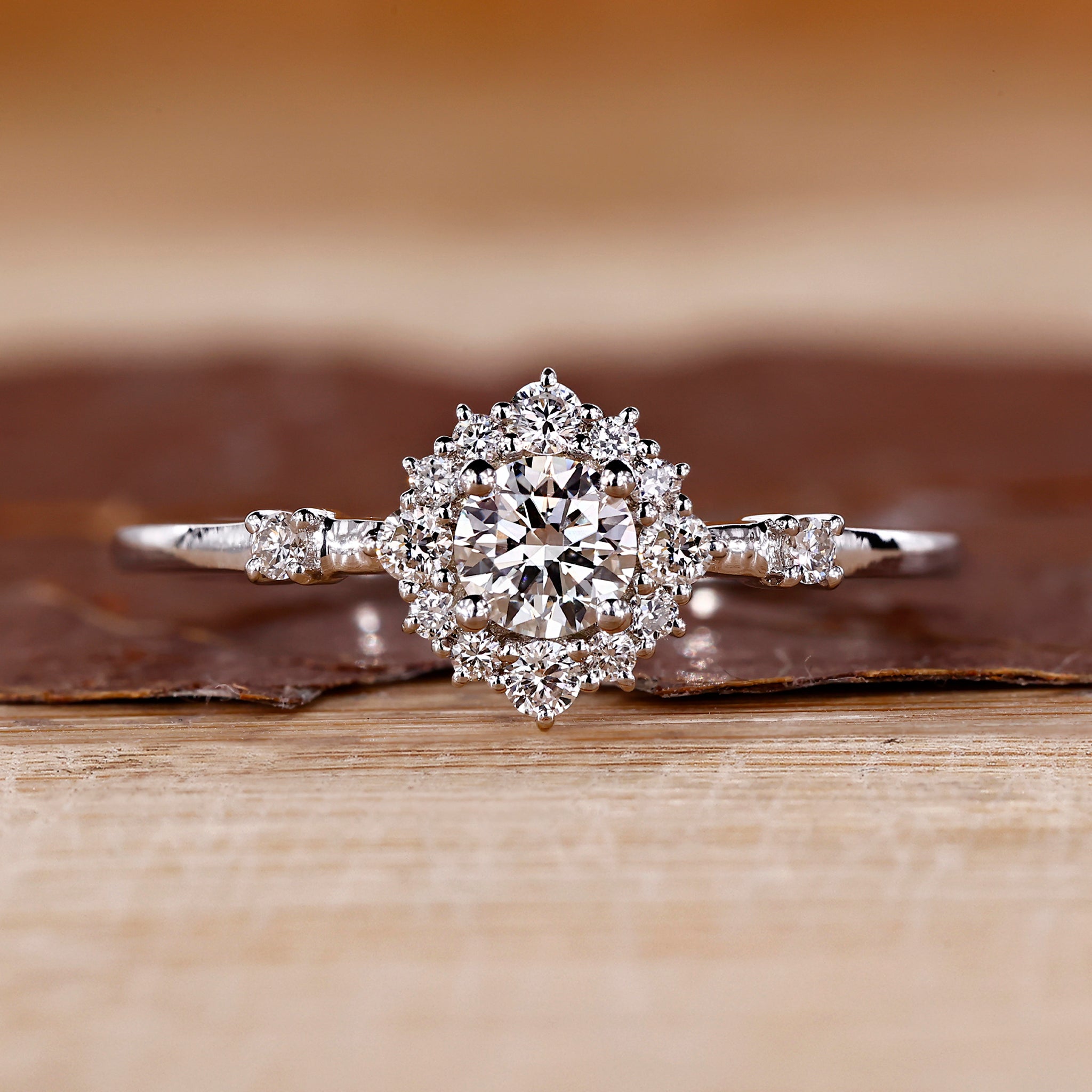
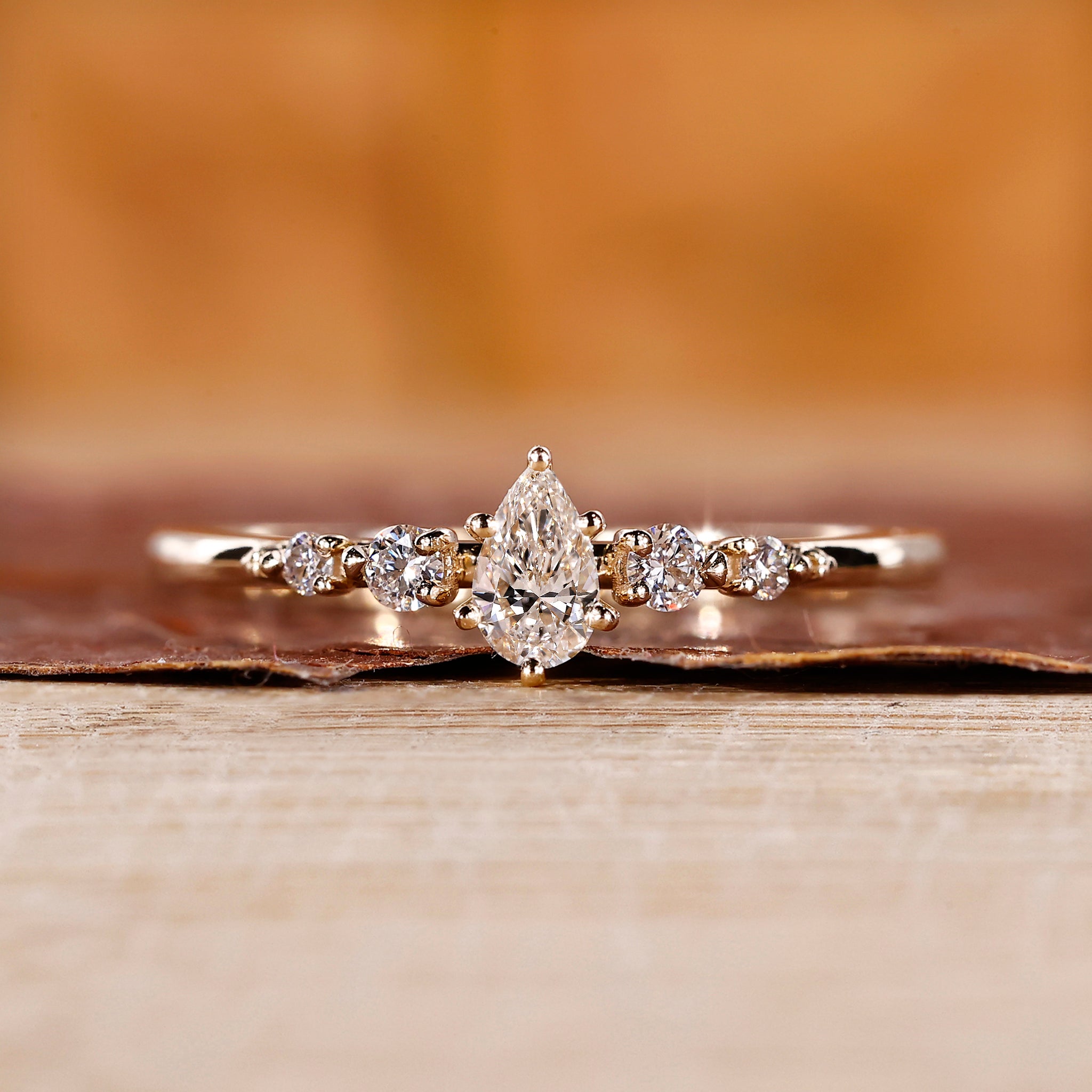

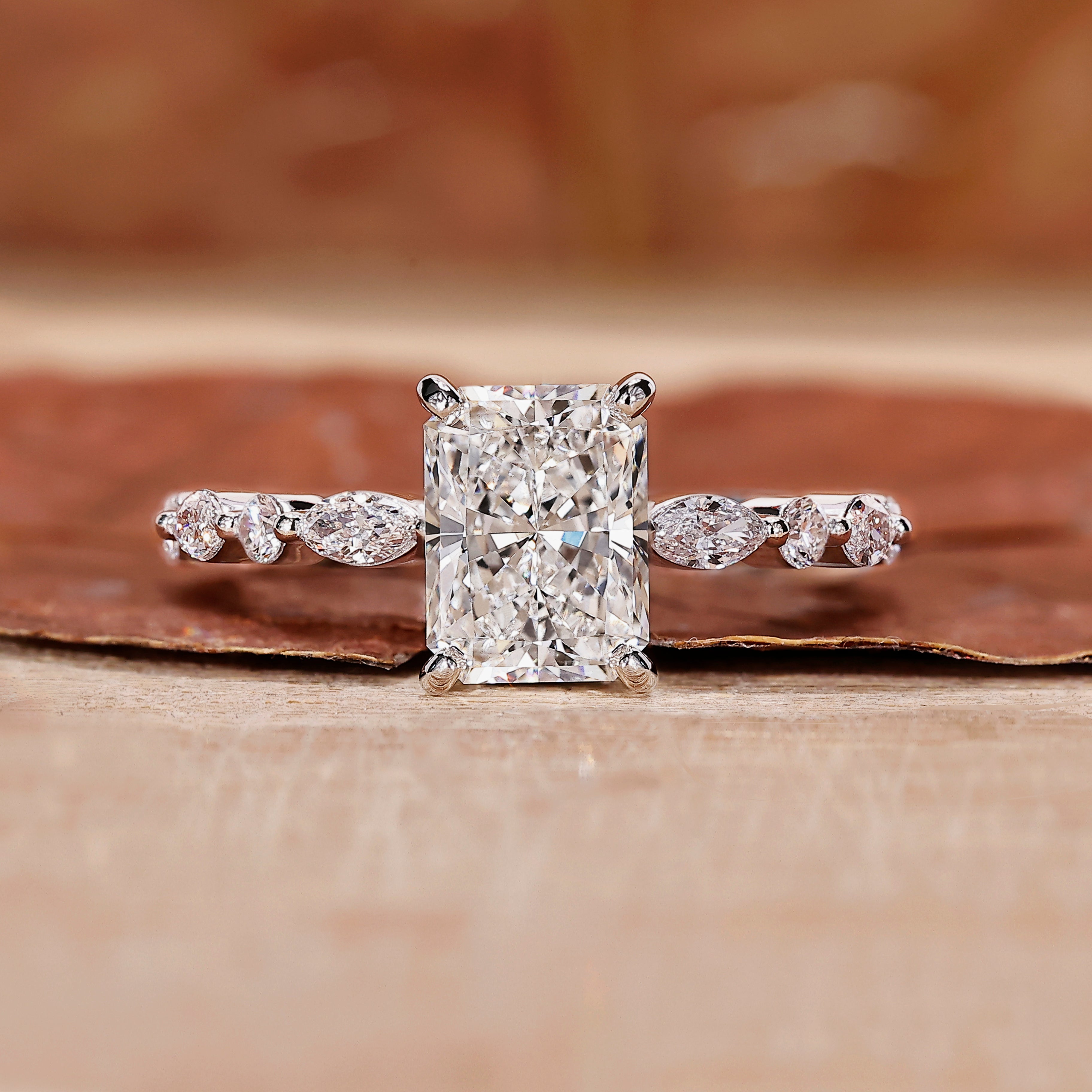
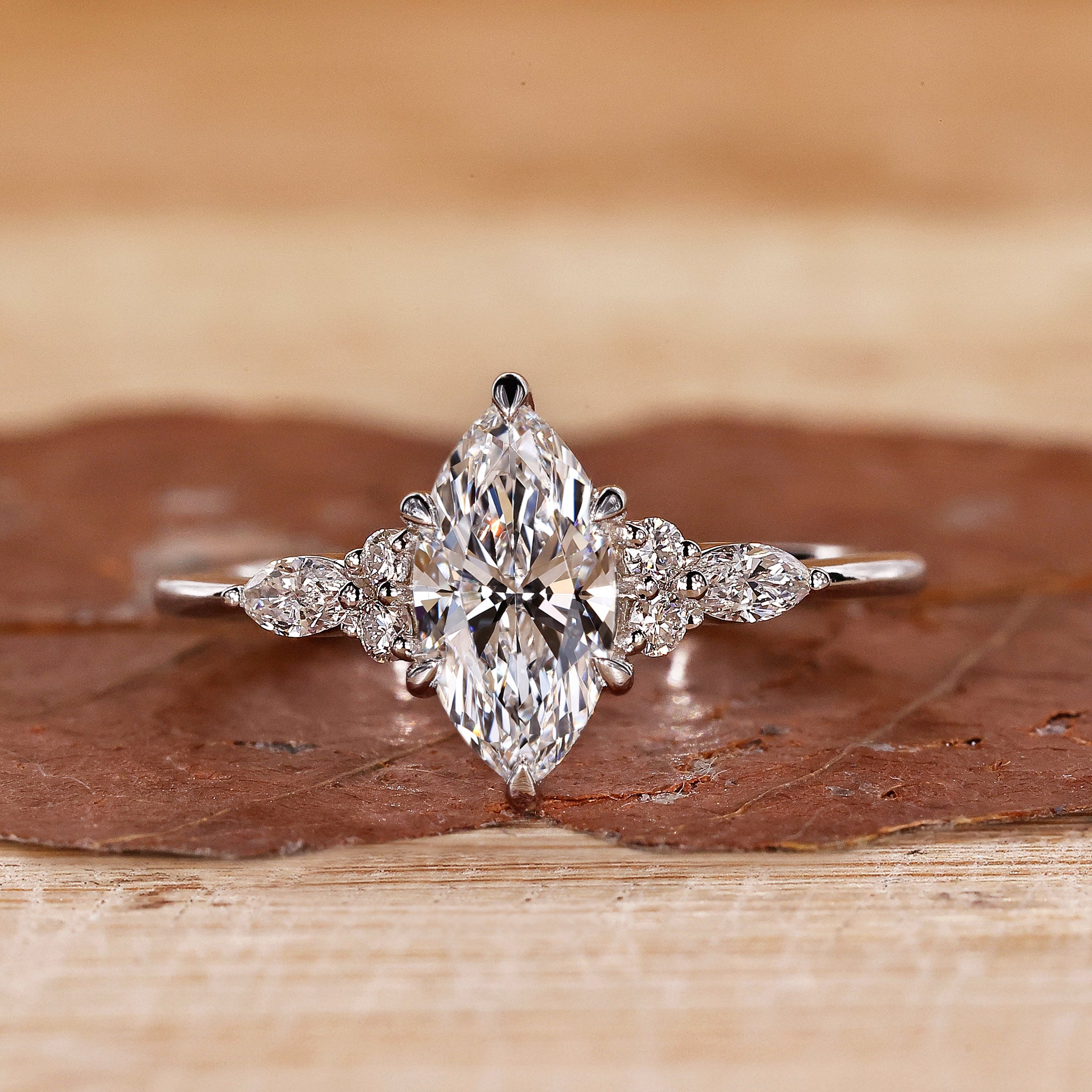
The metal you choose can change the overall look of your engagement ring. Yellow gold, white gold, rose gold and platinum each offer a different appearance. Consider your style and how the metal will work with your chosen lab diamond.
Think about the diamond's colour grade when selecting the metal. White gold and platinum create a bright white look, while yellow and rose gold add warmer tones. Choosing both together can help create a balanced ring design.
Consider the Diamond's Size and Finger Appearance
Carat weight does not tell you exactly how large a diamond will look on the finger. The diamond's shape, measurements and proportions also affect its visual size. Compare these details when choosing between different lab grown diamonds.
Elongated shapes such as oval, pear and marquise can give more length across the finger. Check the actual measurements rather than looking only at carat weight. This makes it easier to compare the size and proportions of different stones.
Compare Lab Diamond Prices Carefully
Compare the full specifications when looking at lab grown diamond prices. Check the shape, carat, cut, colour, clarity, measurements and certification before deciding. This helps you compare diamonds on more than just their price.
Also consider the total cost of the engagement ring, including the setting, metal, side stones and customisation. A lower priced diamond may not offer the qualities you want. Look for a balance between your budget and the diamond specifications.
Decide Between a Ready Made and Custom Lab Diamond Engagement Ring
Ready Made Engagement Rings
A ready made engagement ring can suit you if you already know the style you prefer. You can choose from existing designs and select a centre diamond that works with the setting. This can make the buying process simpler.
You can compare different ring styles, diamond shapes and metals without planning every detail yourself. It is a practical choice when you want a finished design that is ready to order and matches your preferences.
Custom Engagement Rings
A custom engagement ring gives you more control over the finished design. You can choose the lab diamond shape, centre stone size, metal and setting based on your preferences. The design can be planned around the diamond you select.
Customisation can be useful if you want a particular style or a ring that differs from ready made designs. It also allows you to select specific details that make the engagement ring suited to your taste.
Choose Diamondrensu UK for Your Lab Grown Diamond Ring
Diamondrensu UK offers lab grown diamond engagement rings with different diamond shapes, settings and metal options. You can explore ring designs and choose a centre diamond that suits your preferred style, size and budget.
Before ordering, check the diamond details, ring specifications and available customisation options. You can also review the brand's policies and aftercare information to make a more informed choice when selecting your engagement ring.
Common Mistakes to Avoid When Choosing a Lab Diamond
Choosing the largest carat weight without checking cut quality is a common mistake. A bigger diamond may not have the appearance you want if its proportions are not well balanced. Consider the 4Cs together rather than focusing on one detail.
Avoid choosing a diamond based only on the lowest price. Check its certification, measurements and specifications before buying. You should also consider whether the diamond works well with your chosen setting and metal.
How to Compare Two Lab Diamonds
If you are deciding between two similar lab diamonds, compare them step by step.
- Compare the shapes: Decide which outline suits your ring style.
- Check carat and measurements: Look at physical dimensions as well as weight.
- Review cut quality: Consider how the diamond is cut and proportioned.
- Compare colour: Check how the colour grade works with your chosen metal.
- Review clarity: Look for an eye clean appearance.
- Check certification: Review the grading information for both stones.
- Compare prices: Make sure you are comparing diamonds with similar specifications.
-
Consider the setting: Choose the diamond that works best with your planned engagement ring.
This approach can make it easier to compare diamonds without focusing on only one specification.
Final Checklist Before Buying a Lab Diamond Engagement Ring
Before placing your order, check the following:
- Set your overall budget.
- Choose your preferred diamond shape.
- Compare cut, colour, clarity and carat.
- Review the diamond's measurements and proportions.
- Check the grading report.
- Choose a suitable ring setting.
- Select your preferred metal.
- Compare the total ring price.
- Check the jeweller's return and warranty policies.
- Review customisation details if applicable.
Taking a little extra time at this stage can help you choose a lab diamond that works well with both your budget and your preferred ring design.
Frequently Asked Questions
Leave a comment
Please note, comments must be approved before they are published.