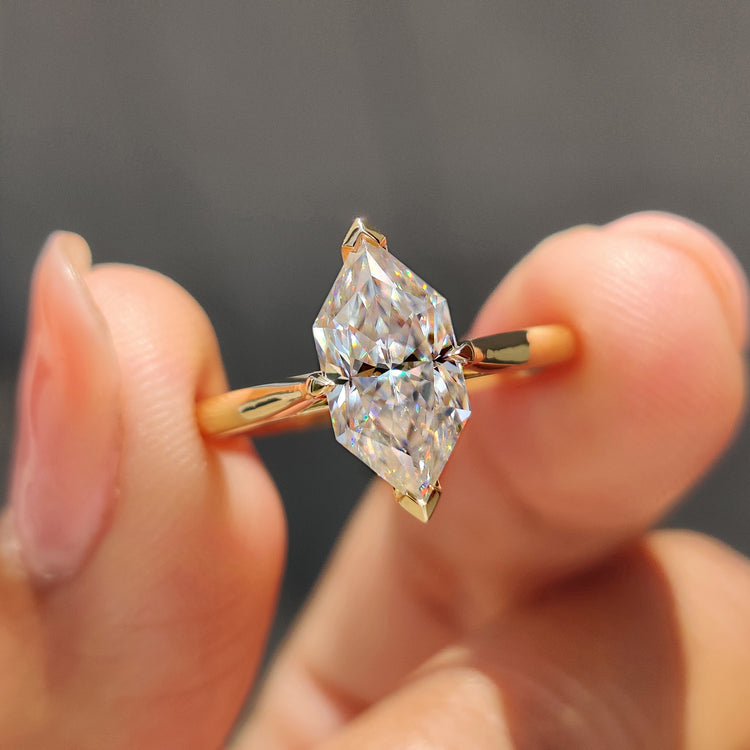
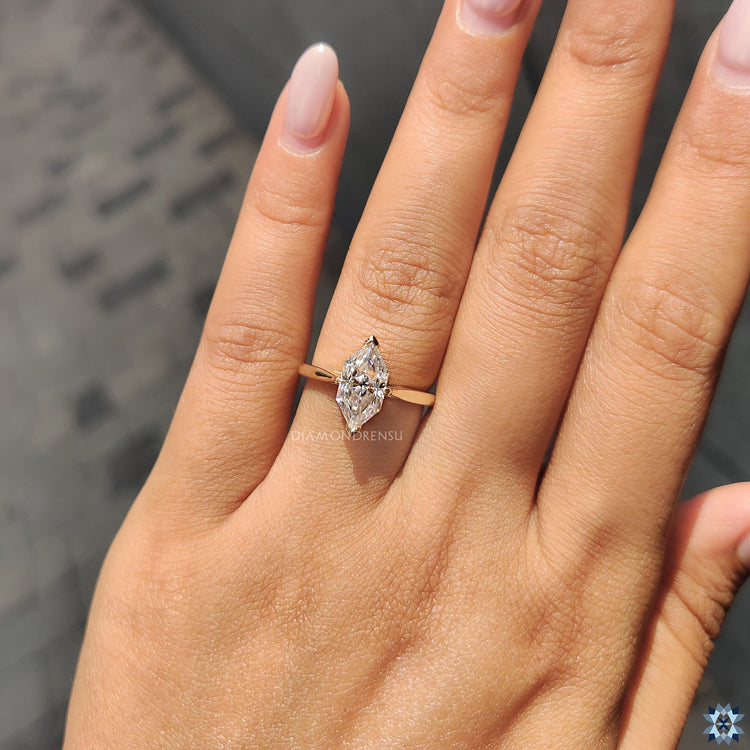
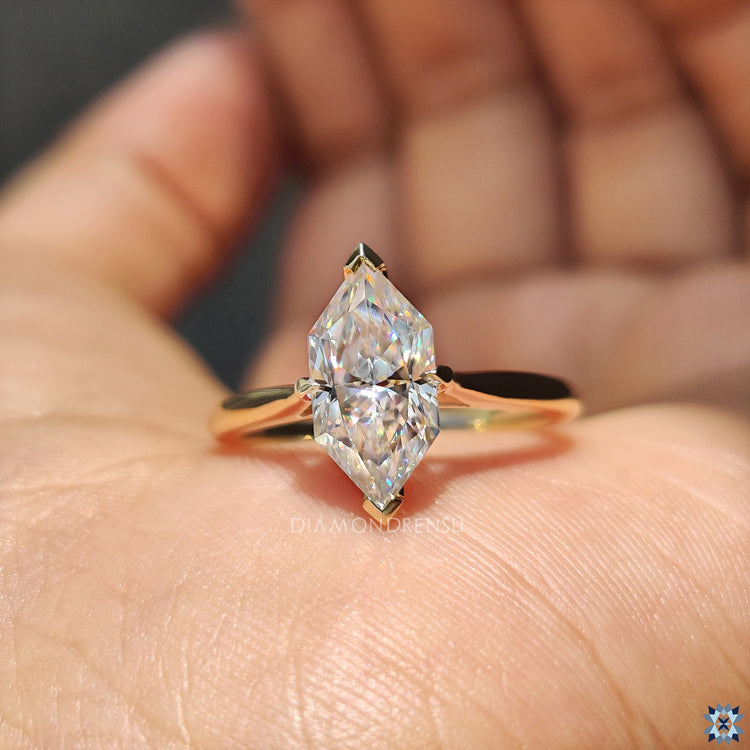
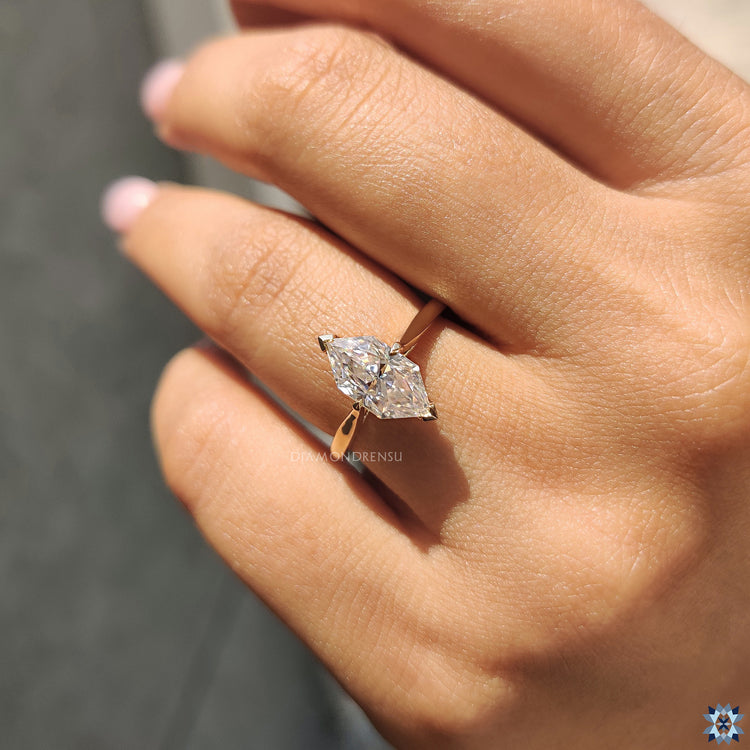
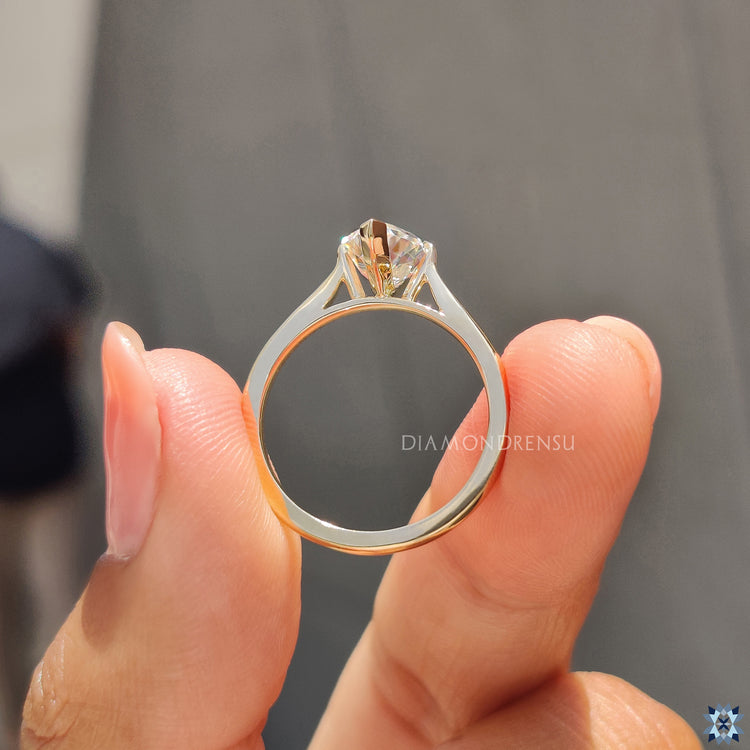
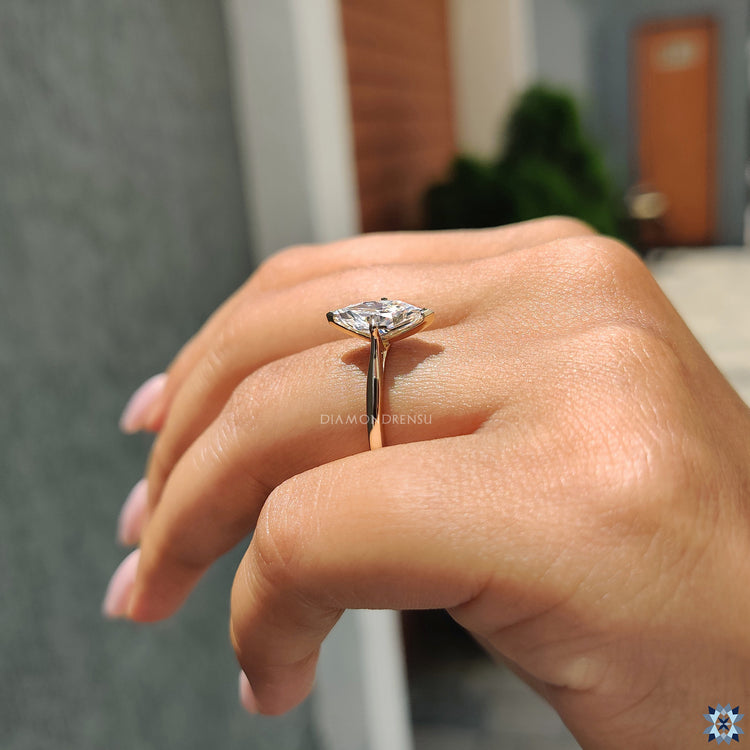
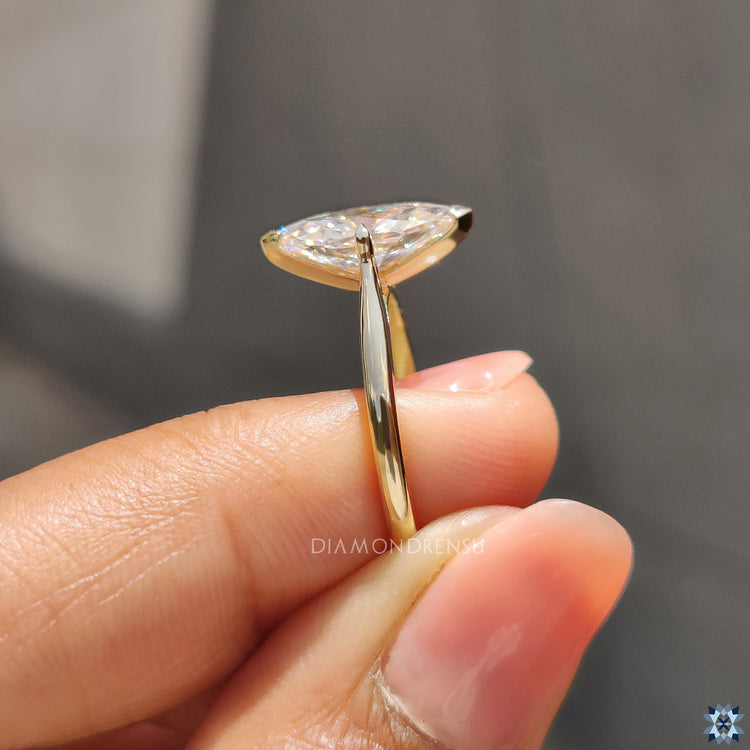
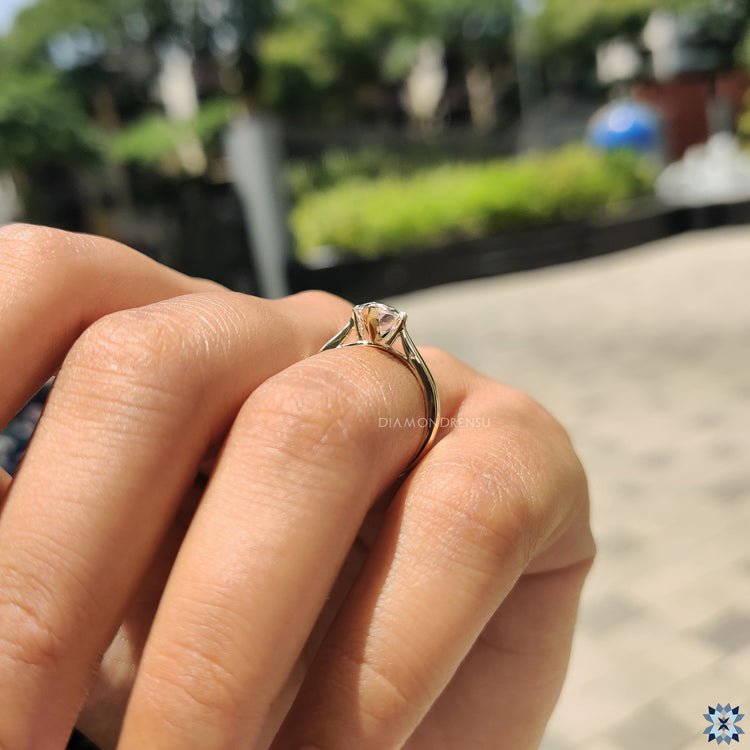
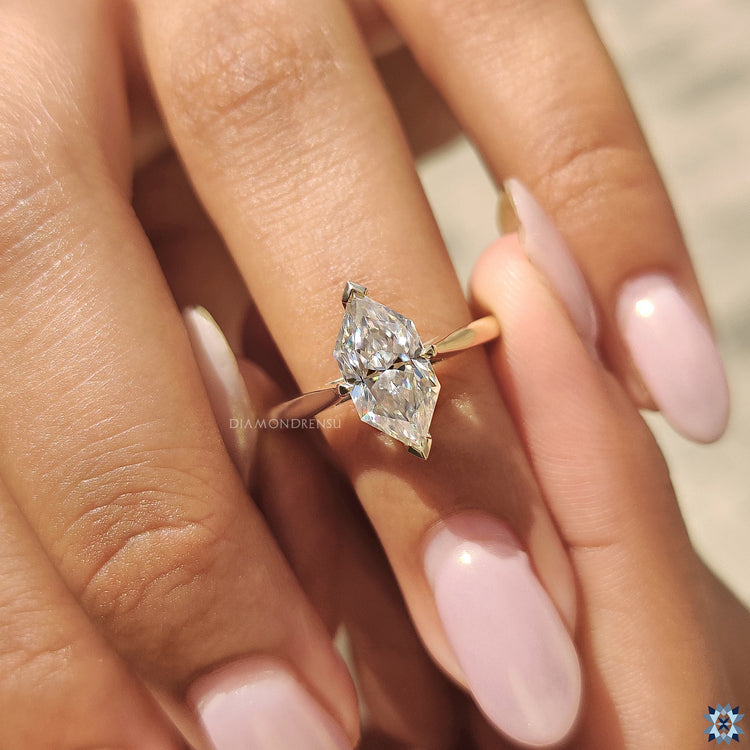
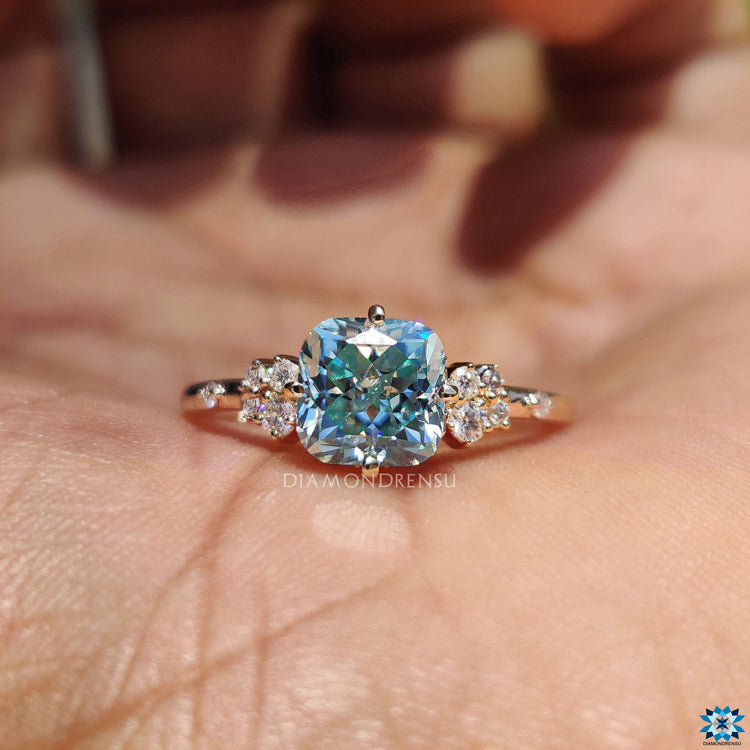
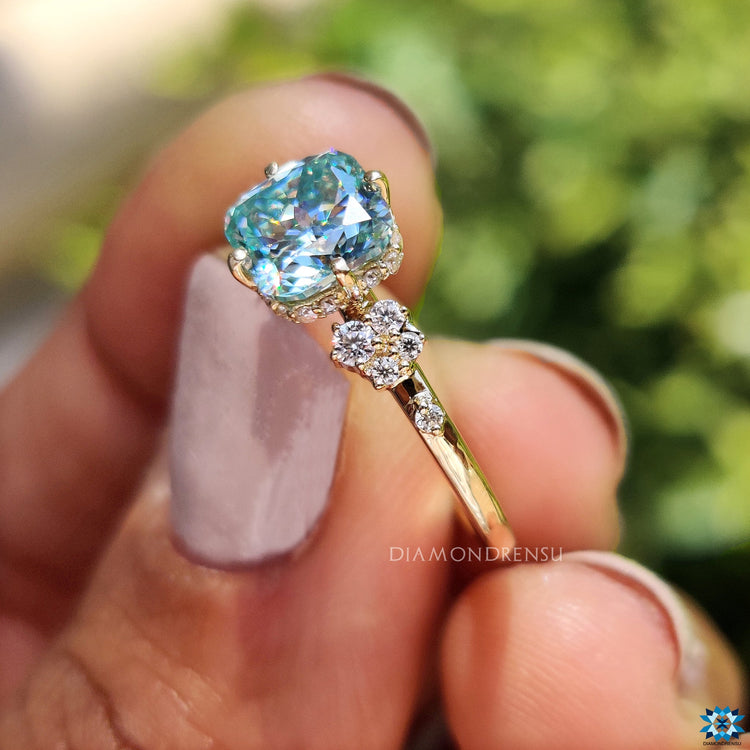
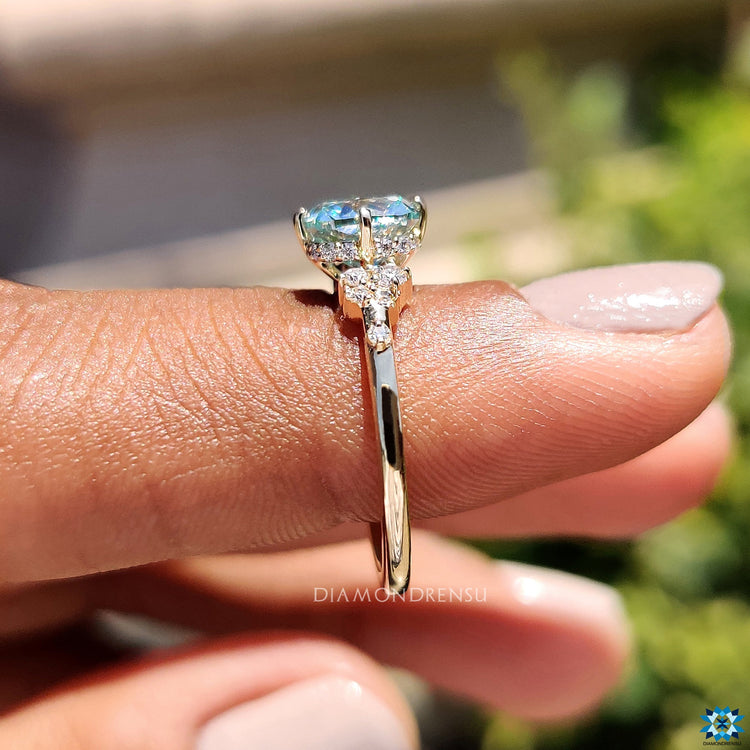
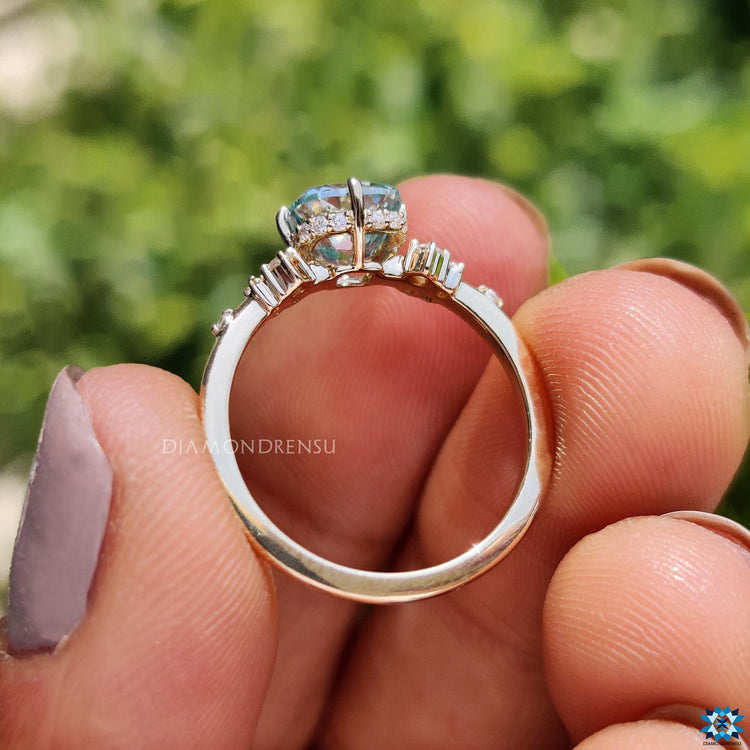
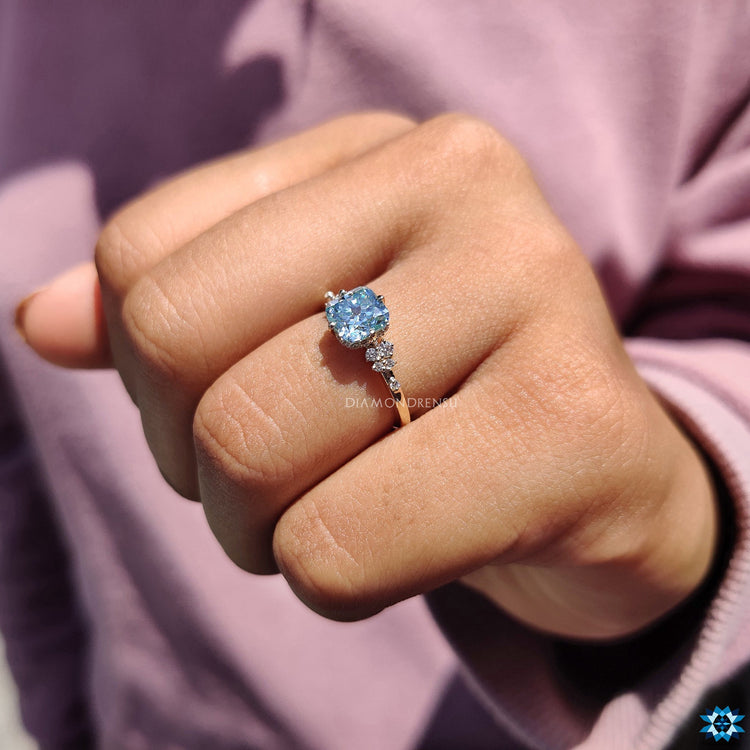
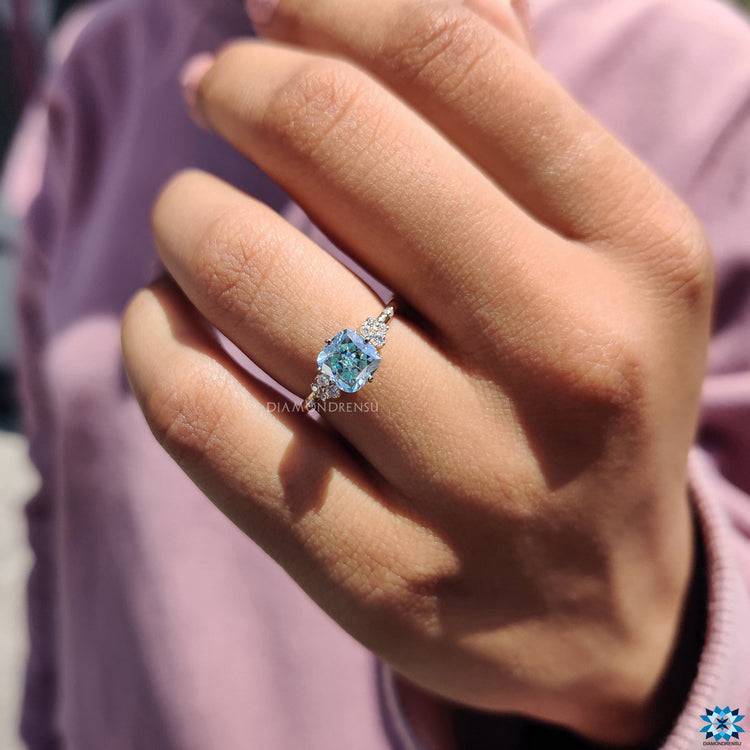
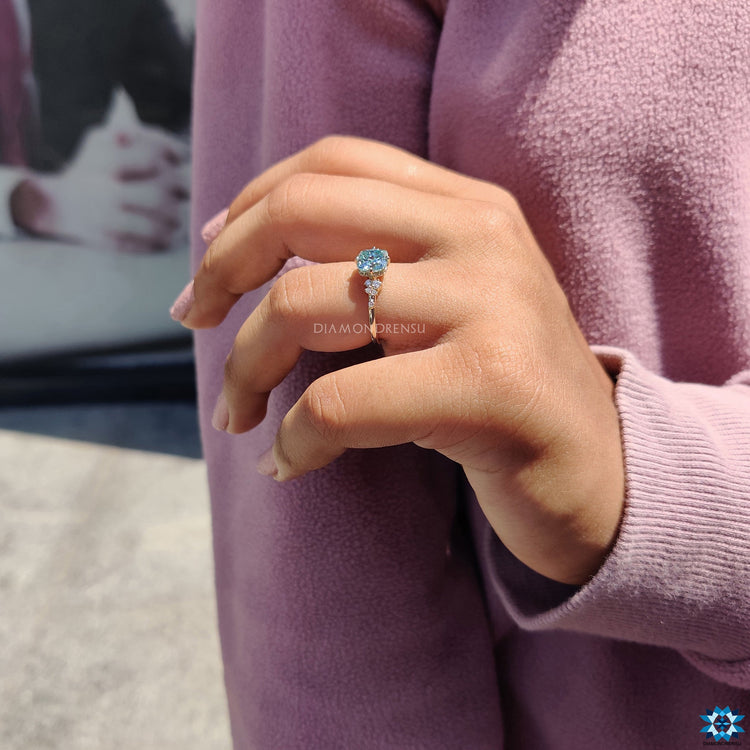
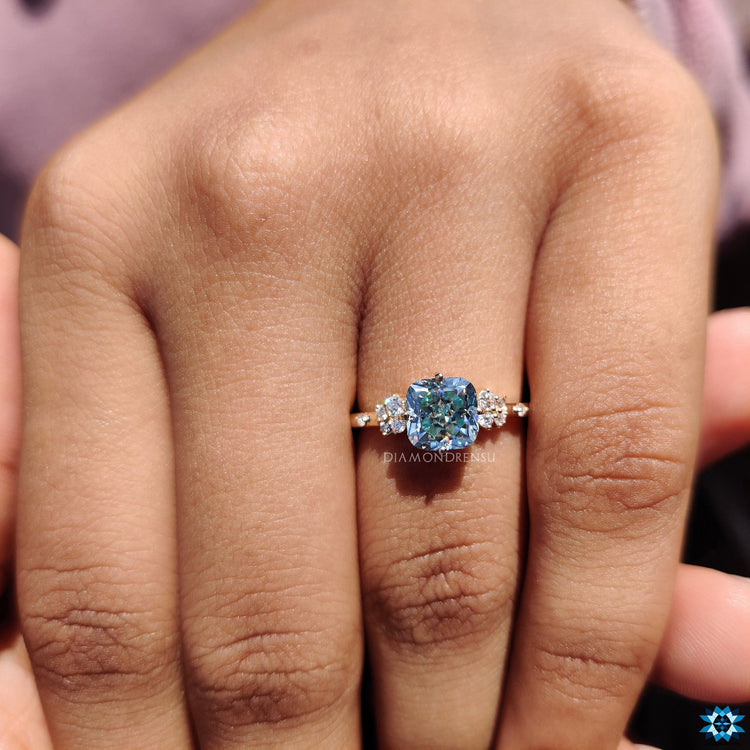
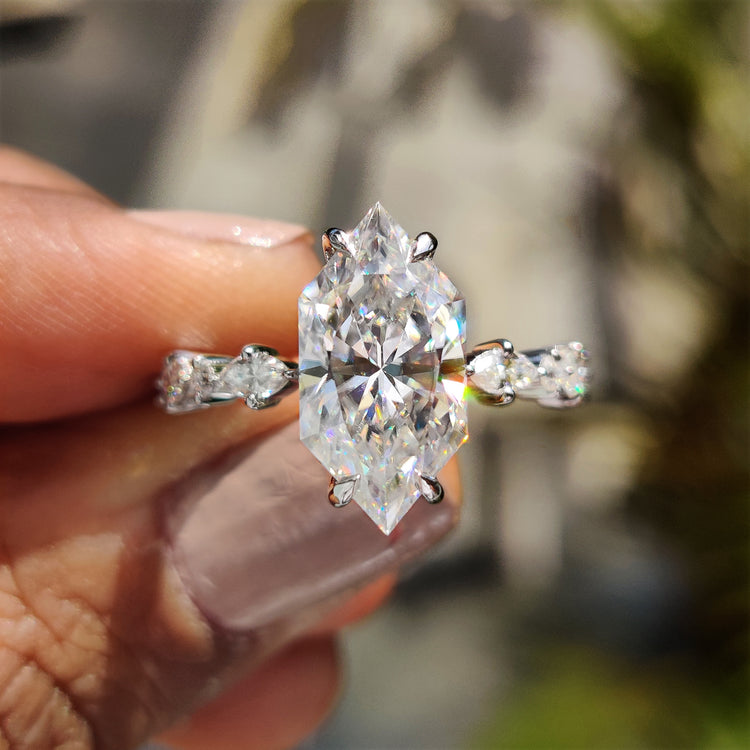
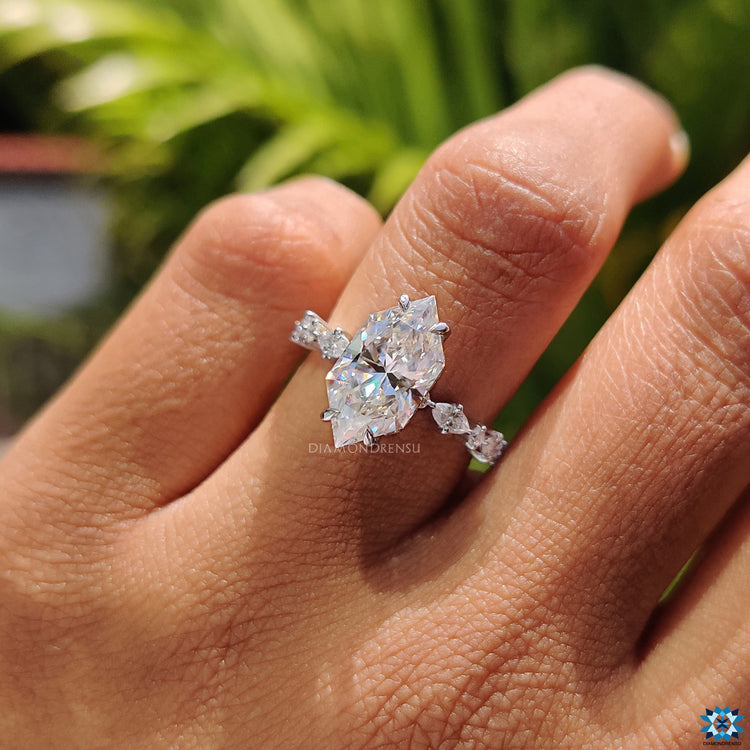
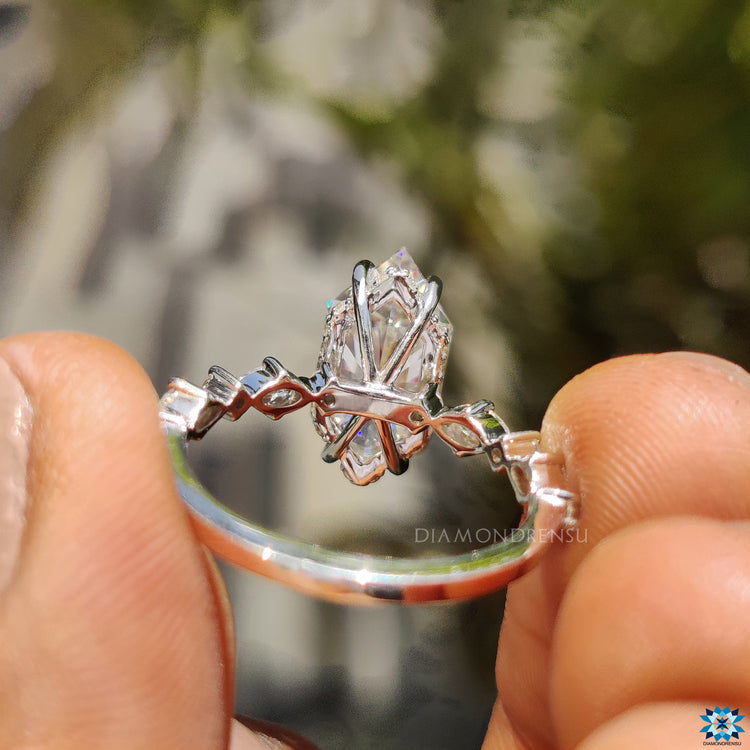
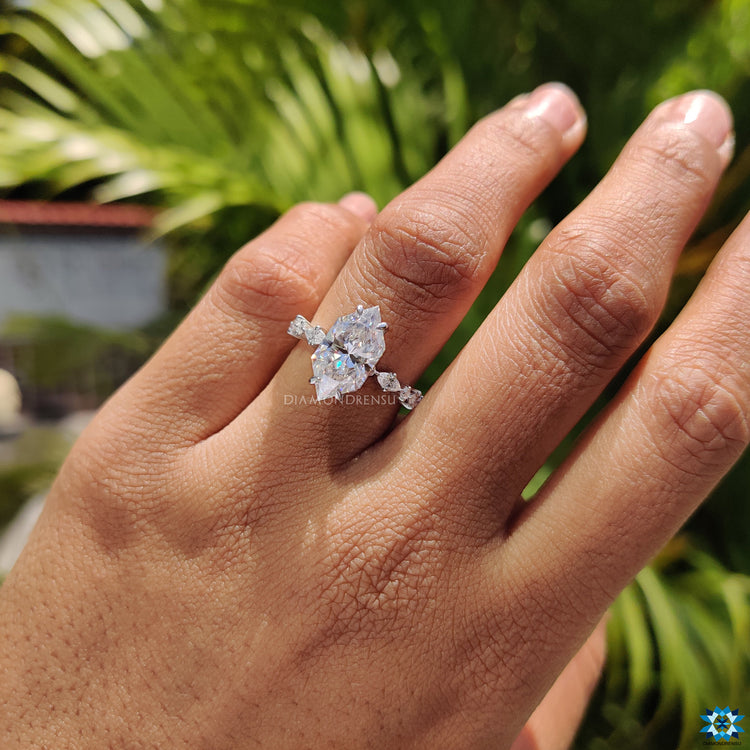
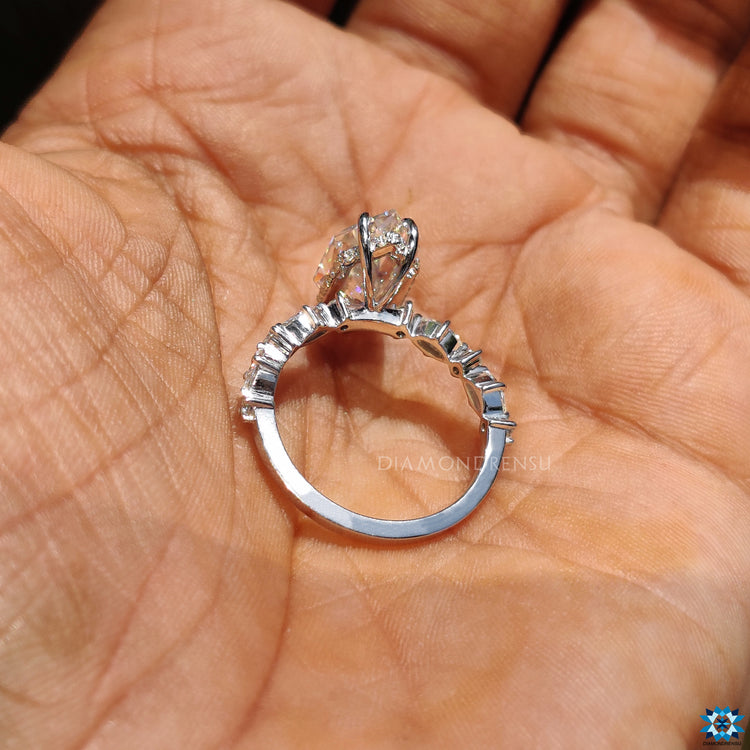
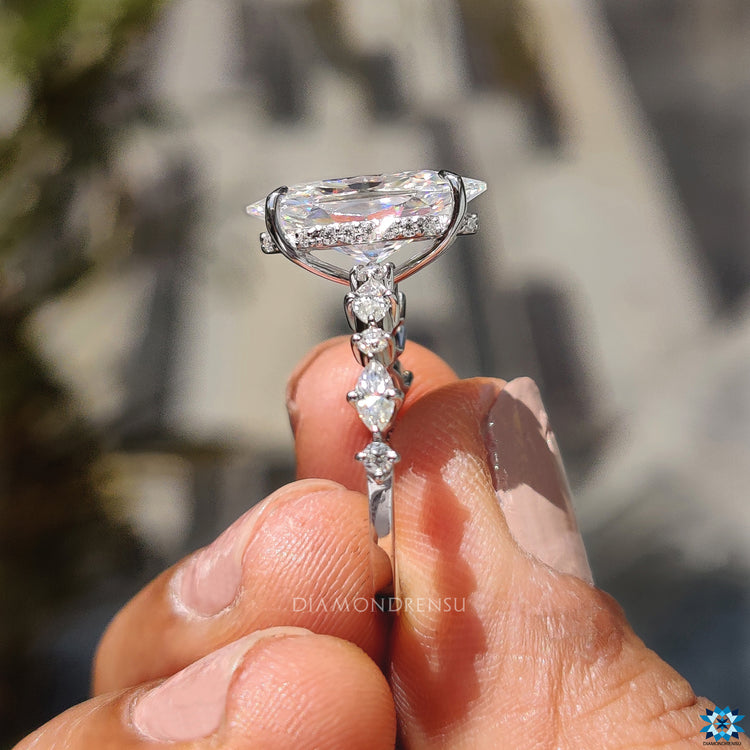
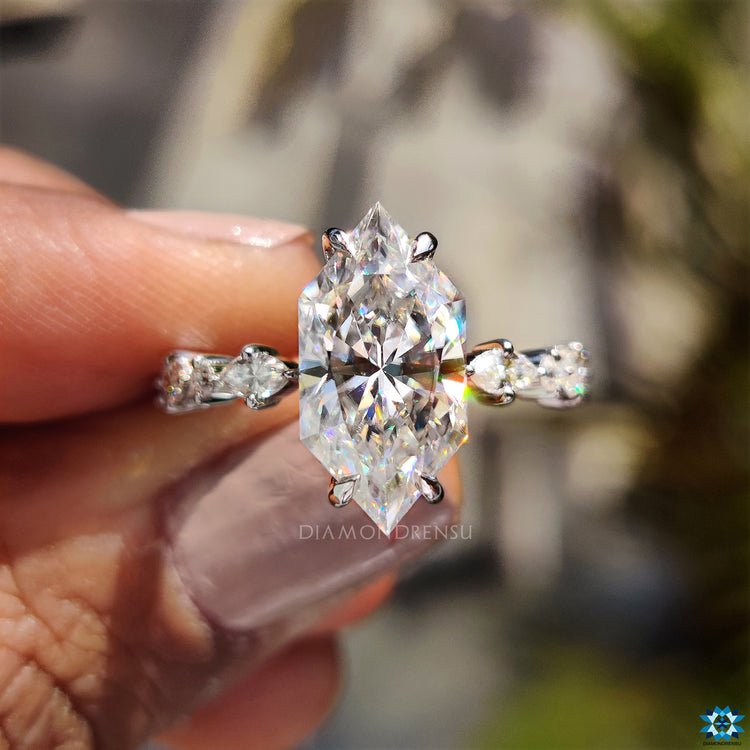
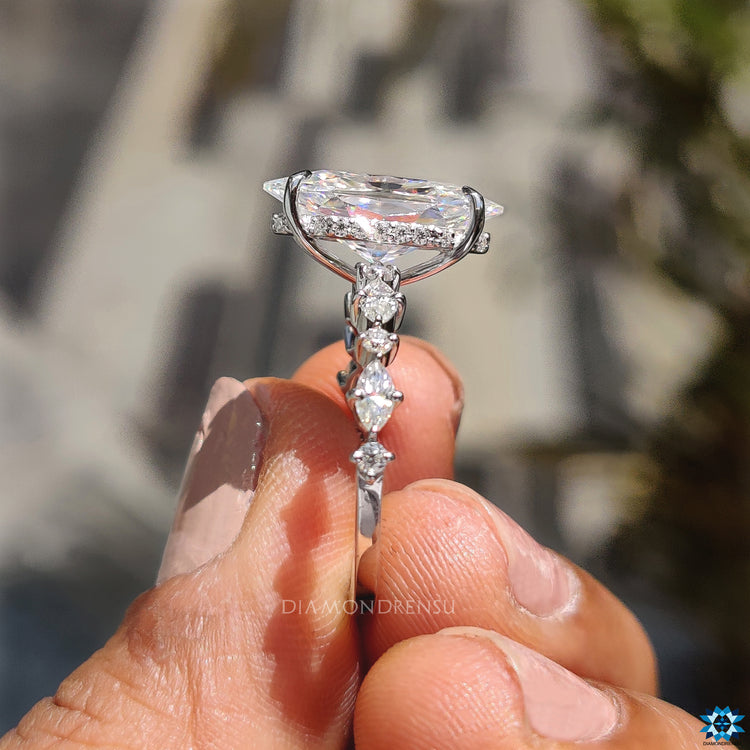
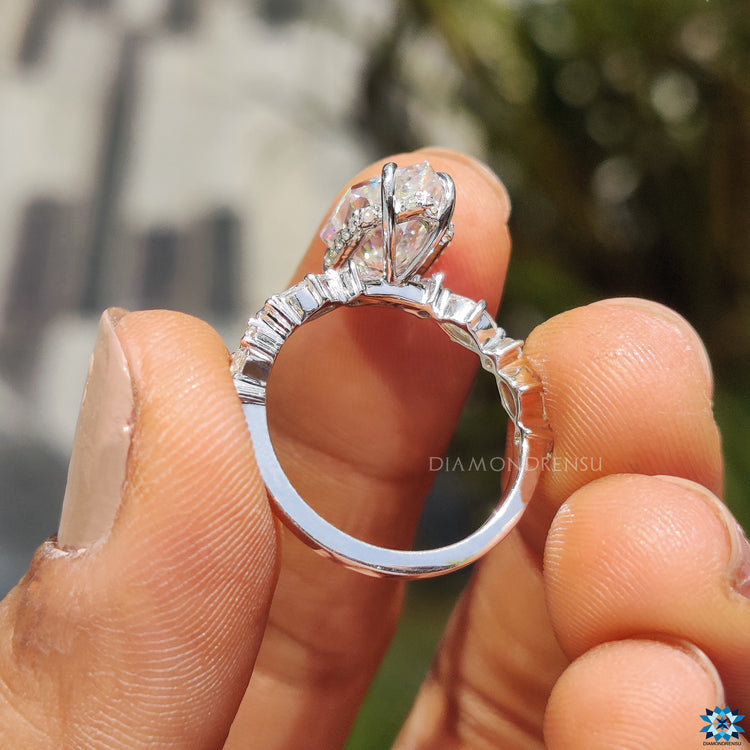
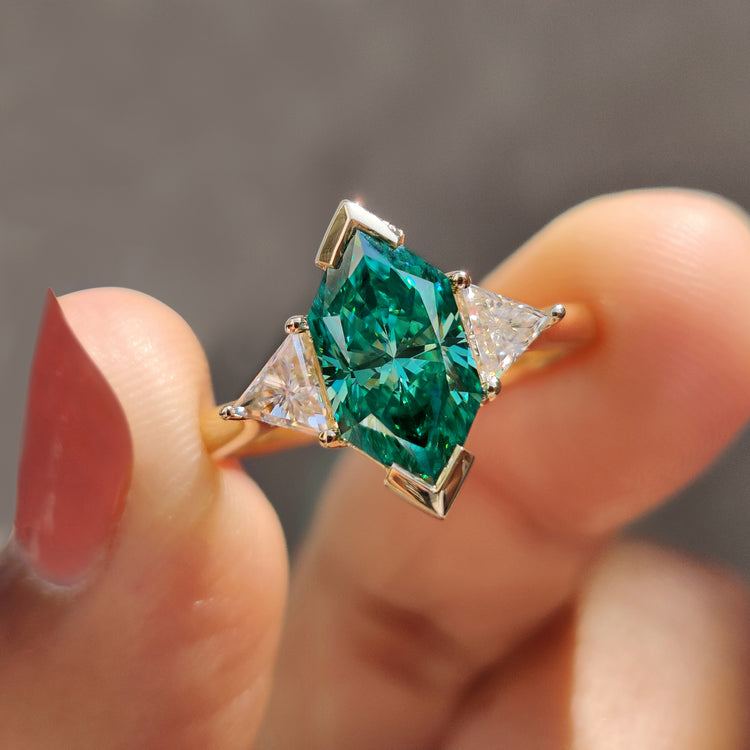
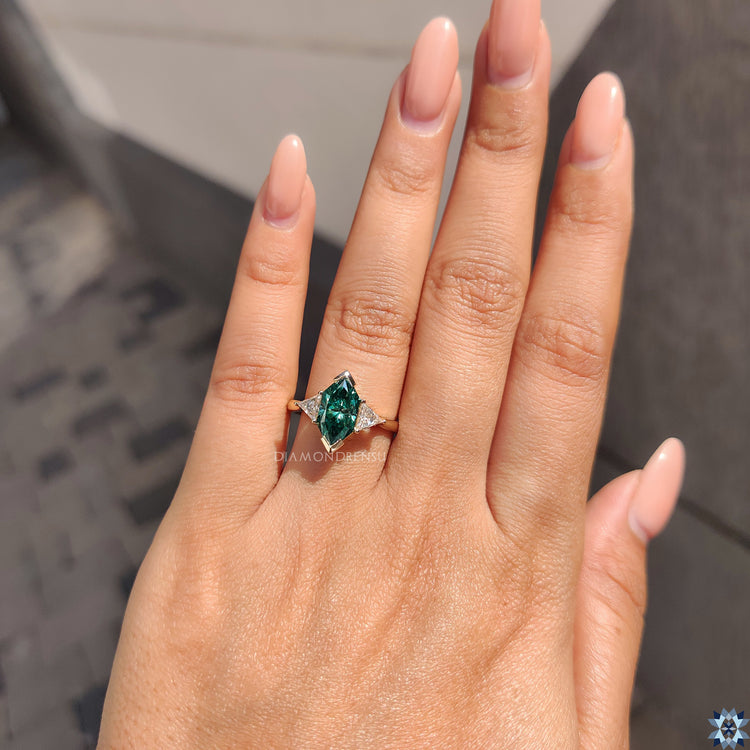
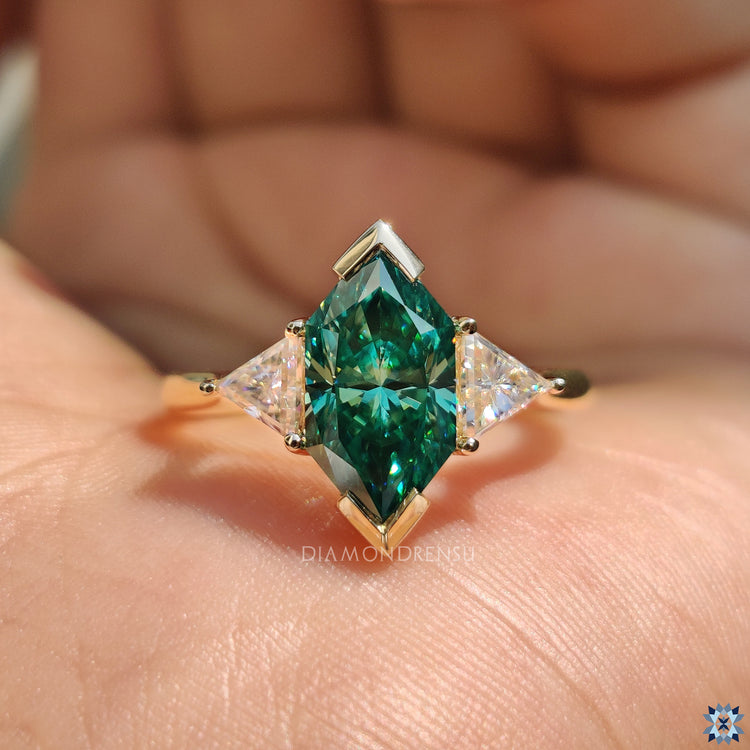
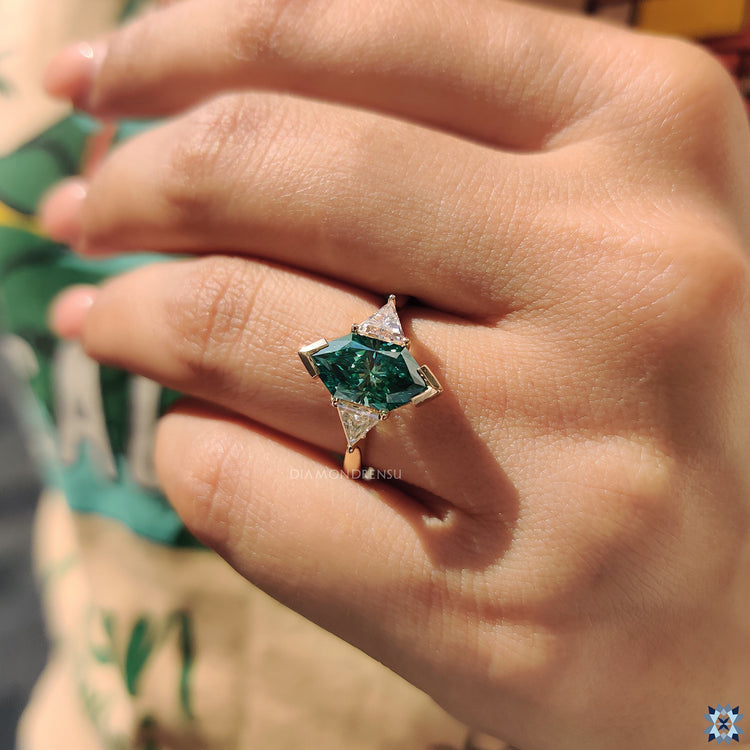
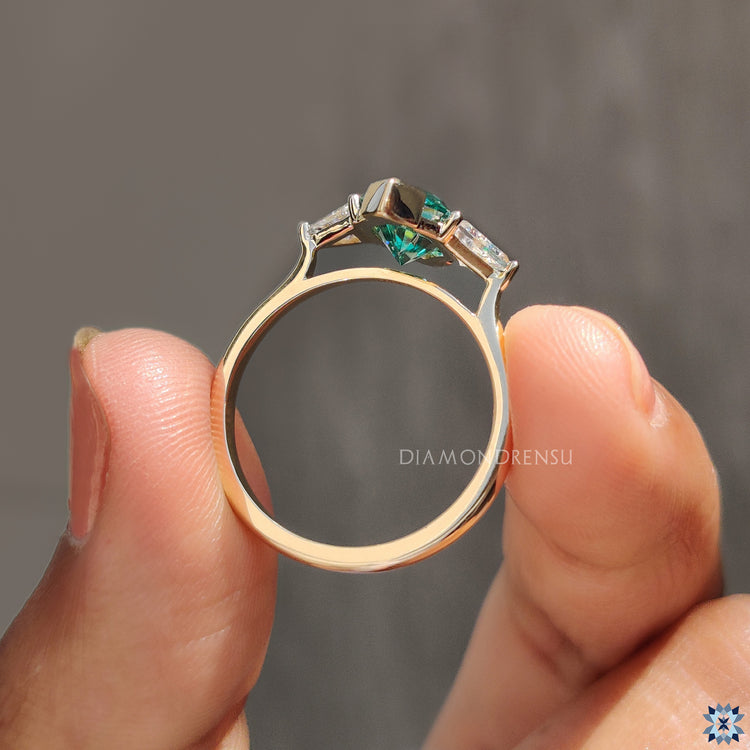
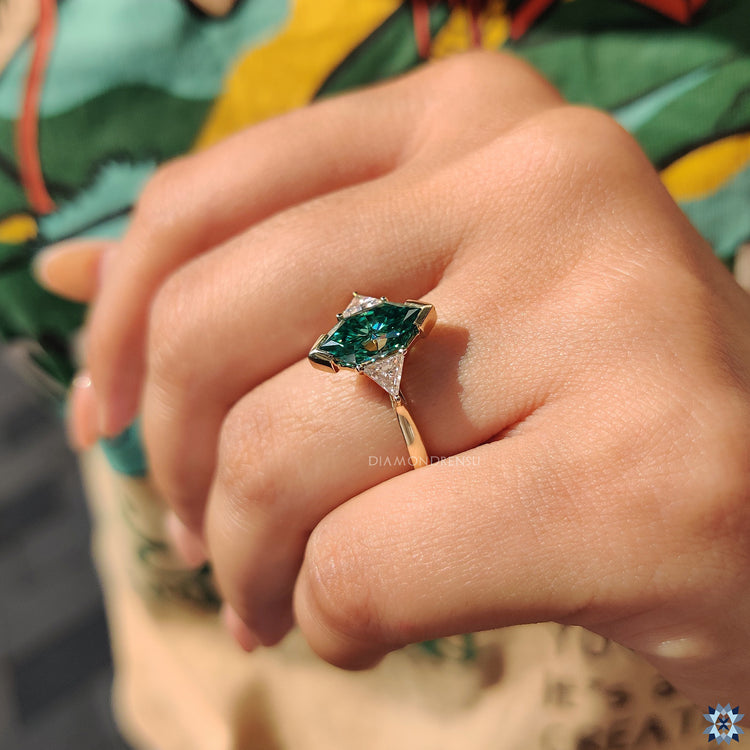
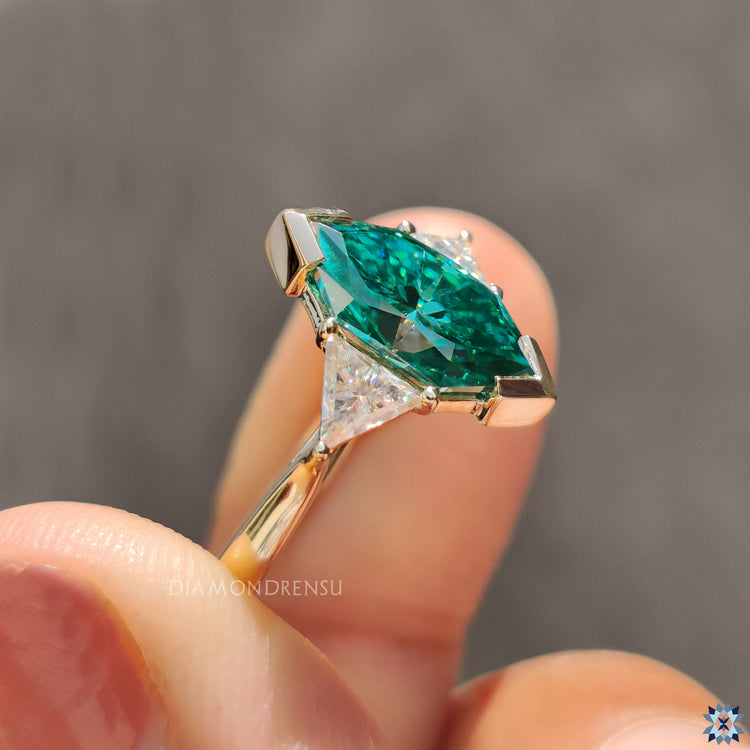
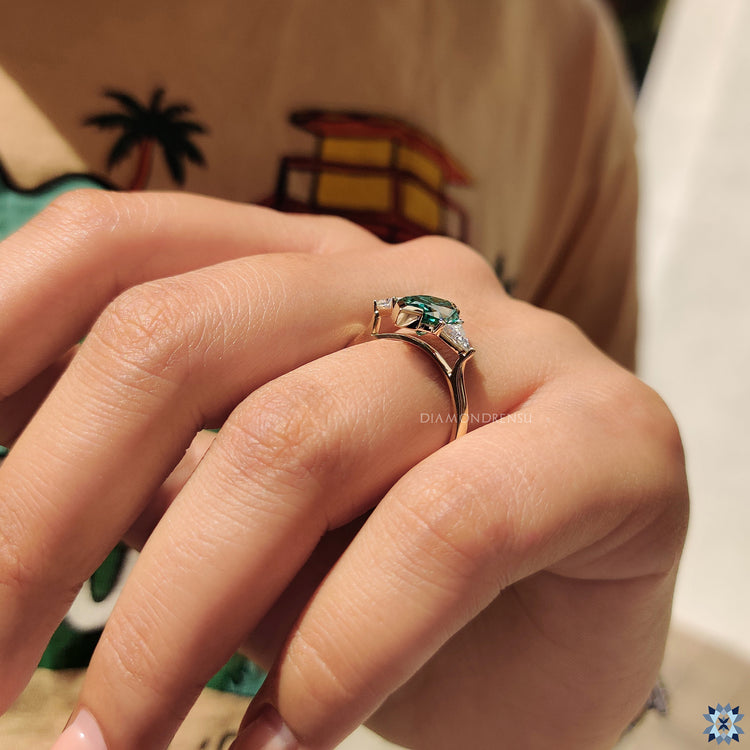
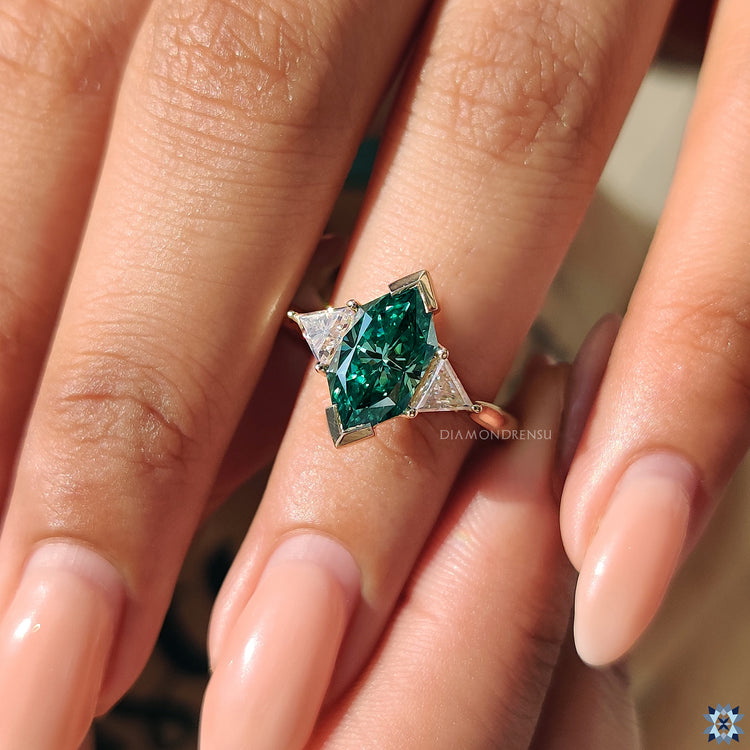
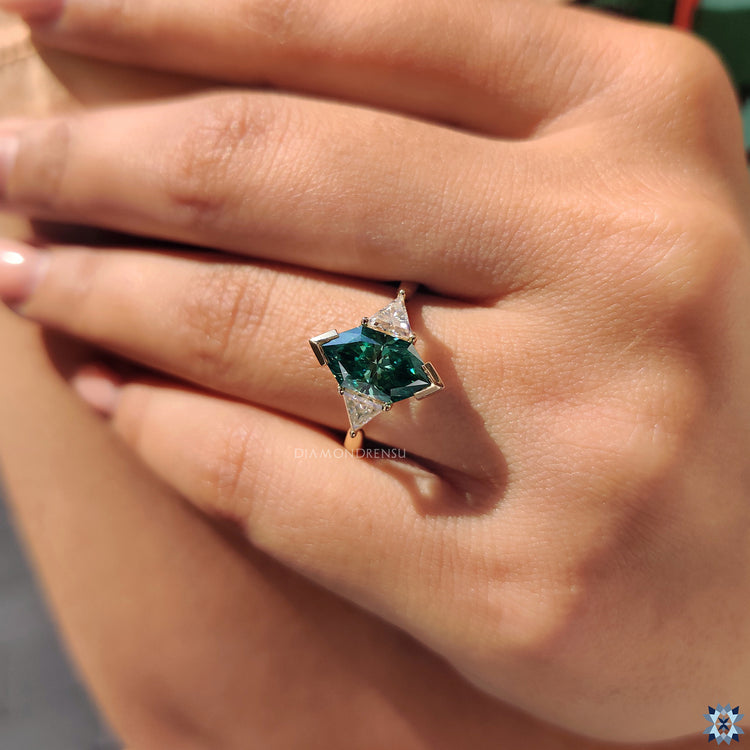
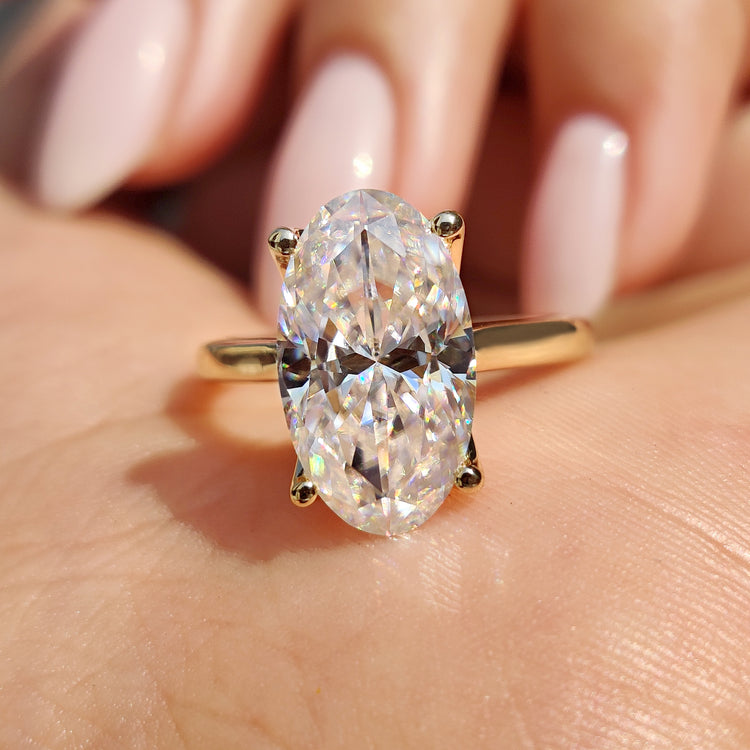
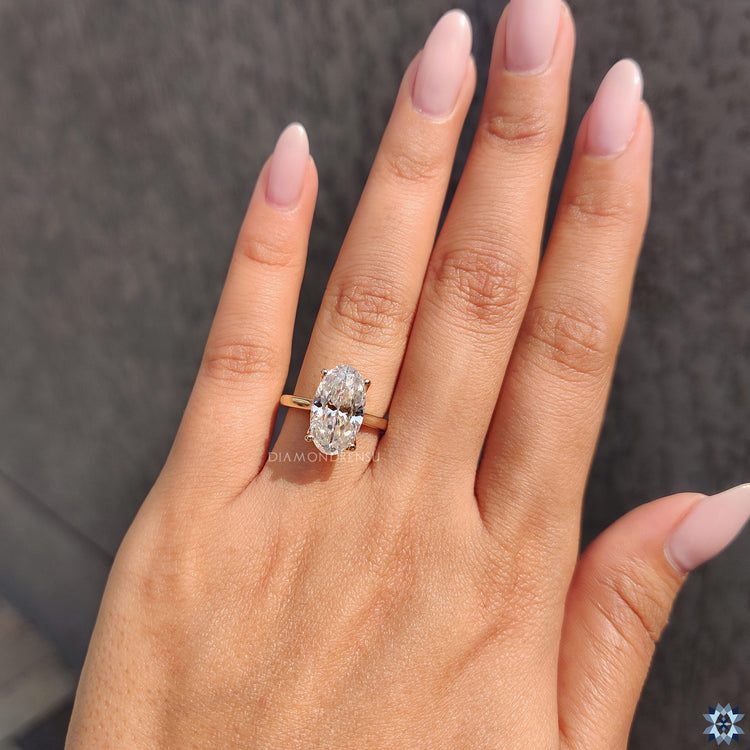
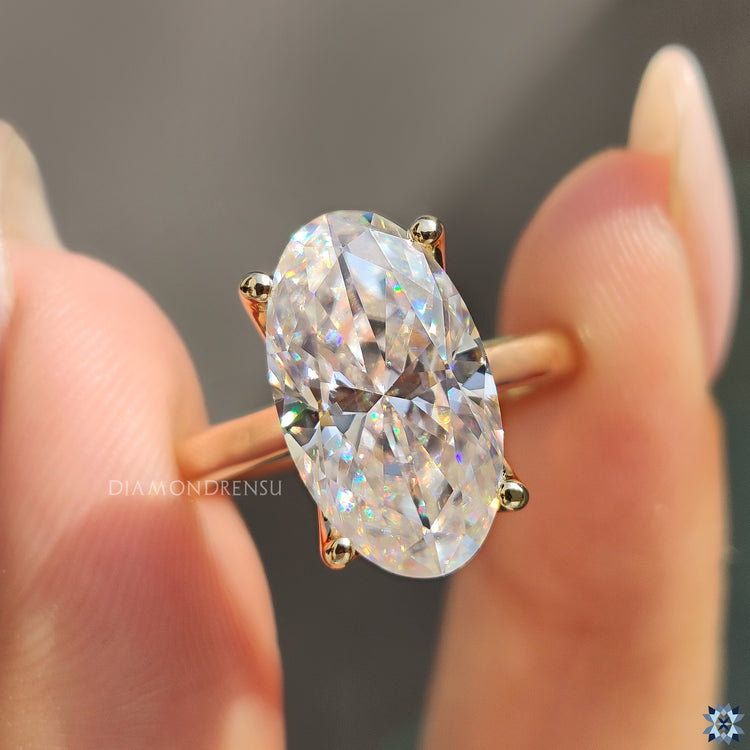
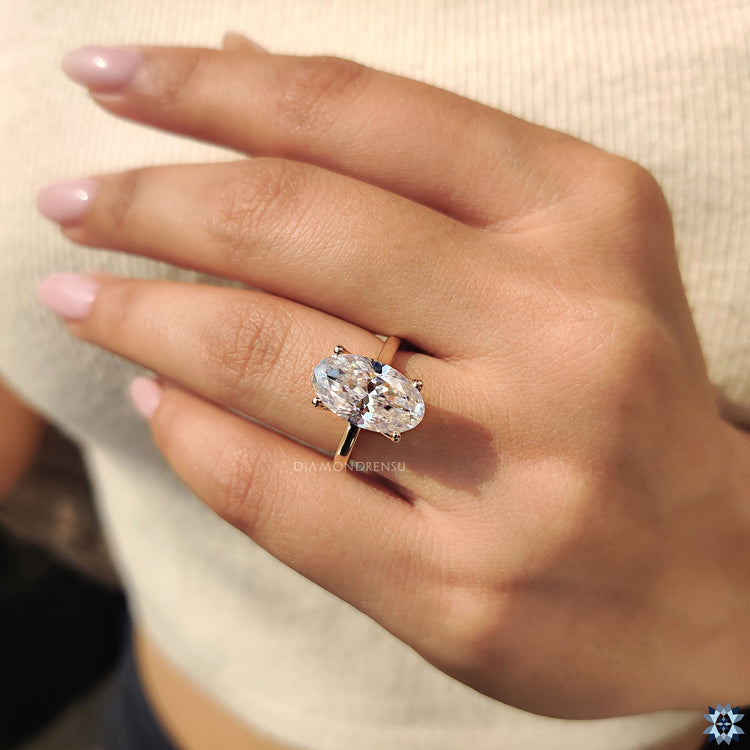
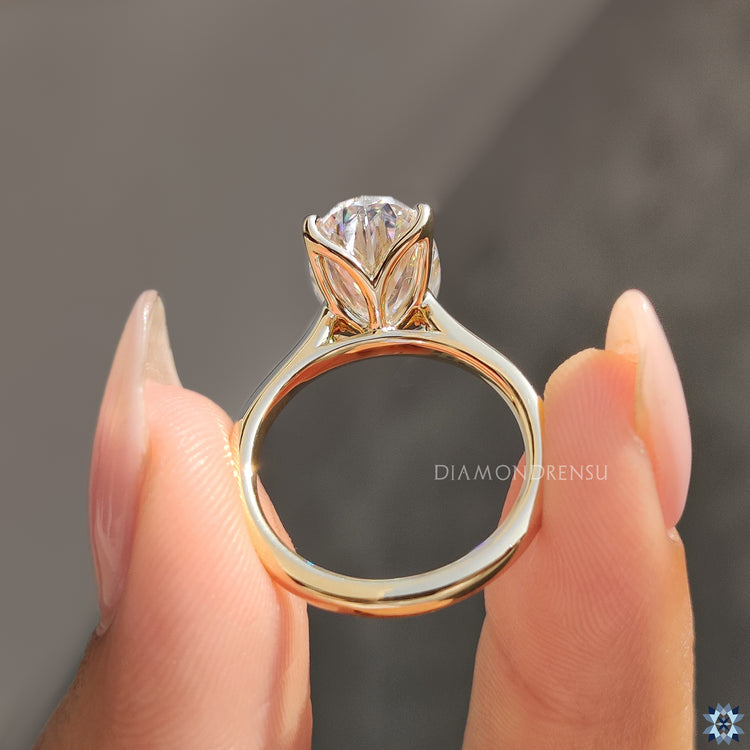
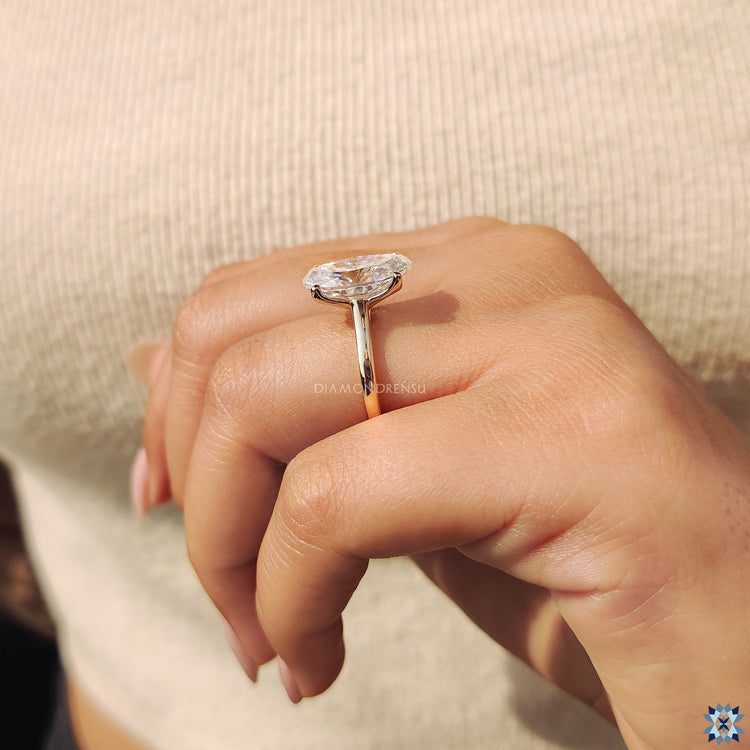
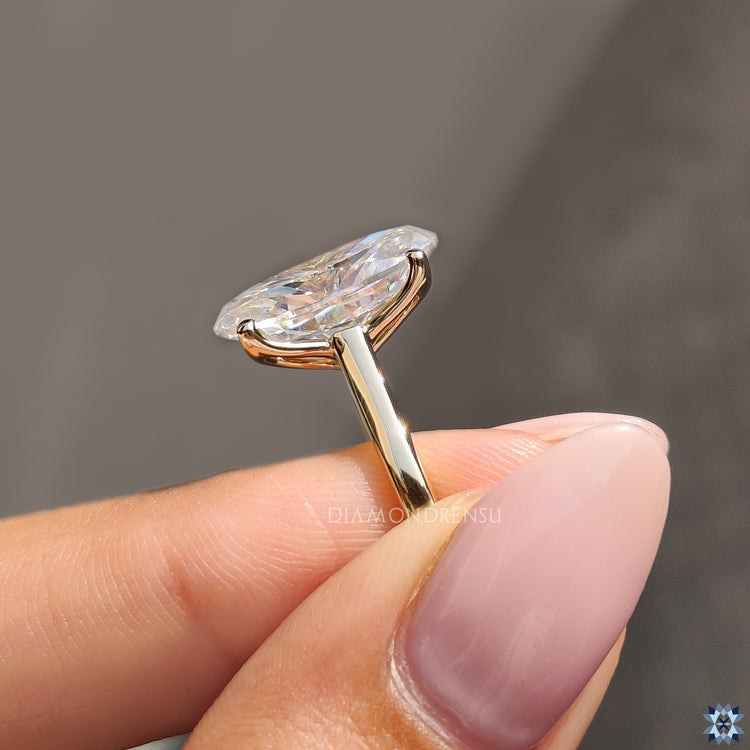
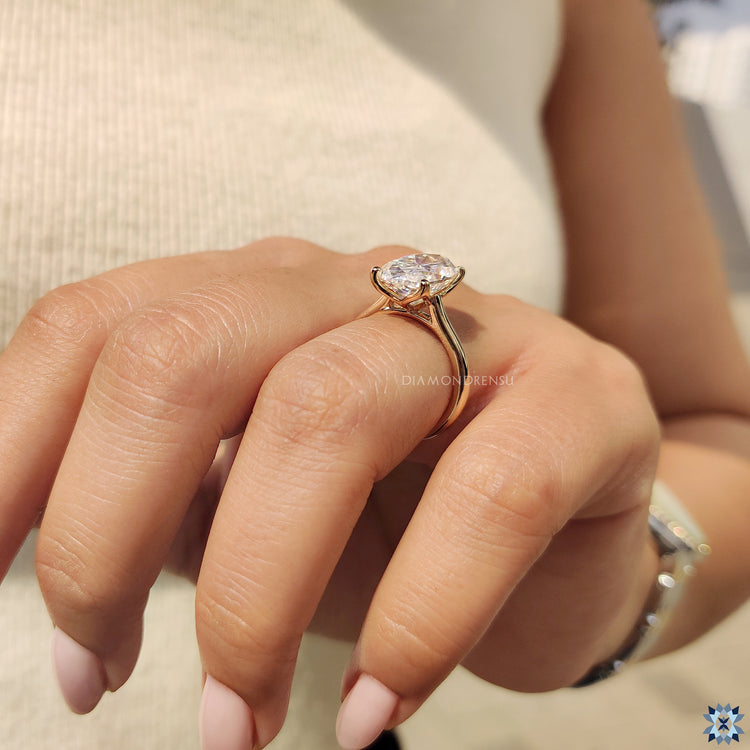
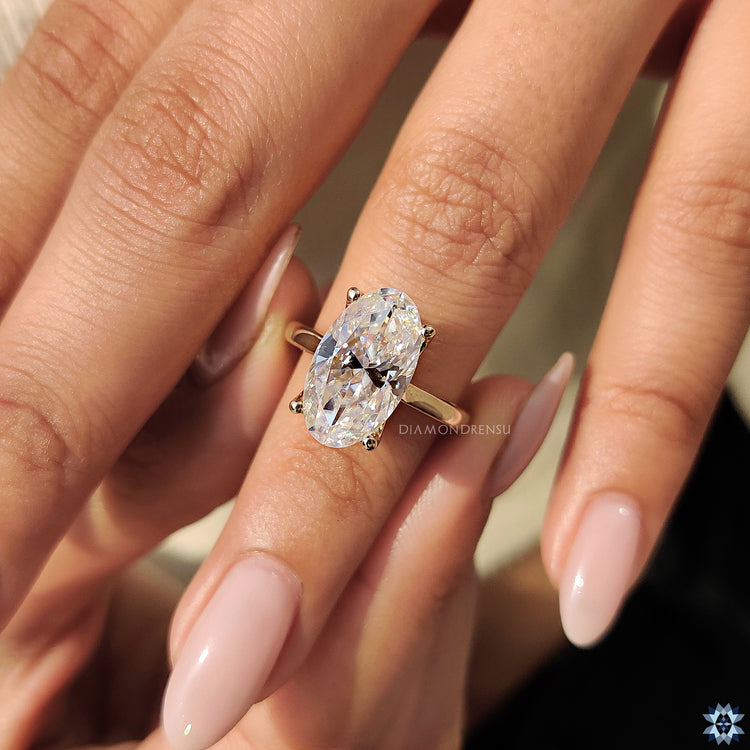
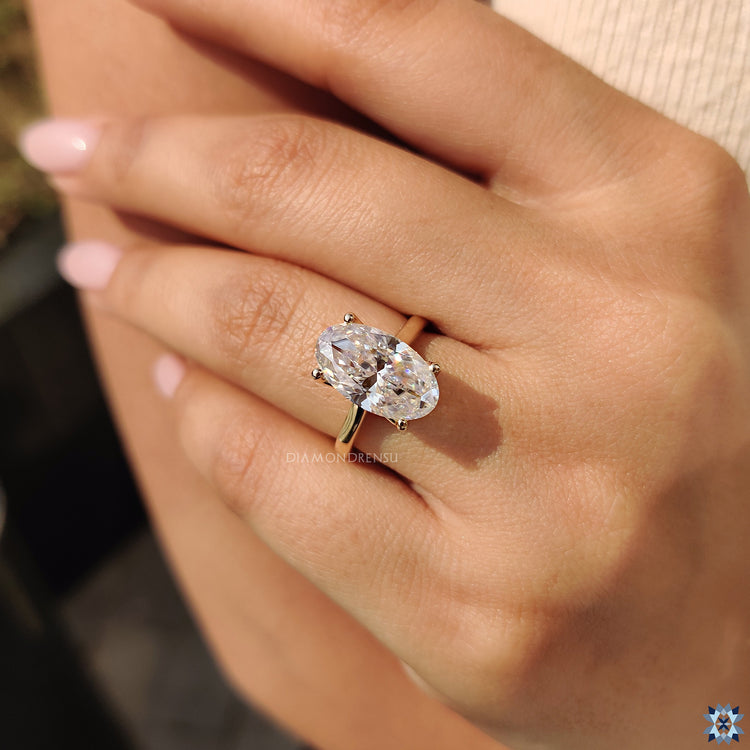
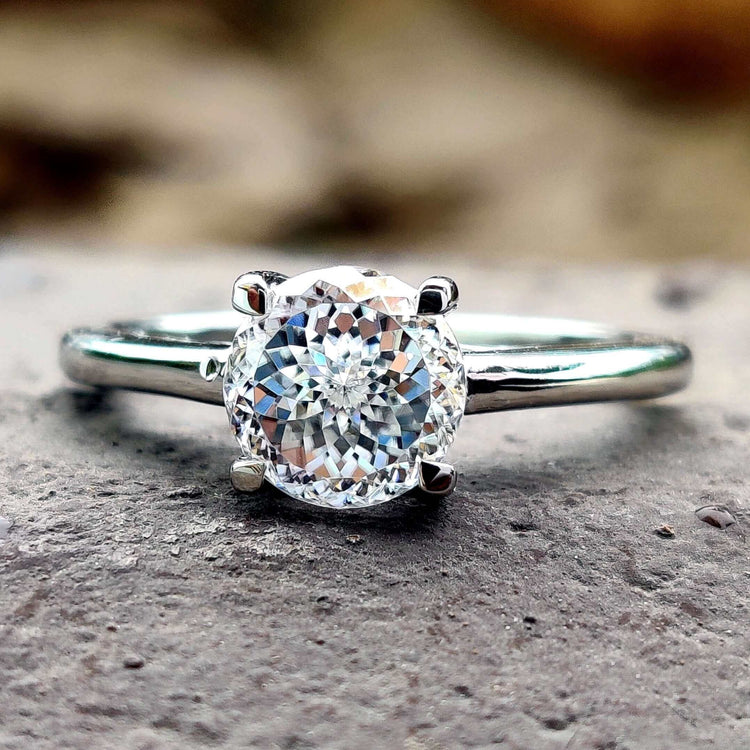
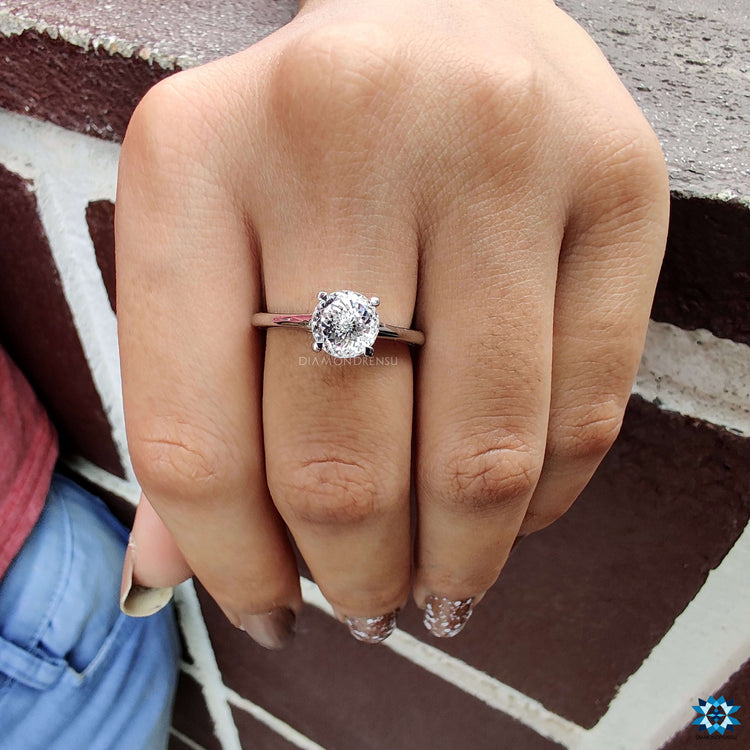
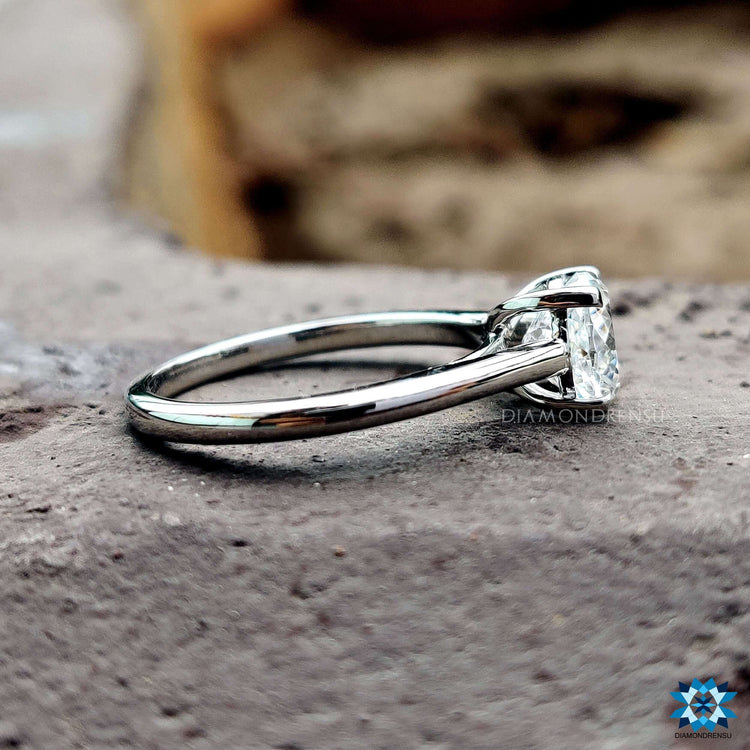
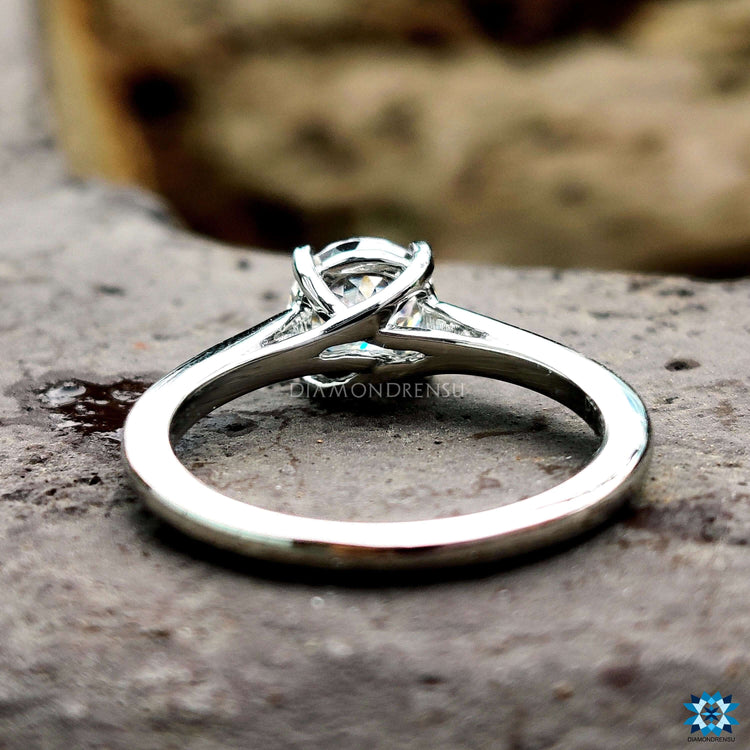
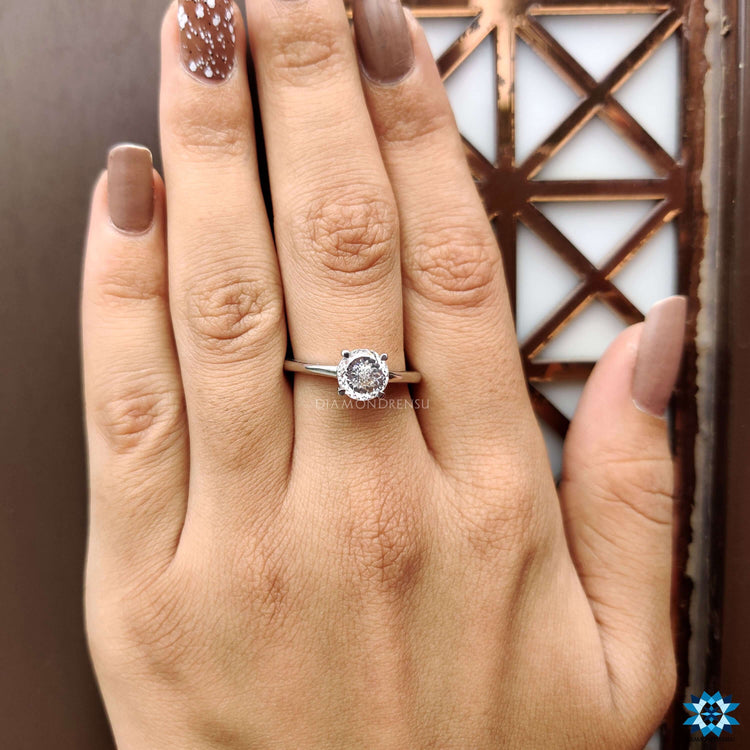
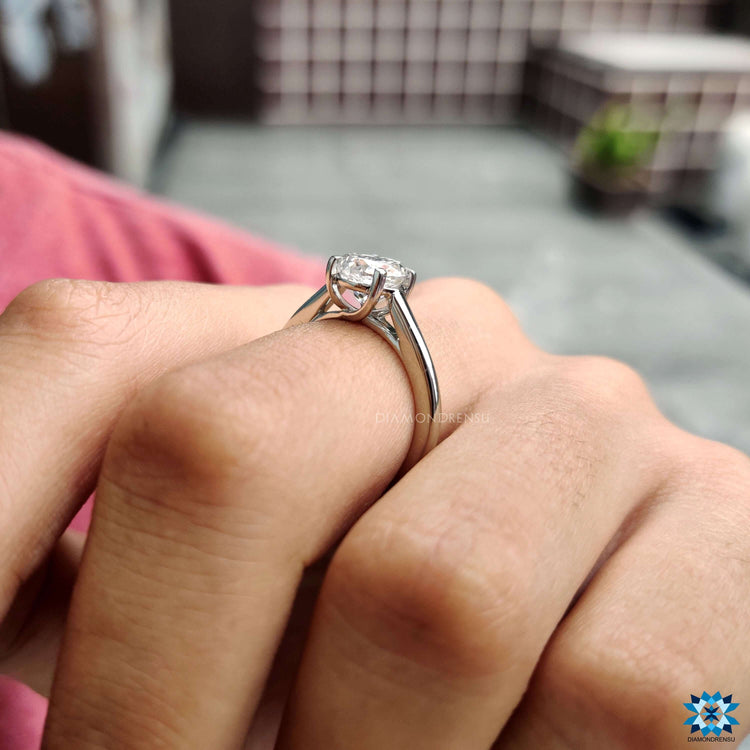
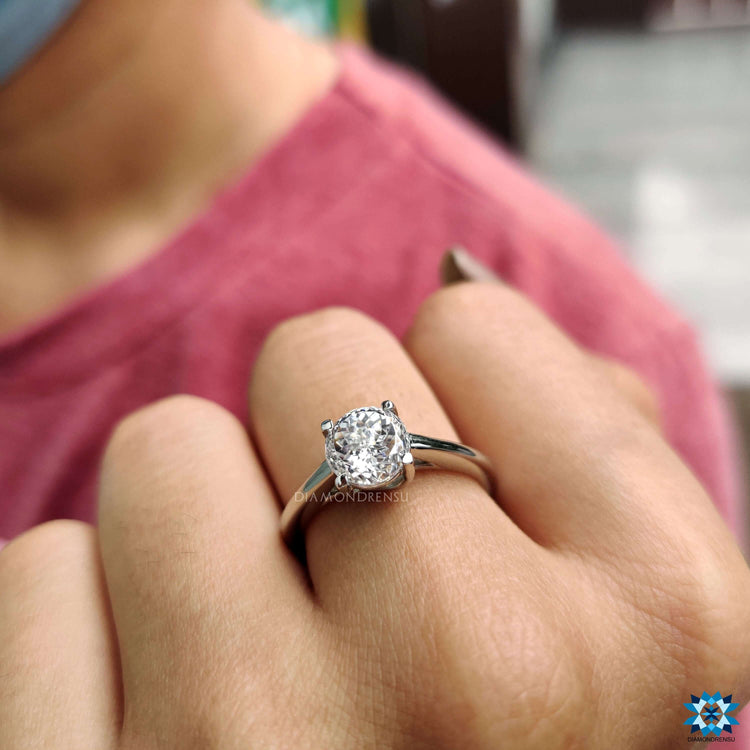
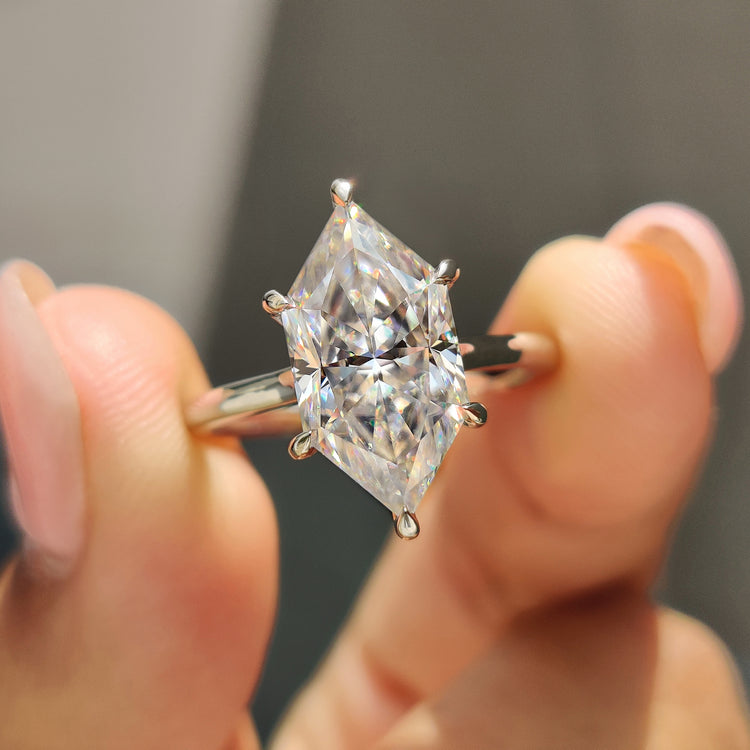
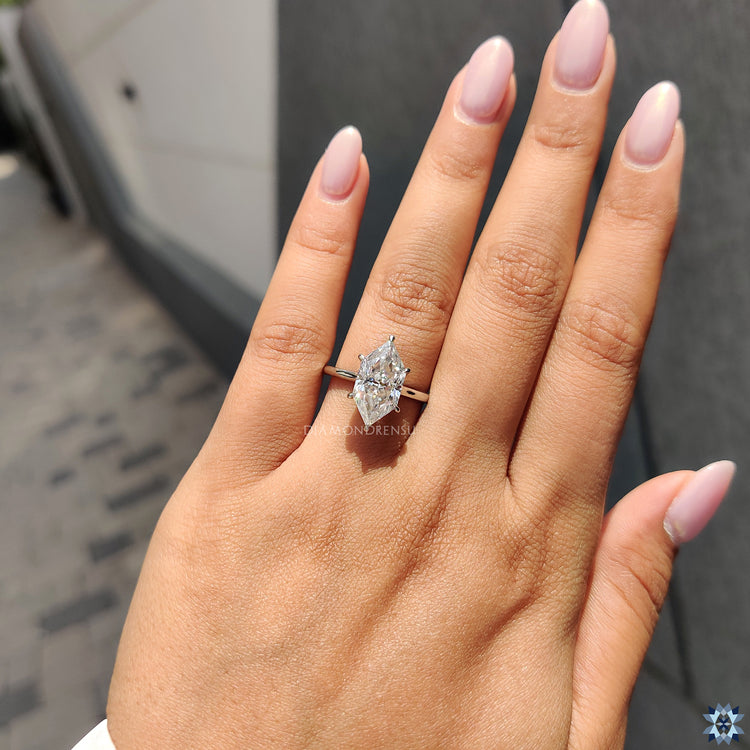
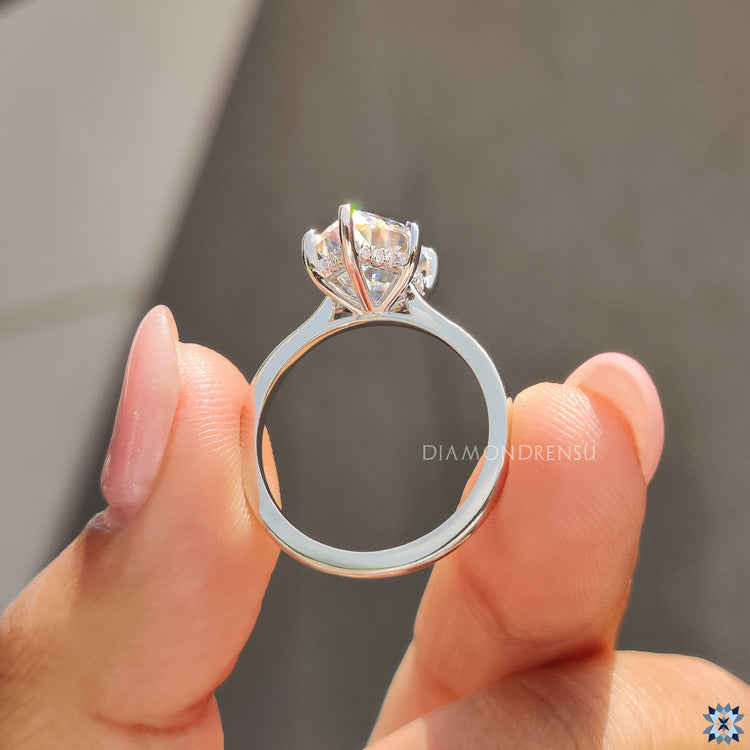
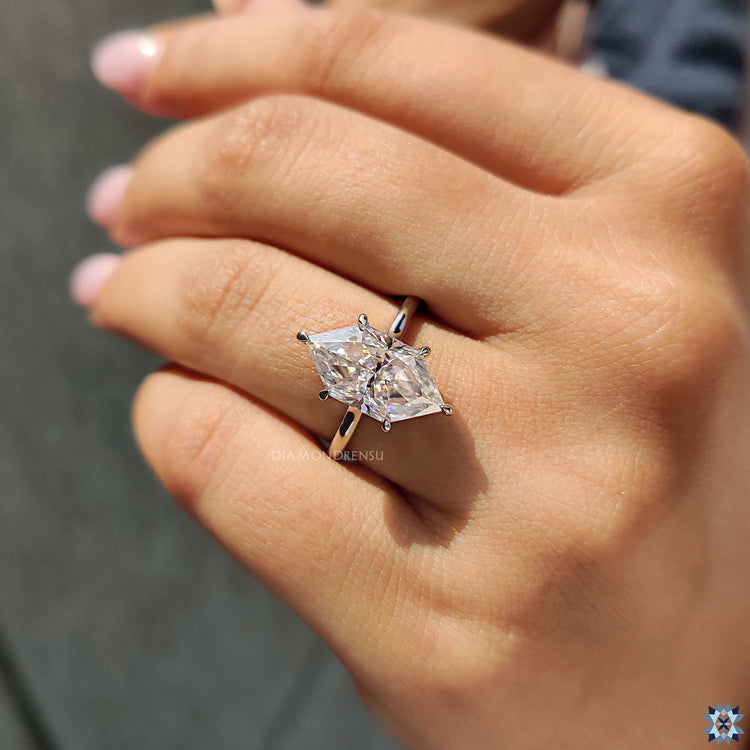
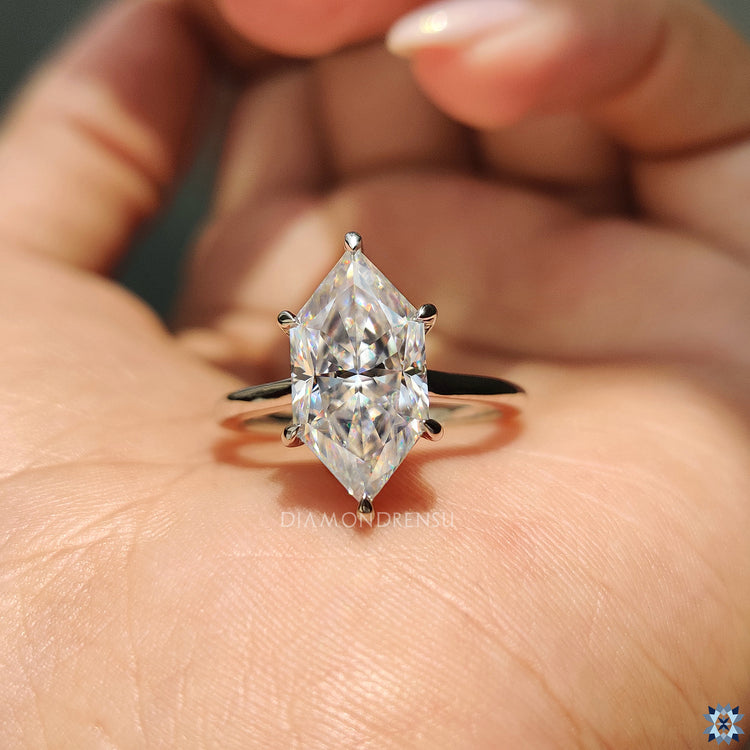
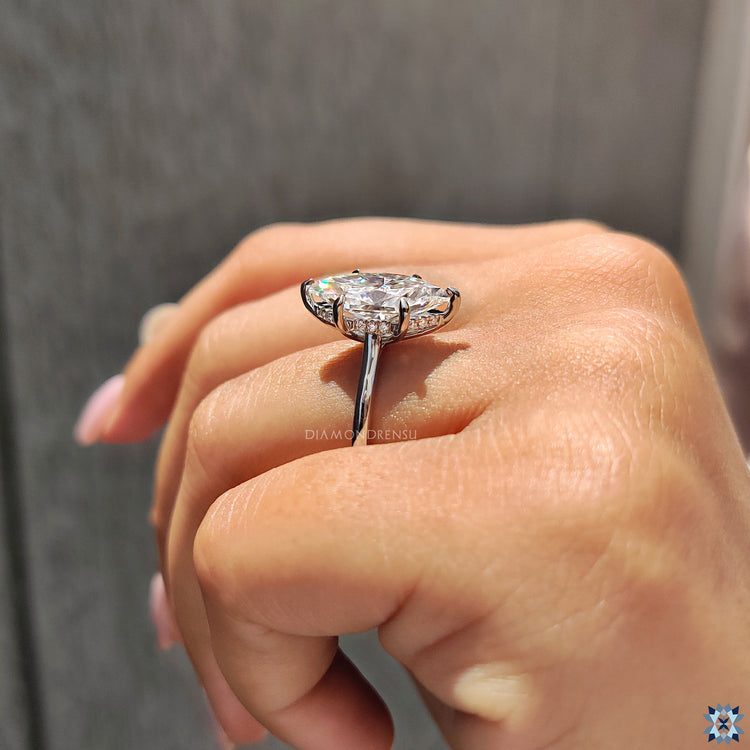
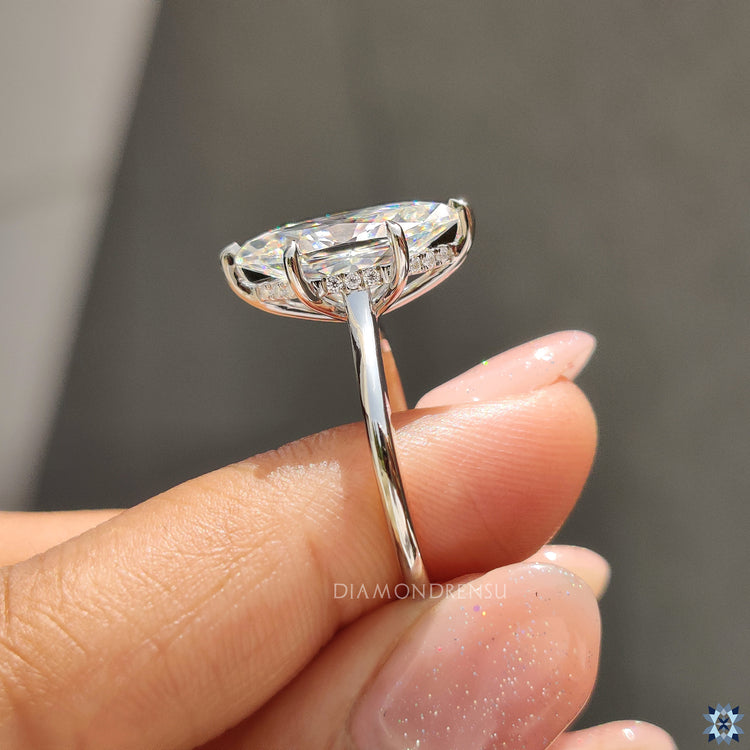
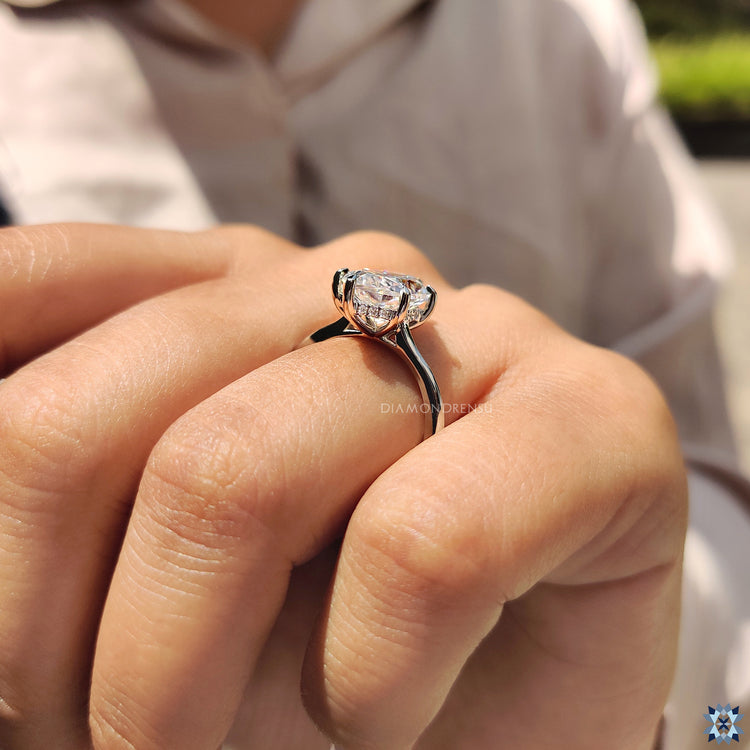
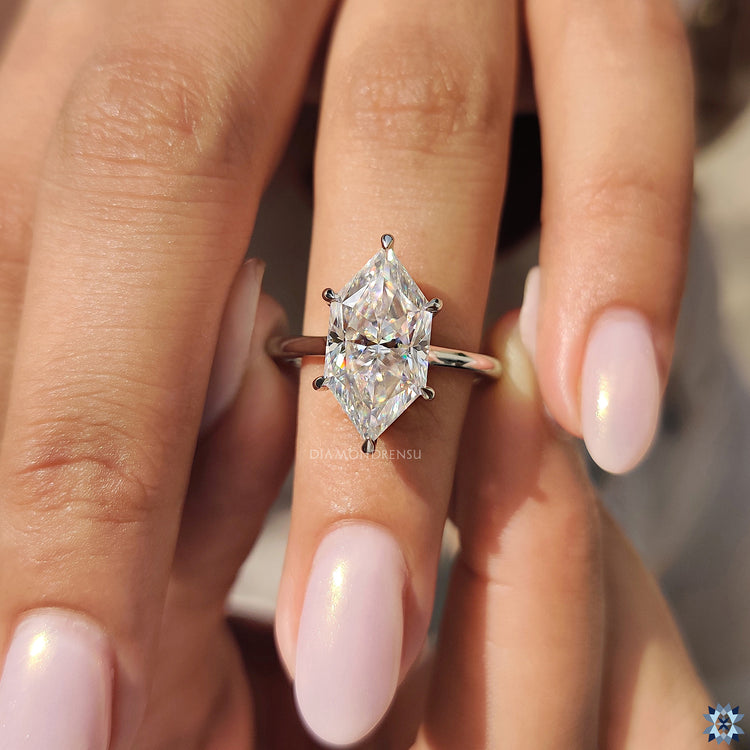
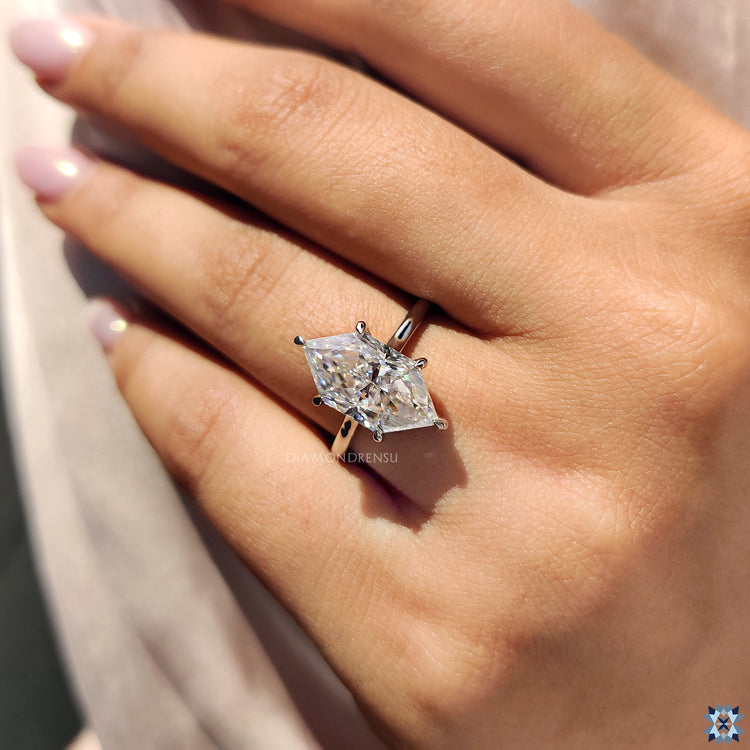
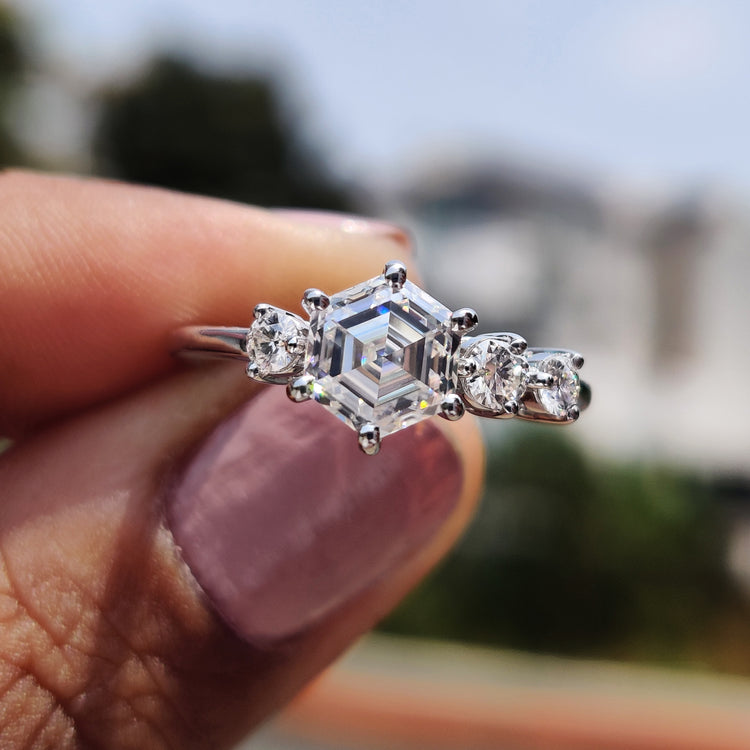
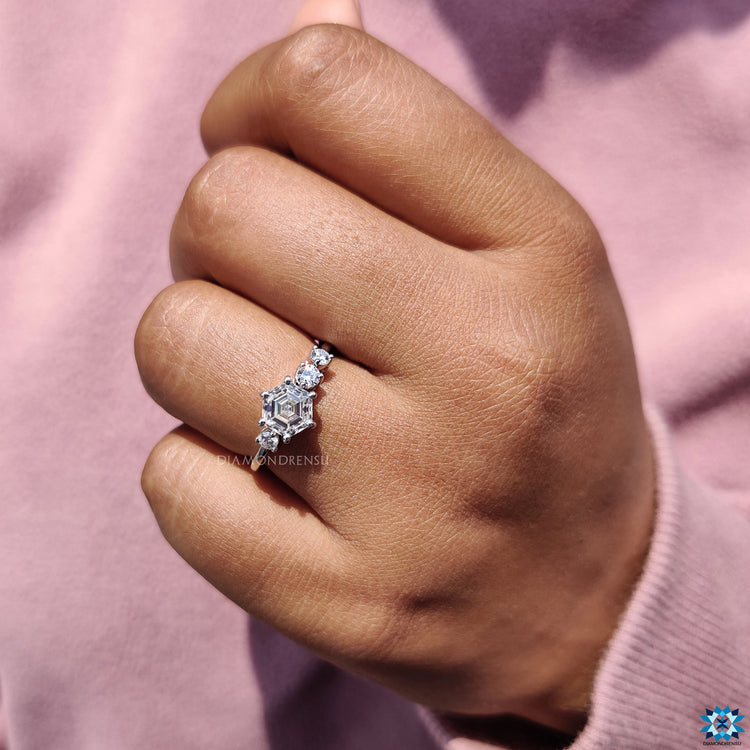
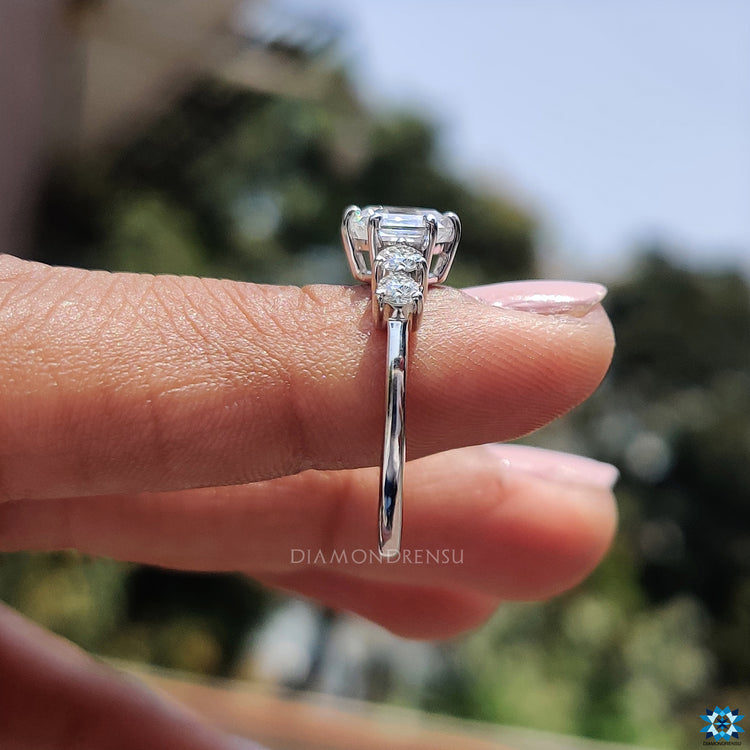
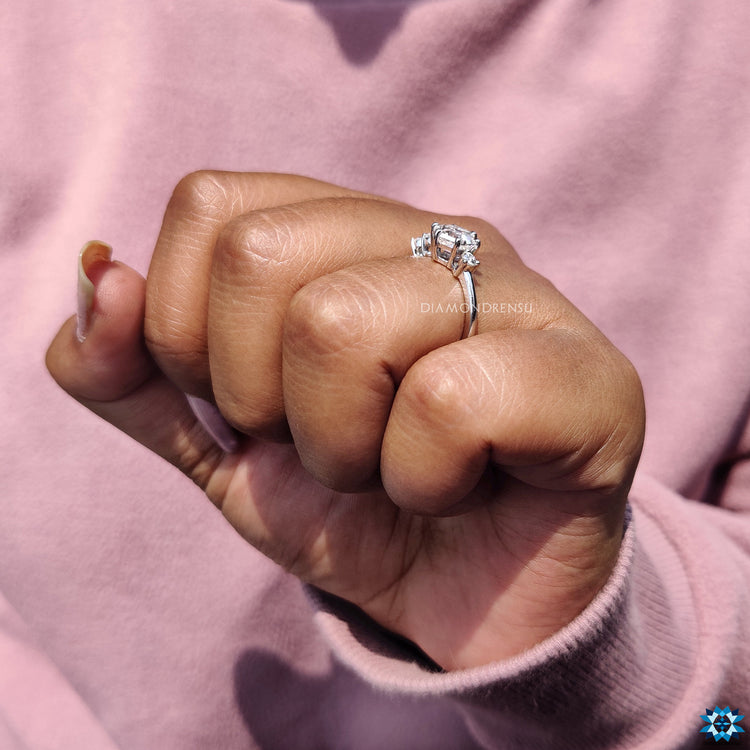
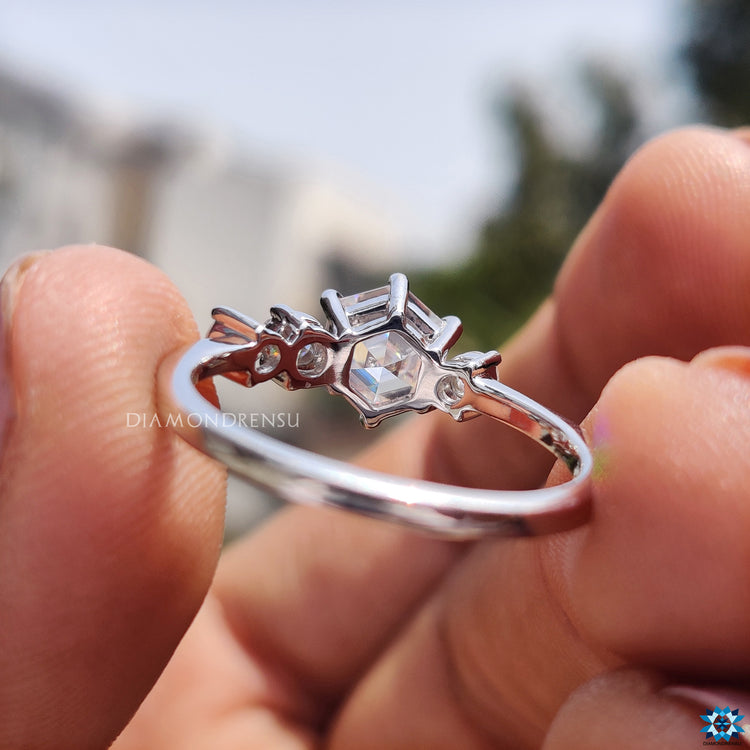
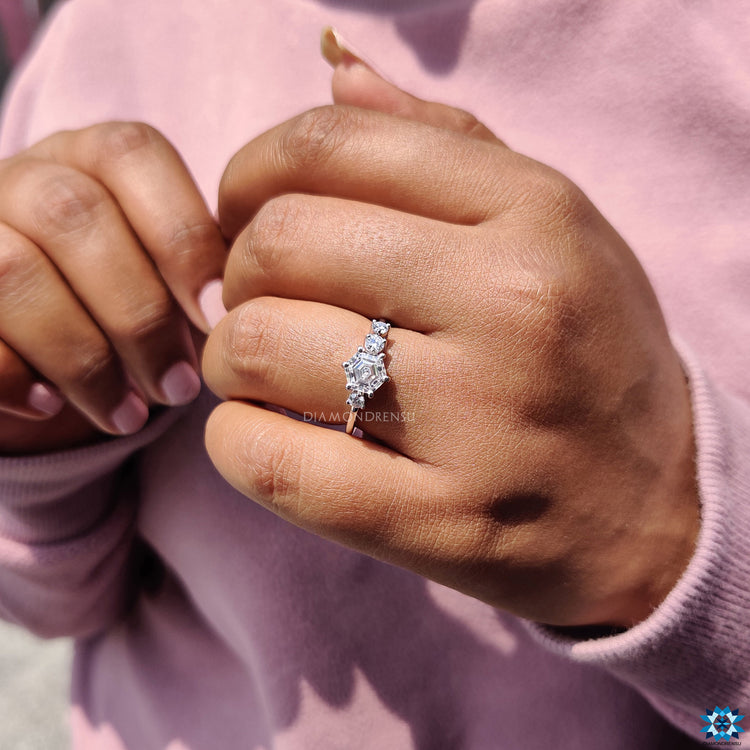
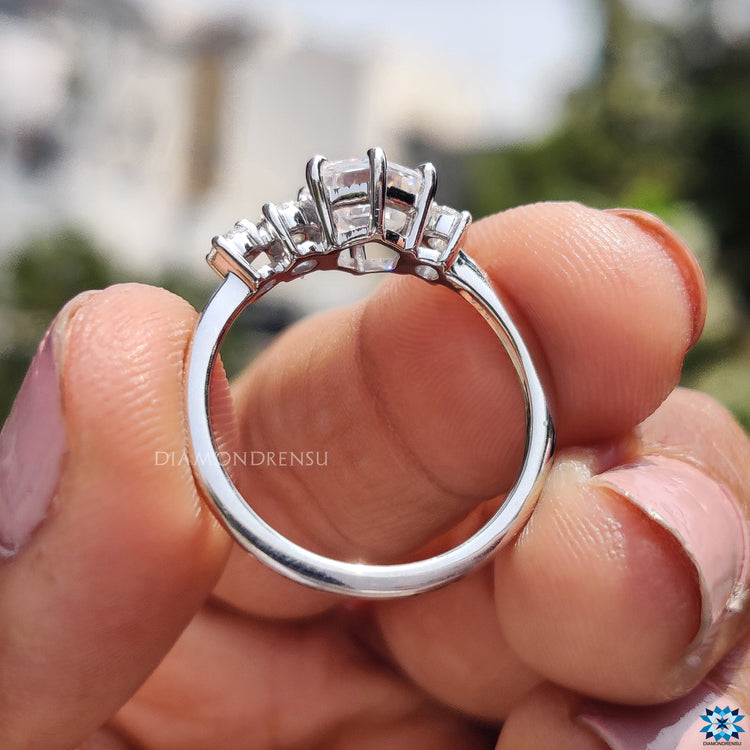
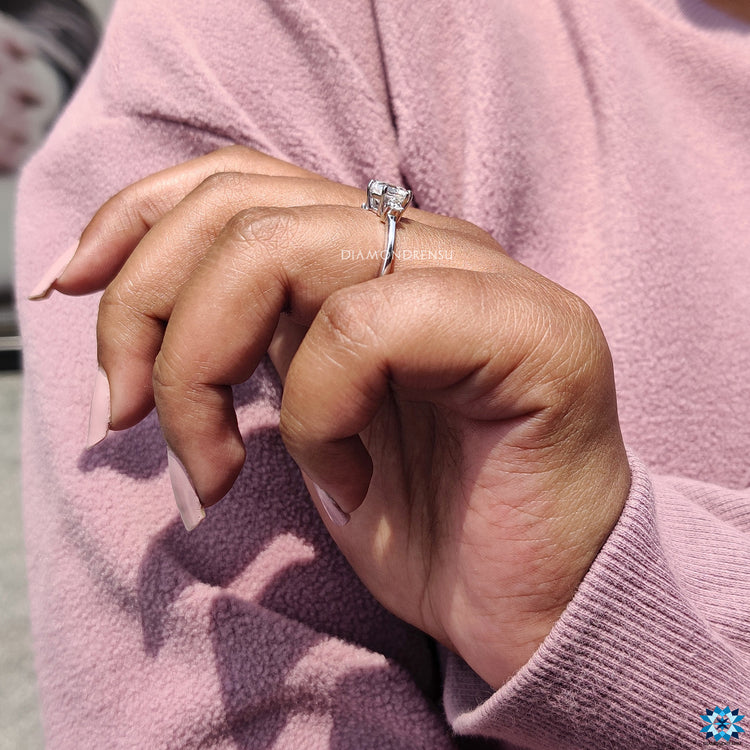
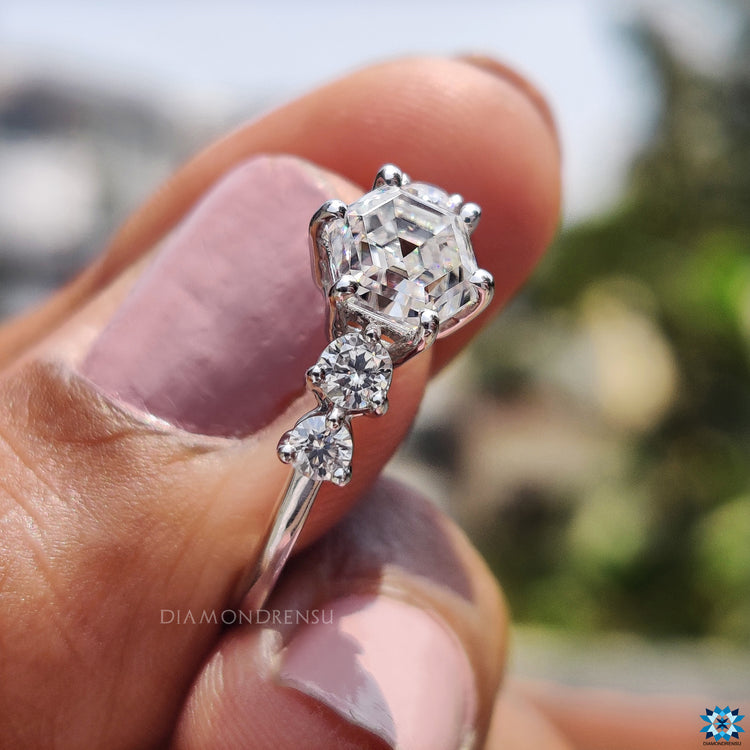
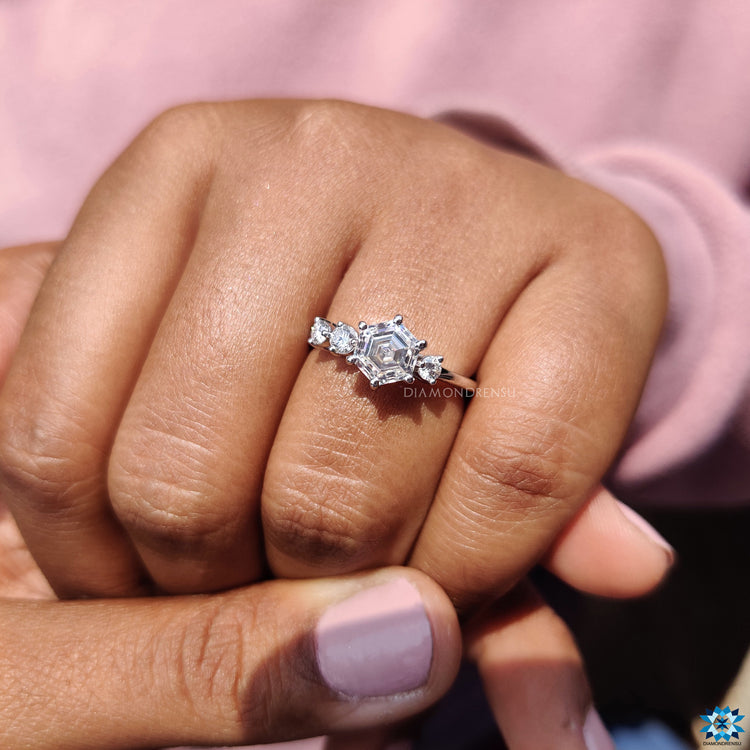
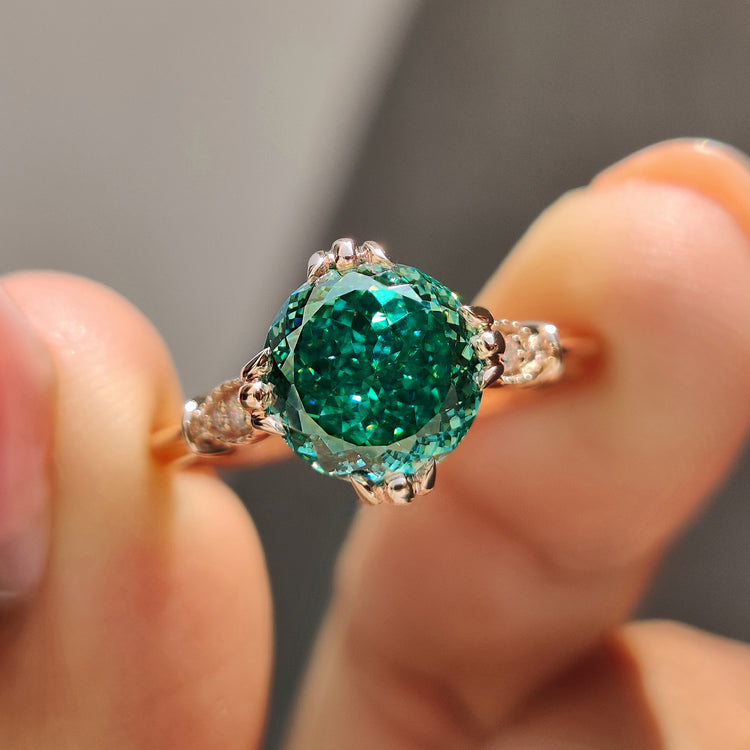
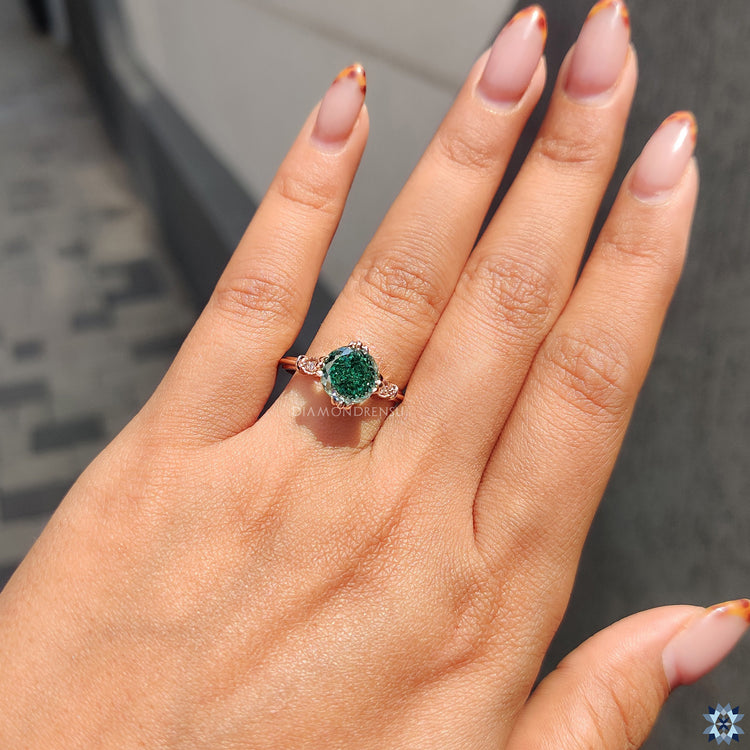
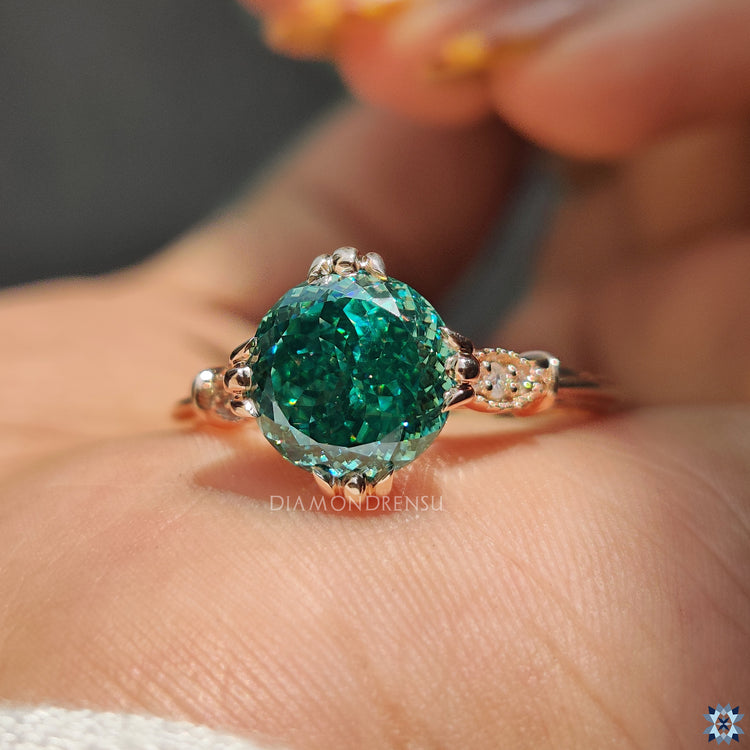
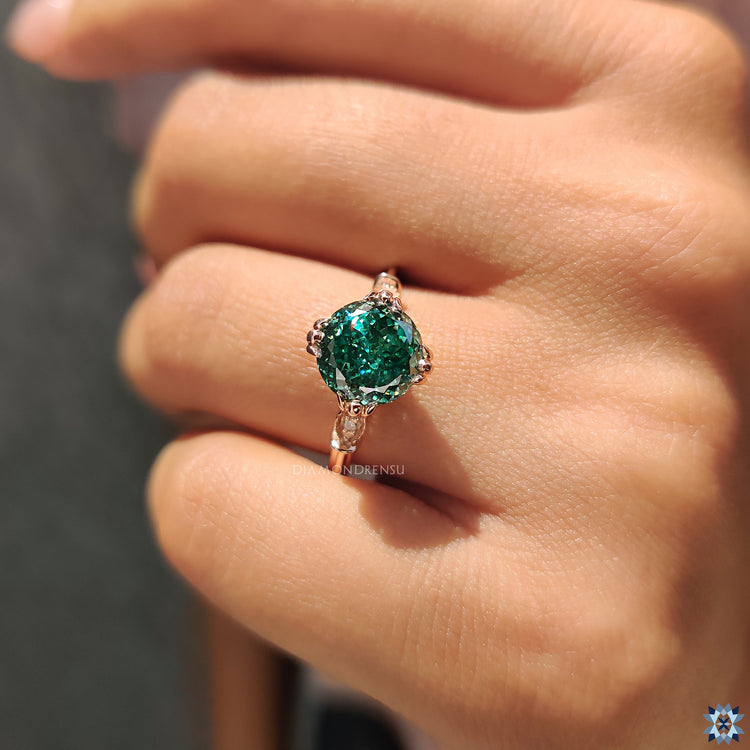
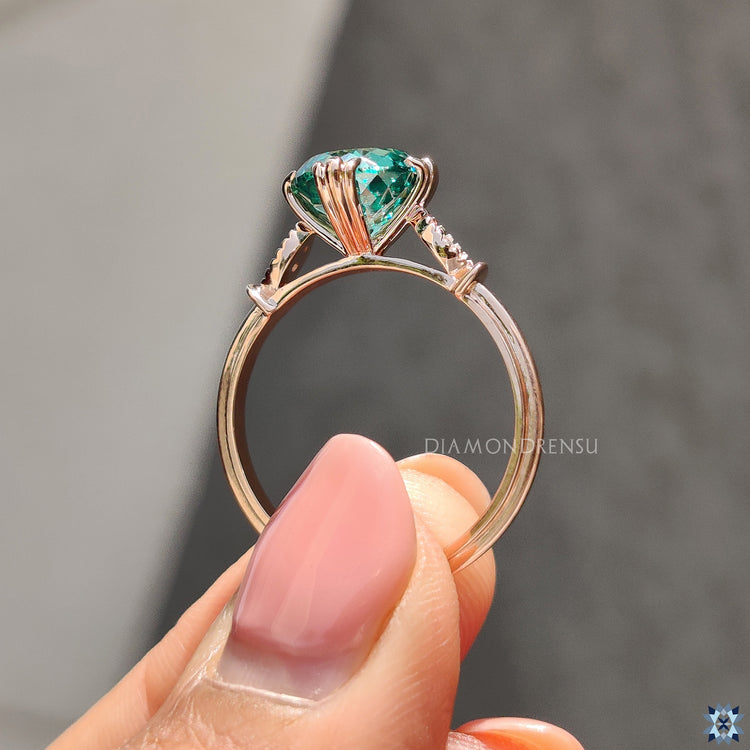
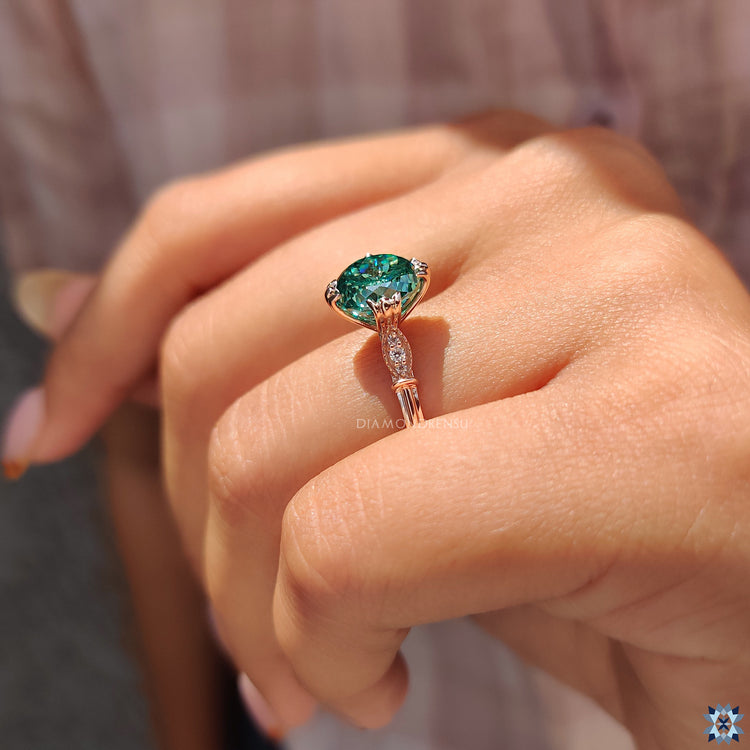
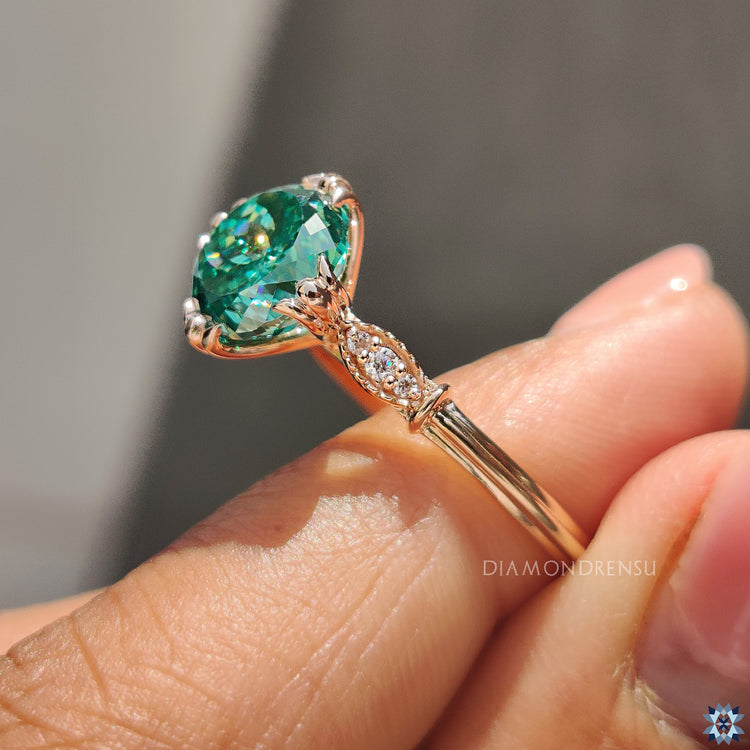
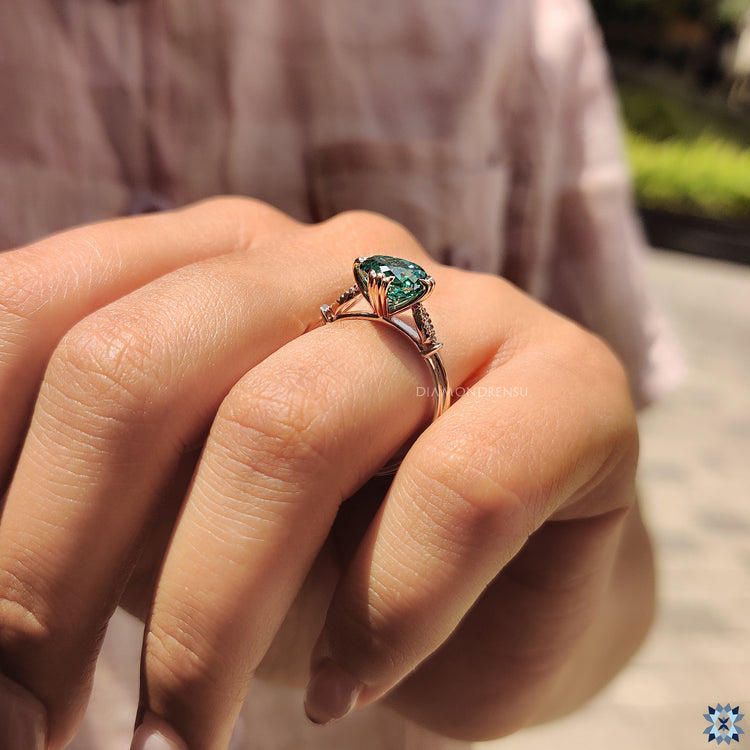
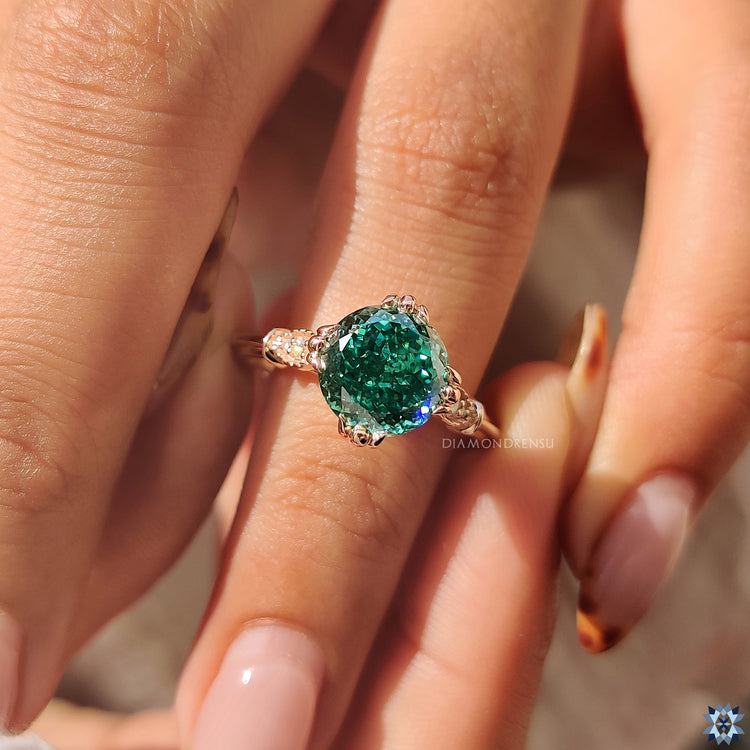
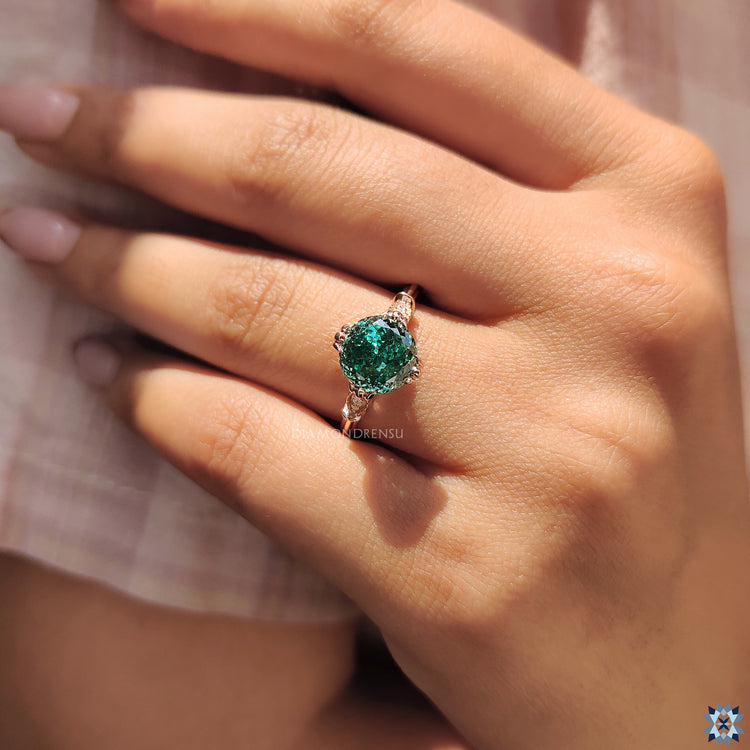
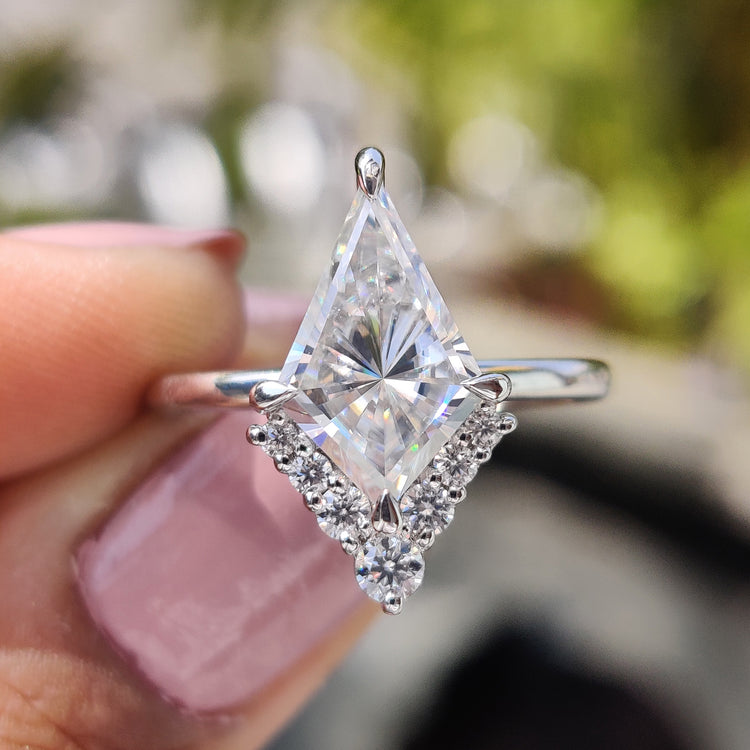
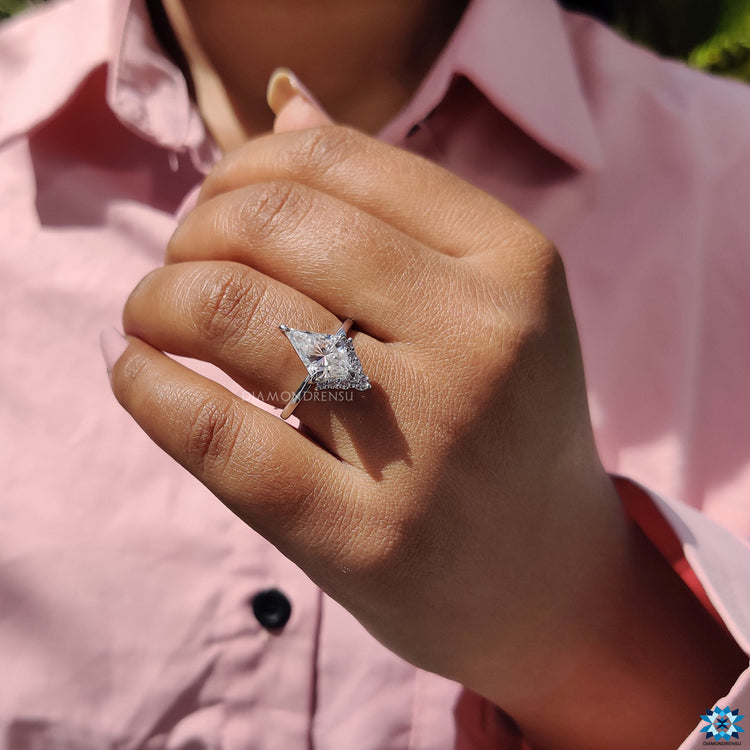
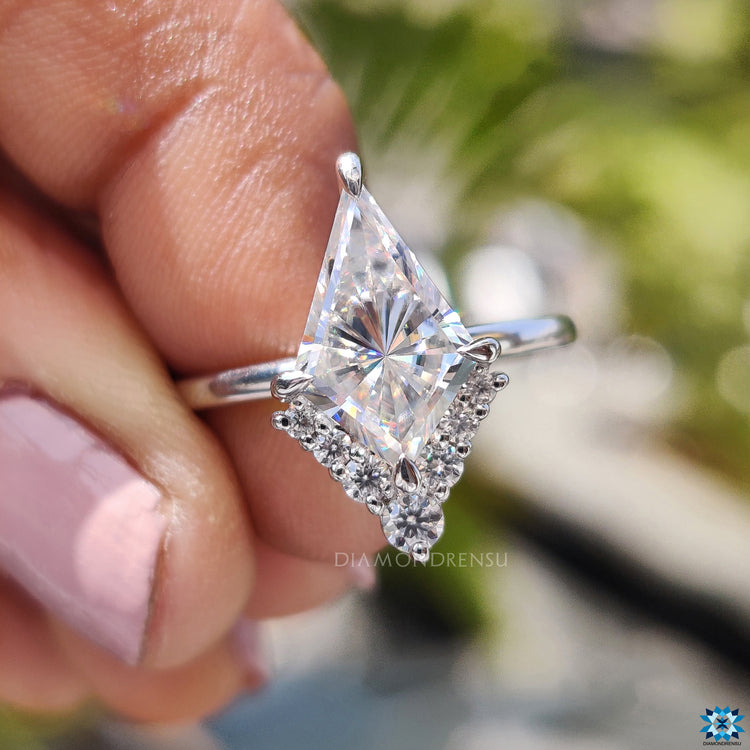
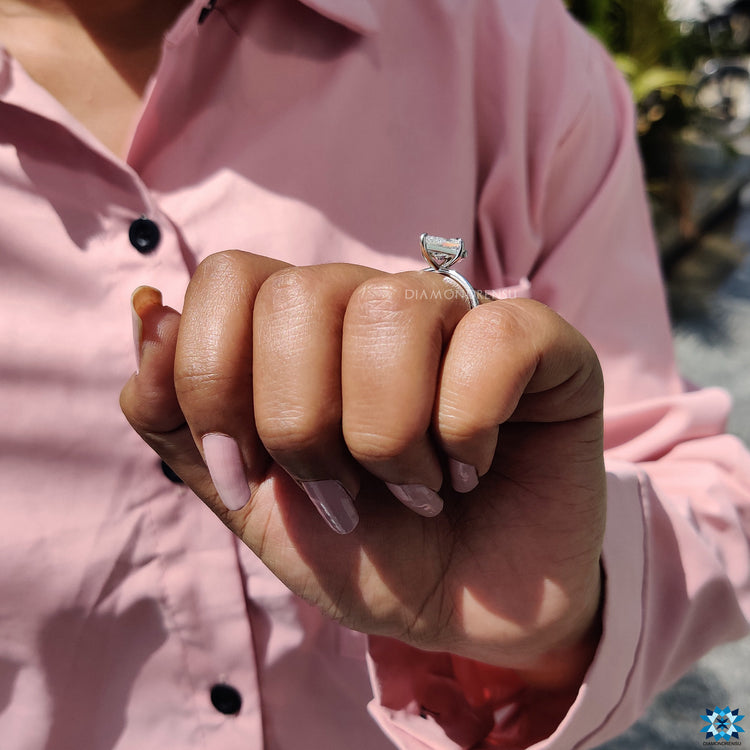
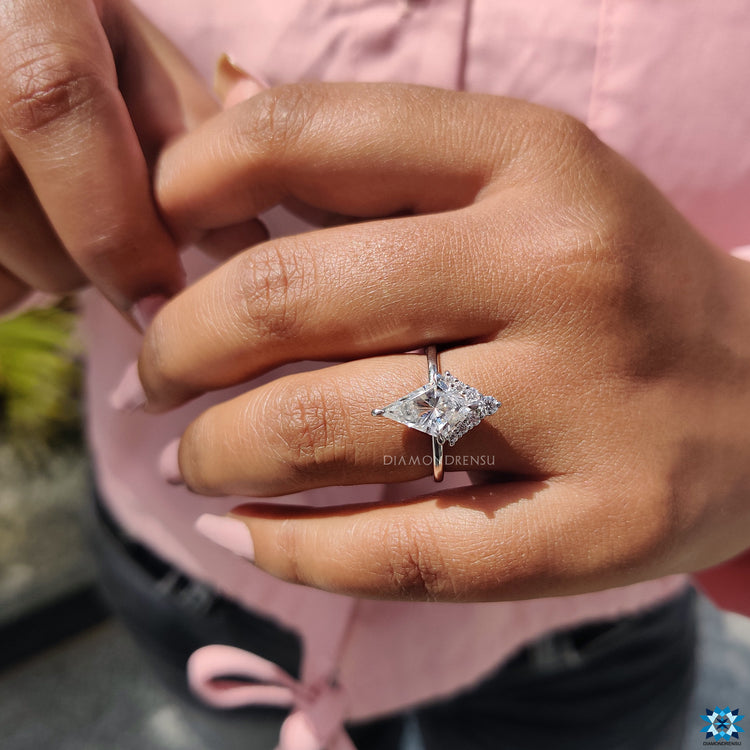
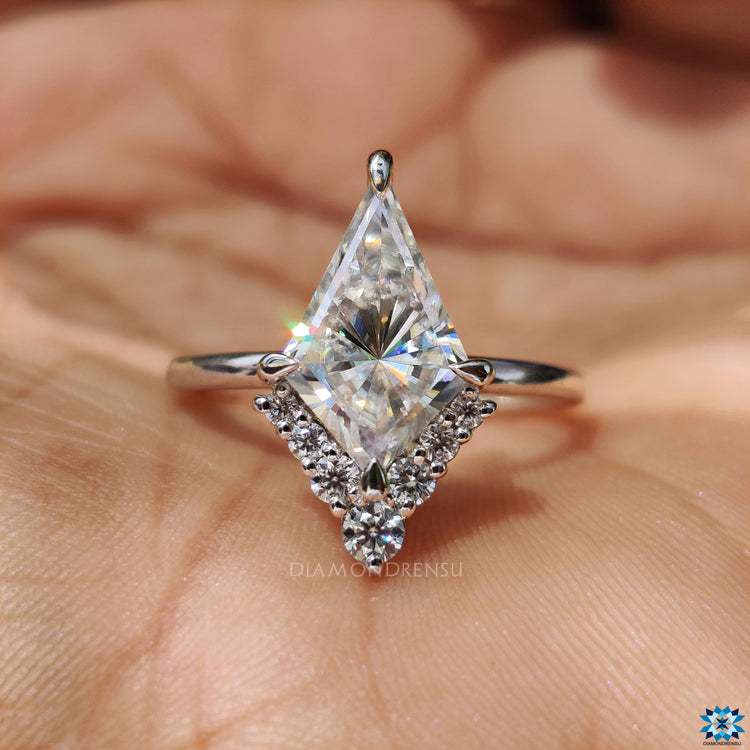
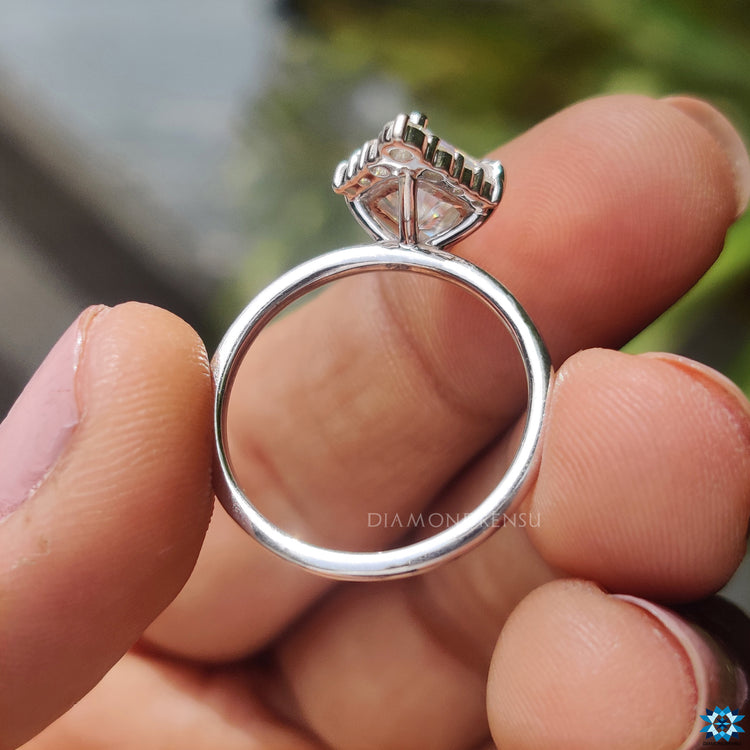
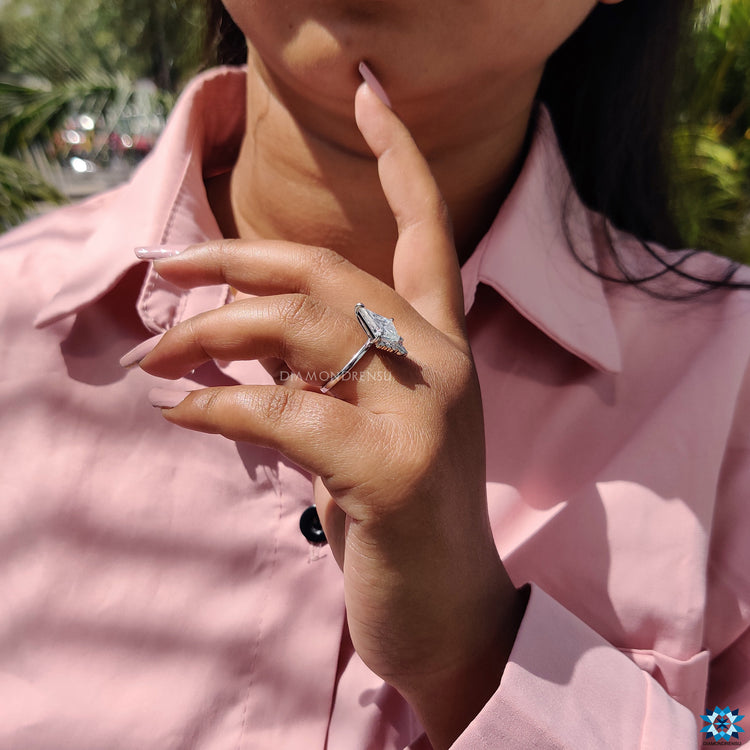
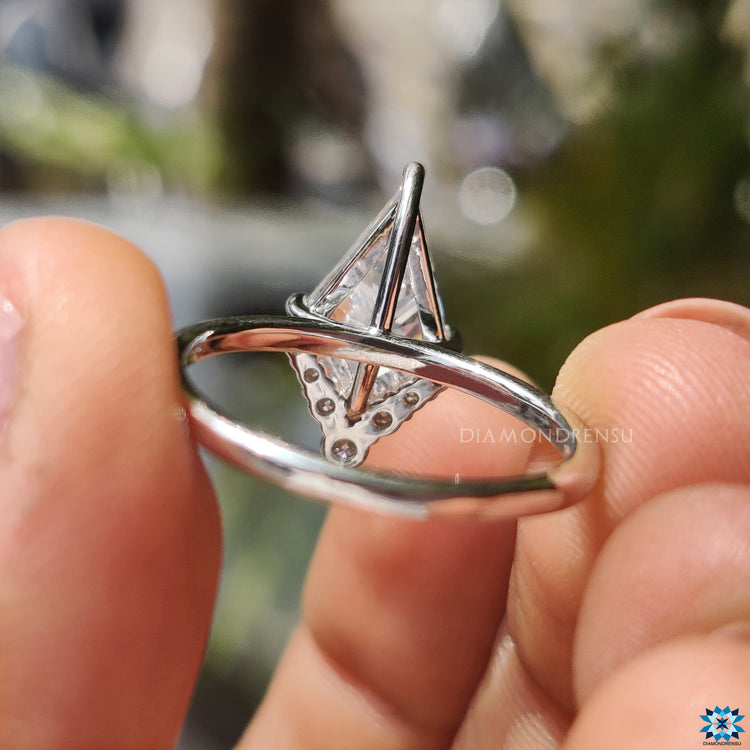
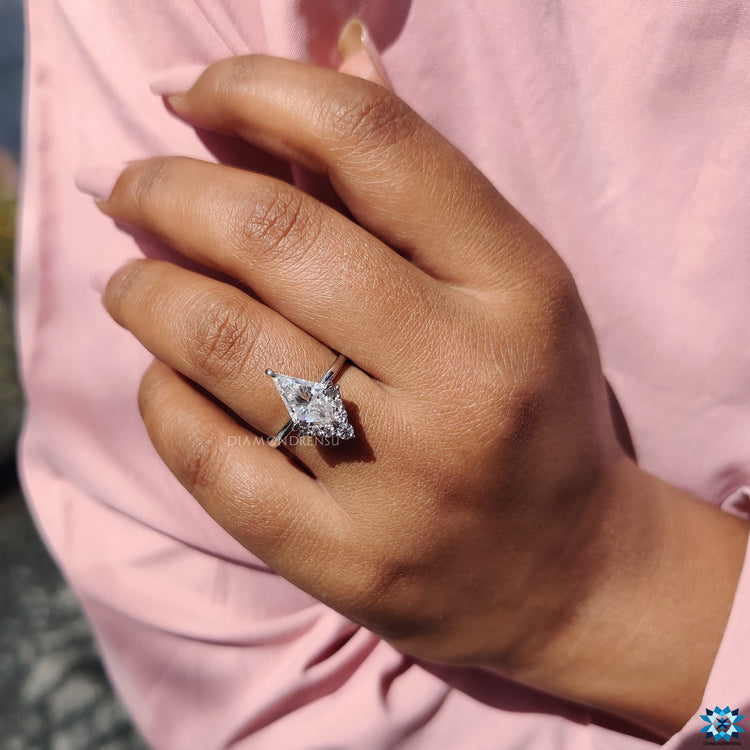
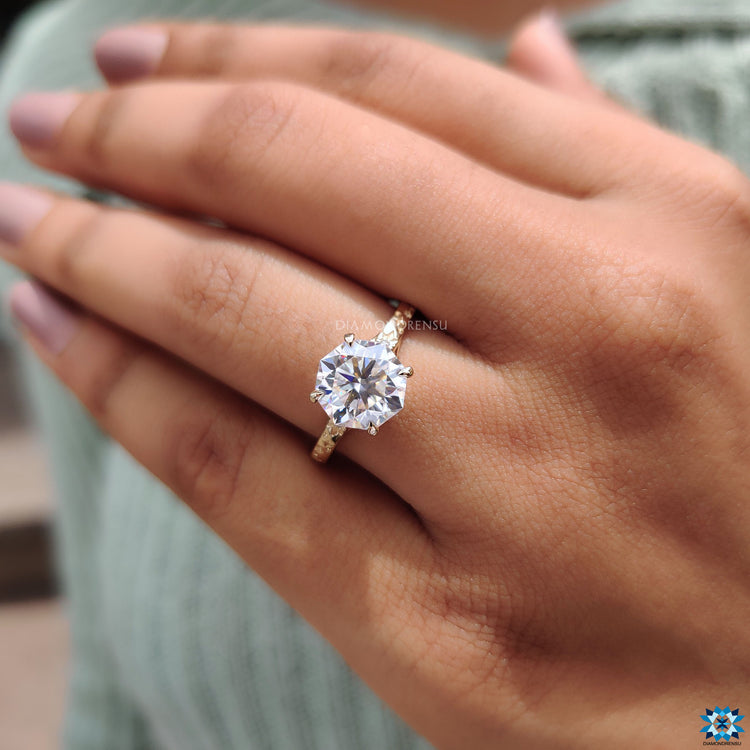
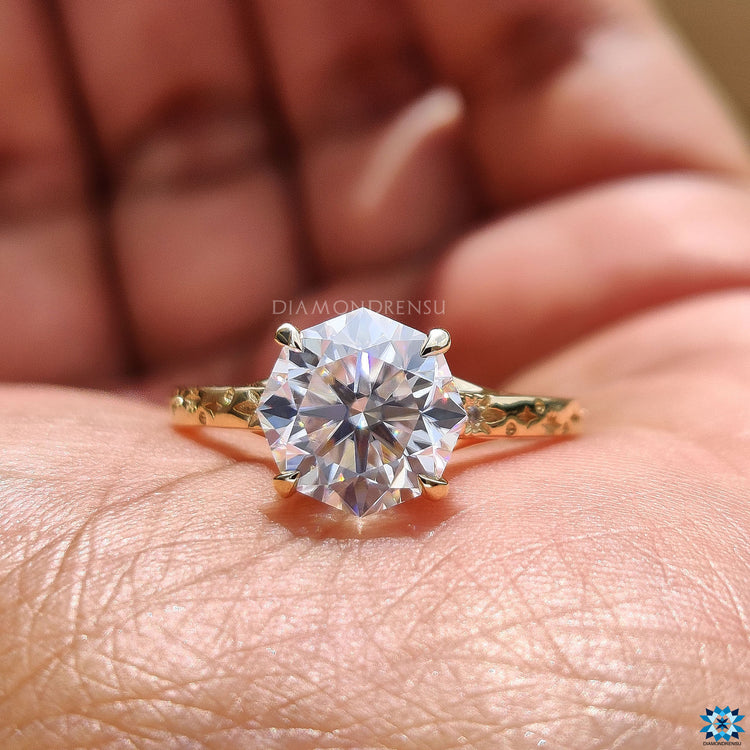
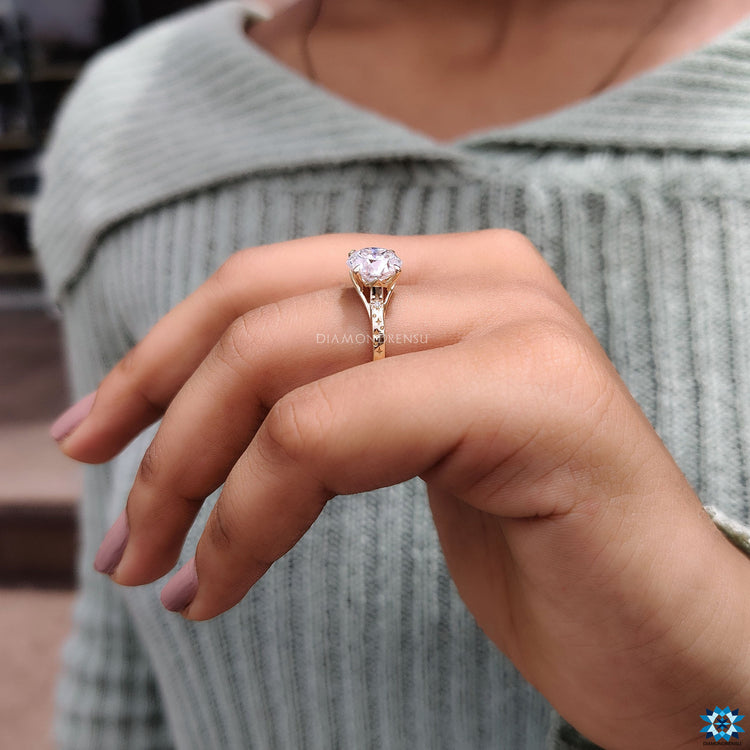
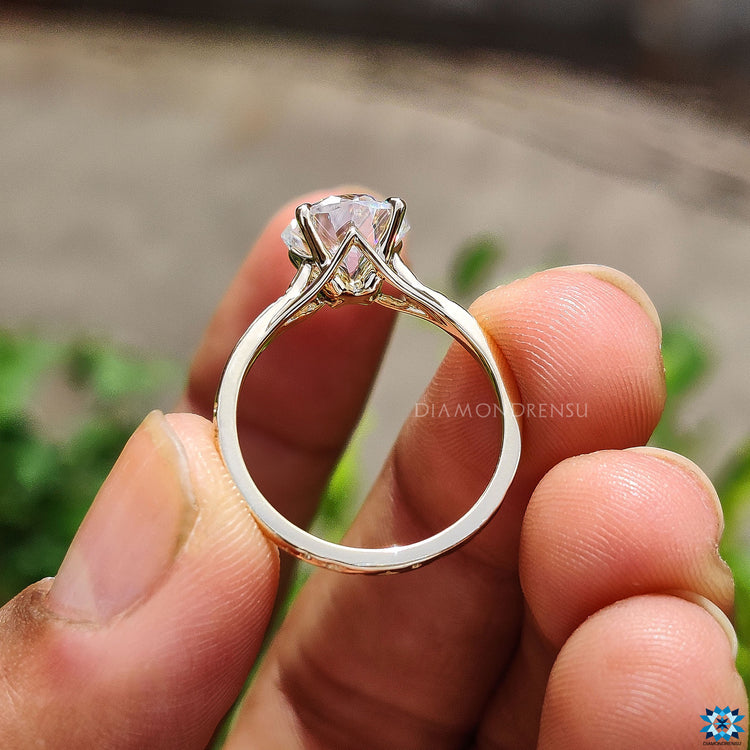
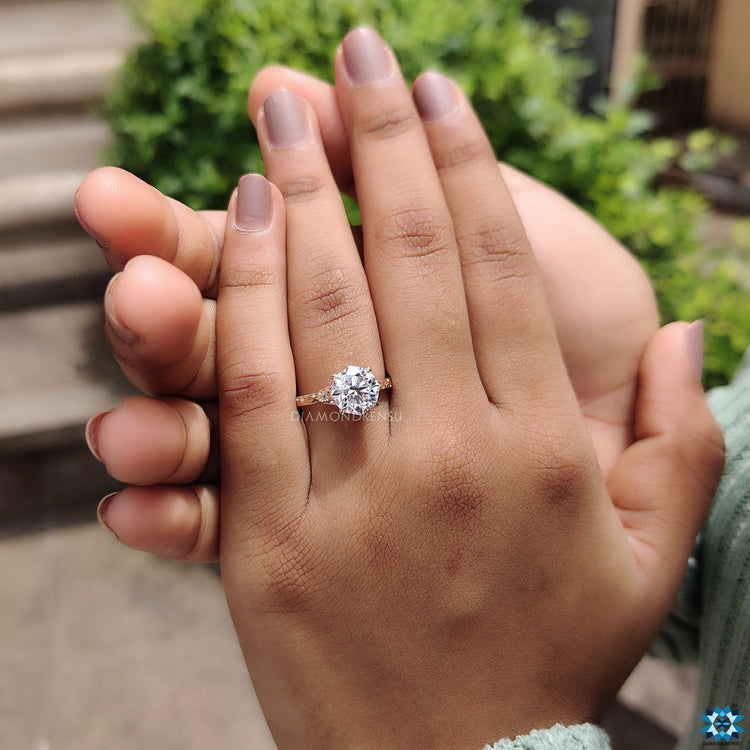
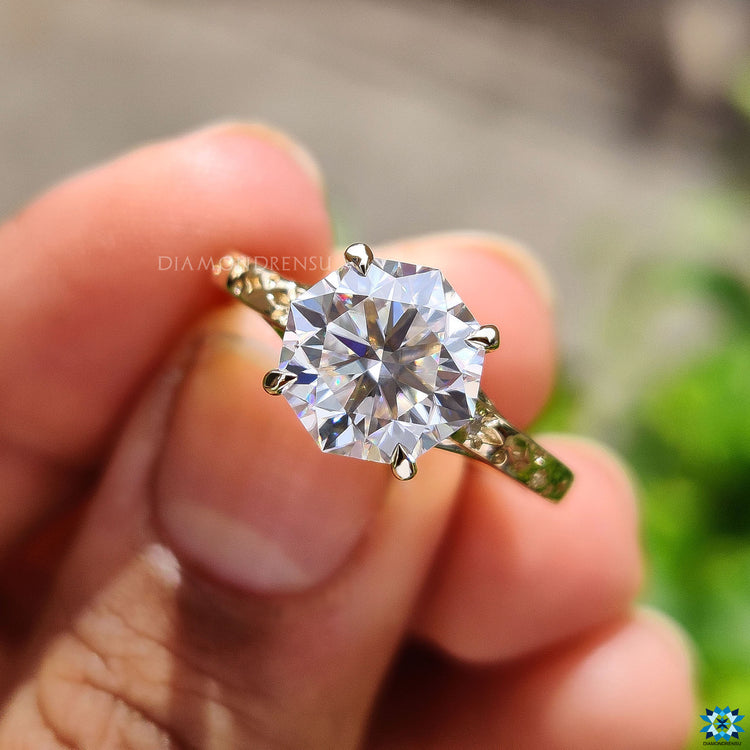
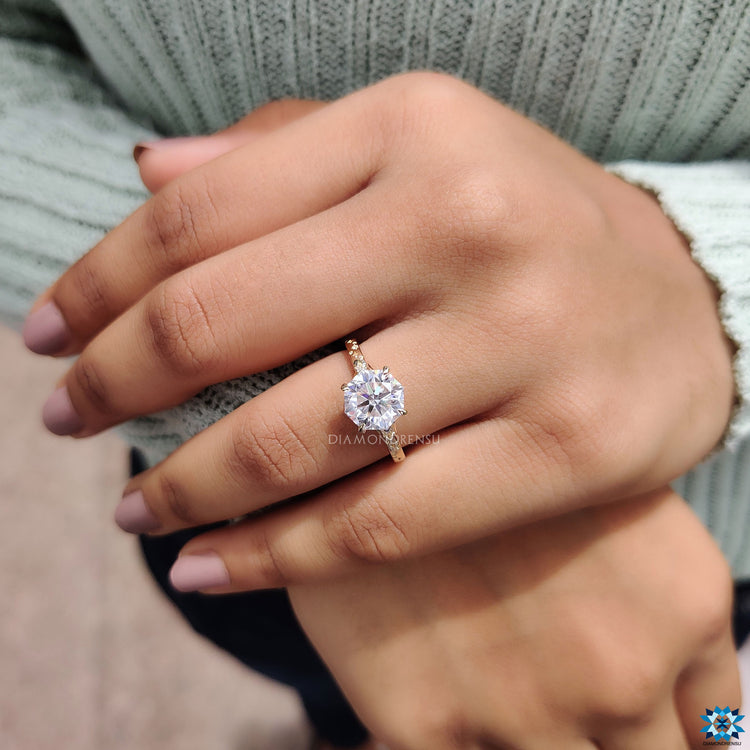
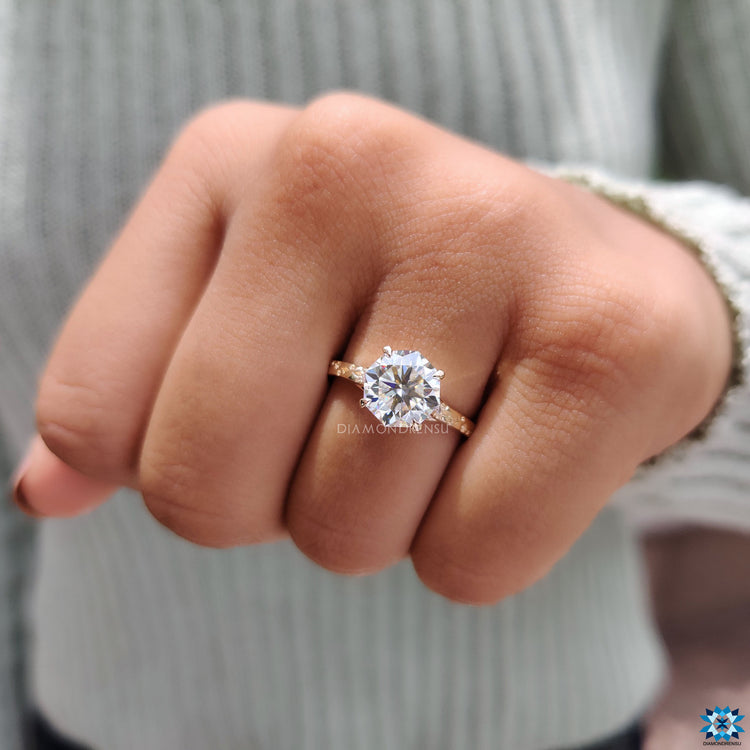
Antique Cut Moissanite Engagement Rings
Discover the magnificence of vintage moissanite rings available at Diamondrensu UK. Our selection includes superb workmanship, glittering moissanite stones, and complex designs. Our antique style moissanite rings will wow you whether your search is for a spectacular item to add to your jewellery collection or a vintage-inspired engagement ring.
Read LessDiscover the magnificence of vintage moissanite rings available at Diamondrensu UK. Our selection includes superb workmanship, glittering moissanite stones, and complex designs. Our antique style moissanite rings will wow you whether your search is for a spectacular item to add to your jewellery collection or a vintage-inspired engagement ring.
Read LessReady to ship worldwide
Easy 30-day returns
Filter By
122 items
122 items
Why Diamondrensu?
Quality guaranteed
Our team works hard to exceed your expectations but if for some reason we fall short, simply return or choose another size product.
Contact us for anything
Can’t find the perfect ring or need assistance? Our team is ready to help with recommendations, orders, and any inquiries you may have.
Can’t find your perfect ring? We’ll create it for you.
Have a design in mind or need help choosing the perfect piece? Schedule a 1-on-1 consultation and let us assist you.
Loved by customers
Hear from those who’ve experienced our craftsmanship firsthand.

Christiaan Sorensen, San Clemente, California - United States

Angela Brown, Calgary, Alberta - Canada
This ring is absolutely gorgeous! Ankit customized the stock ring to my specifications and answered all my questions in a timely manner. The whole process was so painless and quick, and I can’t get over how fiery and beautiful the stone is. The craftsmanships is so well done. My fiancée loves the ring SO much and we’re both so happy! We ordered my engagement ring from Ankit too and I can’t wait to receive it! Thank you, Ankit, for making such a pretty ring and helping make our engagement so special!
Read LessThis ring is absolutely gorgeous! Ankit customized the stock ring to my specifications and answered all my questions in a timely manner. The whole process was so painless and quick, and I can’t get over how fiery and beautiful the stone is. The craftsmanships is so well done. My fiancée loves the ring SO much and we’re both so happy! We ordered my engagement ring from Ankit too and I can’t wait to receive it! Thank you, Ankit, for making such a pretty ring and helping make our engagement so special!
Read Less
Melissa Henderson, Canada
The ring was exactly as pictured. The colour was a little more green which is exactly what we wanted. My son picked this to propose with and she absolutely loved it!!! We were not sure if it would arrive before the new year but it did, so he proposed New Year’s Eve!!!❤️❤️❤️💍💍💍🫶🫶🫶 The service was great and he got back to me to make sure everything was correct!!! I would definitely purchase from here again!!!👍👍👍👍👍
Read LessThe ring was exactly as pictured. The colour was a little more green which is exactly what we wanted. My son picked this to propose with and she absolutely loved it!!! We were not sure if it would arrive before the new year but it did, so he proposed New Year’s Eve!!!❤️❤️❤️💍💍💍🫶🫶🫶 The service was great and he got back to me to make sure everything was correct!!! I would definitely purchase from here again!!!👍👍👍👍👍
Read LessExplore other categories
Frequently Asked Questions
No. Moissanite consists of silicon carbide, a highly stable compound that does not fade, cloud, or alter its appearance over time. If your ring looks dull, a quick wash with warm water and soap will remove any surface grime and restore its bright shine.
While technicians grow both stones in laboratories, they possess different chemical makeups. Lab diamonds consist entirely of carbon and have the same properties as mined diamonds. Moissanite consists of silicon carbide. Moissanite has a higher refractive index and more than double the fire rating of a diamond, which gives it more colourful, rainbow-like reflections.
Yes. Because we cut our moissanite stones in our own workshops, we can shape gems to your exact carat weight and millimeter specifications. Tell us your requirements, and we will cut a stone specifically for your ring.
Yes. You can send us your sketches, photos, or design ideas. Our design team will create a digital three-dimensional model for your approval before our workshop begins physical production.
Yes. Many couples choose a yellow gold band with platinum prongs. Platinum holds the stone more securely than gold, and its white colour does not cast warm yellow tones into the moissanite gemstone.
Typically, the process takes three to four weeks from your initial design approval to the final delivery. During this time, our team designs the 3D model, cuts your custom stone, casts the metal, and polishes your ring.
Introduction to Antique Cut Moissanite Engagement Rings
The Growing Appeal of Vintage Aesthetics
An engagement ring represents a major milestone in your life. It serves as a daily reminder of your commitment, your shared plans, and your personal taste. While many couples choose modern, mass-produced jewellery, others seek designs with deep character and historical charm.
Antique cut moissanite engagement rings provide an excellent option for those who admire the romantic style of past eras but require durable, modern, and ethical materials.
At Diamondrensu UK, we recreate the exact design styles of the Georgian, Victorian, Edwardian, and Art Deco periods. Our stone cutters shape each antique cut moissanite by hand, following the precise faceting patterns that jewellers used hundreds of years ago.
What Defines an Antique Cut Gemstone?
Understanding how historical shapes differ from modern gemstone cuts helps explain why these rings look so distinctive. Before the advent of computer programs and laser cutting systems, gem cutters relied entirely on their eyes, hands, and natural lighting. They often worked by the light of oil lamps or candles.
Consequently, historical cuts focus on bringing out a stone's inner glow and warm dispersion under soft lighting. They do not produce the sharp, splintery, and aggressive sparkle that you see in modern round brilliant cuts.
Several physical features define an authentic antique cut:
A High Crown
The top portion of the gemstone, which sit above the girdle, rises much higher than the crown of a modern stone. This extra height allows light to enter the sides of the gemstone at steeper angles, creating deep, dramatic reflections inside the stone.
A Small Table
The flat top facet of the gemstone, known as the table, remains relatively small in antique cuts. This design choice draws attention to the surrounding angled crown facets, which split white light into bright flashes of rainbow colour.
A Large, Open Culet
In old cutting styles, jewellers cut a flat facet at the very bottom point of the stone, called the culet. When you look down through the top of an antique cut gemstone, you can see a small, dark circle or "inner eye" at the centre. This open culet serves as a primary signature of genuine vintage style.
Broad, Chunky Facets
Instead of the dozens of tiny, narrow facets that cover modern diamonds, antique cuts feature fewer, broader facets. These larger mirror-like surfaces create a "checkerboard" pattern of light and shadow, producing slower, bolder flashes of light.
Why Choose Moissanite for Your Vintage Design?
While natural diamonds filled the rings of past centuries, modern buyers increasingly select moissanite. This stone offers specific optical and physical advantages that make it an ideal fit for historical settings.
Exceptional Light Dispersion
Moissanite possesses optical qualities that exceed those of natural diamonds. It features a refractive index that surpasses the refractive index of a diamond. Additionally, moissanite has a fire rating of, which is more than double the fire rating of a diamond. Fire, or dispersion, refers to the way a gemstone breaks light apart into its individual rainbow colours.
Because antique cuts rely on broad facets to show off colour dispersion, moissanite performs exceptionally well in these shapes. An antique cut moissanite ring catches ambient light and throws off rich, warm, multi-coloured flashes, even in dimly lit rooms.
High Durability for Daily Wear
An engagement ring must withstand constant contact with the physical world. On the Mohs scale of mineral hardness, a diamond scores. This score makes moissanite harder than sapphire, ruby, and emerald. It resists scratching, chipping, and cracking, which ensures that your ring retains its polished facets and sharp edges for decades.
Ethical and Clear Origins
Many modern buyers express concern about the environmental and human impact of diamond mining. Our technicians grow our moissanite crystals in controlled laboratory settings. This process avoids the earth-moving extraction methods that damage local ecosystems. You can wear your ring with complete confidence, knowing that your jewellery supports sustainable manufacturing practices.
Generous Value
Moissanite costs a small fraction of the price of a mined diamond of similar size and colour. This cost difference allows you to select a larger centre stone, choose a more intricate band, or save your funds for other life goals.
The Antique Cuts in Our Collection
We specialise in cutting several distinct historical shapes. Each cut carries its own history and visual personality.
1. The Old European Cut (OEC)
The Old European Cut represents the direct ancestor of the modern round brilliant diamond. Popular from the late 19th century until the 1930s, this round cut features facets, a high crown, a small flat table, and a visible, open culet.
Our Old European Cut moissanite rings offer a soft, quiet alternative to the cold, busy sparkle of modern round cuts. The OEC draws light deep into the body of the stone, creating a soft, warm glow. This cut fits naturally inside vintage-inspired settings that feature delicate wire work and milgrain edging.
2. The Old Mine Cut (OMC)
The Old Mine Cut dates back to the 1700s and served as the default cut during the Georgian and Victorian eras. This cut features a soft, square-to-cushion outline with a high crown, a deep lower half, and a broad culet.
Because craftsmen shaped these stones by hand to follow the natural outlines of the rough mineral, original Old Mine Cuts varied slightly in their dimensions. Our Old Mine Cut moissanite rings replicate this hand-cut charm. The wide facets throw off broad blocks of light, making this shape ideal for people who prefer organic, historical designs over machine-made precision.
3. The Rose Cut
The Rose Cut dates back to the 16th century, making it one of the oldest cuts in the history of jewellery. Unlike modern cuts, a Rose Cut stone features a completely flat bottom and a domed top covered in triangular facets. These facets meet at a central point, resembling the opening petals of a rosebud.
Because this stone has no bottom pavilion, it sits very low and flat against the finger. Our Rose Cut moissanite engagement rings appeal to those who appreciate a quiet, watery shimmer rather than intense, blinding sparkle.
4. The French Cut
French Cut stones first appeared in the 17th century and enjoyed a massive revival during the Art Deco era of the 1920s and 1930s. This cut features a square or rectangular outline and a series of triangular crown facets that look like a four-pointed star.
We often place French Cut moissanite stones along the shoulders of our rings or use them as accent stones in three-stone designs. Their clean, structural lines and antique faceting provide a geometric contrast that enhances any central stone.
5. The Antique Cushion Cut
Modern cushion cuts often use a "crushed ice" facet pattern that creates millions of tiny, glittering reflections. In contrast, our Antique Cushion Cut features the long, elegant facets of the late Victorian era. This cut combines a square shape with gently rounded corners, offering a deep profile and a soft, cushion-like silhouette.
An antique cushion cut moissanite provides excellent visual presence on your hand. It merges the clean geometry of square rings with the soft, flowing outlines of circular bands.
Choosing the Best Metal for Your Band
The metal you select for your ring band influences the overall character of your antique cut moissanite. We offer several metal options to suit your preferences and your budget.
Yellow Gold
Yellow gold represents the traditional metal of choice for jewellery. It provides a warm, rich background that complements the fiery dispersion of moissanite. If you want to capture the warm, candlelit feel of the Victorian era, yellow gold offers the best option.
- Yellow Gold: This alloy contains a higher proportion of other metals, which makes it highly durable and scratch-resistant for daily wear. It has a slightly pale, subtle yellow colour.
- Yellow Gold: This alloy contains 75% pure gold, which gives it a rich, deep, and classic yellow tone that flatters most skin tones.
Rose Gold
Rose gold enjoyed great popularity during the late Victorian and Edwardian years. Jewelers create this metal by mixing pure gold with copper, producing a warm, pinkish-red hue. A rose gold setting coaxes out the warm, fiery undertones of an antique cut moissanite, creating a cohesive, romantic look.
White Gold and Platinum
If you prefer the clean, bold look of the Art Deco era, white metals will serve you well. During the 1920s, platinum became the preferred choice for showing off intricate hand-engraved details and lace-like openwork.
- White Gold: We apply a thin layer of rhodium plating to our white gold bands to give them a bright, white, reflective surface that highlights the stone's colourless quality.
- Platinum: This dense, heavy metal offers natural wear resistance and hypoallergenic qualities. Platinum does not wear away over time; instead, it develops a soft, satin-like finish called a patina, which actually enhances the antique feel of your ring.
Our Bespoke Design Process
We understand that you may want a ring that differs from our standard collections. We offer a direct, collaborative bespoke design service to help you build your ideal engagement ring from scratch.
Our simple design process keeps you in control at every stage:
- Your Ideas: You send us your sketches, reference photos, preferred metal choices, and desired antique cuts.
- 3D Model: Our design team creates a digital three-dimensional model of your ring. You review this digital model to check the proportions, height, and layout. You can request changes to the design during this phase.
- Stone Cutting: Once you approve the digital design, our lapidaries cut a custom moissanite stone to fit your setting's exact measurements.
- Creation: Our bench jewellers cast the metal band, hand-set your moissanite stone, and apply the final polish.
- Delivery: We package your ring securely and ship it to your UK address, complete with our documentation.
Easy Tips to Keep Your Ring Sparkling
The Moissanite is extremely tough, and daily wear exposes your ring to hand creams, soaps, hair sprays, and skin oils. These substances can form a thin layer on the surface of your gemstone, blocking light and reducing its fire.
The Restore your ring's original shine by following these quick cleaning steps:
- Soak: Fill a clean cup with warm water and mix in a few drops of mild washing-up liquid. Let your ring sit in this mixture for 15 minutes to soften any trapped dirt.
- Brush: Take a clean toothbrush with soft bristles and gently brush the underside of the stone and the gaps in the setting. Do not scrub hard, as you do not want to disturb the metal prongs.
- Rinse: Hold your ring under warm, running water to wash away the soap. Keep the plug in the sink basin to prevent accidents.
- Dry: Pat your ring dry with a soft, clean microfibre cloth. Do not use paper towels, as their fibres can catch under the metal claws.
We are recommend removing your ring before doing heavy manual work, swimming in chlorinated pools, or handling harsh household chemicals. An annual check-up with a local jeweller will also ensure that your metal prongs remain tight and secure.
The Growing Appeal of Vintage Aesthetics
An engagement ring represents a major milestone in your life. It serves as a daily reminder of your commitment, your shared plans, and your personal taste. While many couples choose modern, mass-produced jewellery, others seek designs with deep character and historical charm.
Antique cut moissanite engagement rings provide an excellent option for those who admire the romantic style of past eras but require durable, modern, and ethical materials.
At Diamondrensu UK, we recreate the exact design styles of the Georgian, Victorian, Edwardian, and Art Deco periods. Our stone cutters shape each antique cut moissanite by hand, following the precise faceting patterns that jewellers used hundreds of years ago.
What Defines an Antique Cut Gemstone?
Understanding how historical shapes differ from modern gemstone cuts helps explain why these rings look so distinctive. Before the advent of computer programs and laser cutting systems, gem cutters relied entirely on their eyes, hands, and natural lighting. They often worked by the light of oil lamps or candles.
Consequently, historical cuts focus on bringing out a stone's inner glow and warm dispersion under soft lighting. They do not produce the sharp, splintery, and aggressive sparkle that you see in modern round brilliant cuts.
Several physical features define an authentic antique cut:
A High Crown
The top portion of the gemstone, which sit above the girdle, rises much higher than the crown of a modern stone. This extra height allows light to enter the sides of the gemstone at steeper angles, creating deep, dramatic reflections inside the stone.
A Small Table
The flat top facet of the gemstone, known as the table, remains relatively small in antique cuts. This design choice draws attention to the surrounding angled crown facets, which split white light into bright flashes of rainbow colour.
A Large, Open Culet
In old cutting styles, jewellers cut a flat facet at the very bottom point of the stone, called the culet. When you look down through the top of an antique cut gemstone, you can see a small, dark circle or "inner eye" at the centre. This open culet serves as a primary signature of genuine vintage style.
Broad, Chunky Facets
Instead of the dozens of tiny, narrow facets that cover modern diamonds, antique cuts feature fewer, broader facets. These larger mirror-like surfaces create a "checkerboard" pattern of light and shadow, producing slower, bolder flashes of light.
Why Choose Moissanite for Your Vintage Design?
While natural diamonds filled the rings of past centuries, modern buyers increasingly select moissanite. This stone offers specific optical and physical advantages that make it an ideal fit for historical settings.
Exceptional Light Dispersion
Moissanite possesses optical qualities that exceed those of natural diamonds. It features a refractive index that surpasses the refractive index of a diamond. Additionally, moissanite has a fire rating of, which is more than double the fire rating of a diamond. Fire, or dispersion, refers to the way a gemstone breaks light apart into its individual rainbow colours.
Because antique cuts rely on broad facets to show off colour dispersion, moissanite performs exceptionally well in these shapes. An antique cut moissanite ring catches ambient light and throws off rich, warm, multi-coloured flashes, even in dimly lit rooms.
High Durability for Daily Wear
An engagement ring must withstand constant contact with the physical world. On the Mohs scale of mineral hardness, a diamond scores. This score makes moissanite harder than sapphire, ruby, and emerald. It resists scratching, chipping, and cracking, which ensures that your ring retains its polished facets and sharp edges for decades.
Ethical and Clear Origins
Many modern buyers express concern about the environmental and human impact of diamond mining. Our technicians grow our moissanite crystals in controlled laboratory settings. This process avoids the earth-moving extraction methods that damage local ecosystems. You can wear your ring with complete confidence, knowing that your jewellery supports sustainable manufacturing practices.
Generous Value
Moissanite costs a small fraction of the price of a mined diamond of similar size and colour. This cost difference allows you to select a larger centre stone, choose a more intricate band, or save your funds for other life goals.
The Antique Cuts in Our Collection
We specialise in cutting several distinct historical shapes. Each cut carries its own history and visual personality.
1. The Old European Cut (OEC)
The Old European Cut represents the direct ancestor of the modern round brilliant diamond. Popular from the late 19th century until the 1930s, this round cut features facets, a high crown, a small flat table, and a visible, open culet.
Our Old European Cut moissanite rings offer a soft, quiet alternative to the cold, busy sparkle of modern round cuts. The OEC draws light deep into the body of the stone, creating a soft, warm glow. This cut fits naturally inside vintage-inspired settings that feature delicate wire work and milgrain edging.
2. The Old Mine Cut (OMC)
The Old Mine Cut dates back to the 1700s and served as the default cut during the Georgian and Victorian eras. This cut features a soft, square-to-cushion outline with a high crown, a deep lower half, and a broad culet.
Because craftsmen shaped these stones by hand to follow the natural outlines of the rough mineral, original Old Mine Cuts varied slightly in their dimensions. Our Old Mine Cut moissanite rings replicate this hand-cut charm. The wide facets throw off broad blocks of light, making this shape ideal for people who prefer organic, historical designs over machine-made precision.
3. The Rose Cut
The Rose Cut dates back to the 16th century, making it one of the oldest cuts in the history of jewellery. Unlike modern cuts, a Rose Cut stone features a completely flat bottom and a domed top covered in triangular facets. These facets meet at a central point, resembling the opening petals of a rosebud.
Because this stone has no bottom pavilion, it sits very low and flat against the finger. Our Rose Cut moissanite engagement rings appeal to those who appreciate a quiet, watery shimmer rather than intense, blinding sparkle.
4. The French Cut
French Cut stones first appeared in the 17th century and enjoyed a massive revival during the Art Deco era of the 1920s and 1930s. This cut features a square or rectangular outline and a series of triangular crown facets that look like a four-pointed star.
We often place French Cut moissanite stones along the shoulders of our rings or use them as accent stones in three-stone designs. Their clean, structural lines and antique faceting provide a geometric contrast that enhances any central stone.
5. The Antique Cushion Cut
Modern cushion cuts often use a "crushed ice" facet pattern that creates millions of tiny, glittering reflections. In contrast, our Antique Cushion Cut features the long, elegant facets of the late Victorian era. This cut combines a square shape with gently rounded corners, offering a deep profile and a soft, cushion-like silhouette.
An antique cushion cut moissanite provides excellent visual presence on your hand. It merges the clean geometry of square rings with the soft, flowing outlines of circular bands.
Choosing the Best Metal for Your Band
The metal you select for your ring band influences the overall character of your antique cut moissanite. We offer several metal options to suit your preferences and your budget.
Yellow Gold
Yellow gold represents the traditional metal of choice for jewellery. It provides a warm, rich background that complements the fiery dispersion of moissanite. If you want to capture the warm, candlelit feel of the Victorian era, yellow gold offers the best option.
- Yellow Gold: This alloy contains a higher proportion of other metals, which makes it highly durable and scratch-resistant for daily wear. It has a slightly pale, subtle yellow colour.
- Yellow Gold: This alloy contains 75% pure gold, which gives it a rich, deep, and classic yellow tone that flatters most skin tones.
Rose Gold
Rose gold enjoyed great popularity during the late Victorian and Edwardian years. Jewelers create this metal by mixing pure gold with copper, producing a warm, pinkish-red hue. A rose gold setting coaxes out the warm, fiery undertones of an antique cut moissanite, creating a cohesive, romantic look.
White Gold and Platinum
If you prefer the clean, bold look of the Art Deco era, white metals will serve you well. During the 1920s, platinum became the preferred choice for showing off intricate hand-engraved details and lace-like openwork.
- White Gold: We apply a thin layer of rhodium plating to our white gold bands to give them a bright, white, reflective surface that highlights the stone's colourless quality.
- Platinum: This dense, heavy metal offers natural wear resistance and hypoallergenic qualities. Platinum does not wear away over time; instead, it develops a soft, satin-like finish called a patina, which actually enhances the antique feel of your ring.
Our Bespoke Design Process
We understand that you may want a ring that differs from our standard collections. We offer a direct, collaborative bespoke design service to help you build your ideal engagement ring from scratch.
Our simple design process keeps you in control at every stage:
- Your Ideas: You send us your sketches, reference photos, preferred metal choices, and desired antique cuts.
- 3D Model: Our design team creates a digital three-dimensional model of your ring. You review this digital model to check the proportions, height, and layout. You can request changes to the design during this phase.
- Stone Cutting: Once you approve the digital design, our lapidaries cut a custom moissanite stone to fit your setting's exact measurements.
- Creation: Our bench jewellers cast the metal band, hand-set your moissanite stone, and apply the final polish.
- Delivery: We package your ring securely and ship it to your UK address, complete with our documentation.
Easy Tips to Keep Your Ring Sparkling
The Moissanite is extremely tough, and daily wear exposes your ring to hand creams, soaps, hair sprays, and skin oils. These substances can form a thin layer on the surface of your gemstone, blocking light and reducing its fire.
The Restore your ring's original shine by following these quick cleaning steps:
- Soak: Fill a clean cup with warm water and mix in a few drops of mild washing-up liquid. Let your ring sit in this mixture for 15 minutes to soften any trapped dirt.
- Brush: Take a clean toothbrush with soft bristles and gently brush the underside of the stone and the gaps in the setting. Do not scrub hard, as you do not want to disturb the metal prongs.
- Rinse: Hold your ring under warm, running water to wash away the soap. Keep the plug in the sink basin to prevent accidents.
- Dry: Pat your ring dry with a soft, clean microfibre cloth. Do not use paper towels, as their fibres can catch under the metal claws.
We are recommend removing your ring before doing heavy manual work, swimming in chlorinated pools, or handling harsh household chemicals. An annual check-up with a local jeweller will also ensure that your metal prongs remain tight and secure.