Platinum vs Gold Rings: How to Choose the Right Wedding Ring
Choosing the right wedding ring involves more than finding a design you like. The metal can affect the ring's colour, weight, durability, price and care needs. Platinum and gold are both popular choices in the UK, but each offers a different experience for everyday wear.
Your budget, lifestyle and personal taste can all help you decide between the two. It is also worth thinking about how the wedding ring will look beside your engagement ring. By comparing the key differences, you can choose a metal that suits your needs and feels right to wear every day.
Platinum Wedding Rings
Platinum is a naturally white metal that is widely used for wedding and engagement rings. Jewellery platinum is usually around 95% pure, with other metals added to give the ring strength. Its natural white colour does not come from a surface coating, so it does not change to a yellow tone as the metal wears.
Platinum is also denser than gold, giving it a heavier feel on the finger. It is a strong option for a wedding ring that you plan to wear every day. Like any precious metal, platinum can develop scratches, but it tends to move the metal rather than lose much of it when marked.
Key benefits of platinum include:
- High level of metal purity
- Naturally white colour
- Strong and suitable for everyday wear
- Heavier feel than gold
- Works well with diamond settings
Gold Wedding Rings
Gold has been used for wedding jewellery for generations and remains a popular choice in the Diamondrensu UK. It is available in different purities and colours, giving you plenty of options when choosing a wedding ring. The most common colours are yellow gold, white gold and rose gold.
Gold is mixed with other metals to make it suitable for jewellery because pure gold is too soft for most everyday ring designs. The karat affects the amount of pure gold in the ring, while the alloy can affect its strength and colour. This means you can choose a gold ring based on both appearance and practical needs.
Popular gold options include:
- 9ct gold: Contains 37.5% pure gold and is often a more affordable choice.
- 14ct gold: Contains 58.5% pure gold and offers a balance of purity and strength.
- 18ct gold: Contains 75% pure gold and has a richer gold content.
- Yellow gold: Offers a traditional warm colour.
- White gold: Gives a white appearance and may need rhodium replating over time.
- Rose gold: Has a pink tone created by its alloy.
Platinum vs Gold: Key Differences
| Comparison | Platinum | Gold |
|---|---|---|
| Purity | Usually around 95% pure | Commonly available in 9ct, 14ct and 18ct |
| Colour | Naturally white | Available in yellow, white and rose |
| Durability | Strong and suitable for everyday wear | Durability varies with purity and alloy |
| Weight | Denser and heavier | Generally lighter |
| Scratches | Can develop a patina as it wears | Can develop scratches and signs of wear |
| Maintenance | Usually needs cleaning and occasional polishing | White gold may need rhodium replating |
| Price | Usually more expensive | Offers a wider range of price options |
| Best for | High purity and a naturally white metal | Colour and budget flexibility |
Which Is More Durable: Platinum or Gold?
Platinum is a strong metal for everyday jewellery and is often chosen for wedding rings because of its durability. When platinum is scratched, some of the metal moves across the surface rather than being removed. This can lead to a patina over time, which can be polished if you prefer a brighter finish.
Gold can also provide many years of wear when you choose a suitable purity and take proper care of the ring. 9ct gold is generally harder than 18ct gold because it contains a higher proportion of other metals. Your choice should take into account how active you are and what your hands are exposed to during work or hobbies.
Consider these points when choosing for durability:
- How often you plan to wear the ring
- Your type of work
- Sports and physical activities
- How often you are willing to clean or maintain the ring
- The gold purity if you choose gold
Platinum vs Gold: Which Costs More?
Platinum wedding rings generally cost more than gold rings because platinum is a dense metal with a high level of purity. The ring's weight also affects the final price because more platinum is needed to make a piece of the same size. Design, ring width and any diamonds or gemstones will also affect the cost.
Gold gives you more ways to manage your budget. Choosing 9ct gold can reduce the price, while 18ct gold will usually cost more because it contains a higher percentage of pure gold. When comparing prices, make sure you are looking at similar ring weights, widths and designs rather than comparing the metal alone.
Your budget can be affected by:
- Metal purity
- Ring weight
- Band width
- Ring size
- Design details
- Diamonds or other gemstones
- Finishing and craftsmanship
Choosing Between Yellow, White and Rose Gold
Yellow gold is a popular option for those who prefer a traditional wedding ring. Its warm colour can work well with classic designs and can also create a contrast when worn beside a white-metal engagement ring. It is a versatile choice if you want the gold colour to remain visible.
White gold has a cooler appearance, while rose gold has a warmer pink tone. White gold is normally finished with rhodium to give it its bright white surface, and this coating can wear down with time. Rose gold gets its colour from the metals mixed with the gold, making it a good choice if you want something different from yellow or white.
Choose based on the look you prefer:
- Yellow gold: Traditional and warm
- White gold: Cool and white in appearance
- Rose gold: Warm with a pink tone
- Mixed metals: Useful if you want to combine different colours
Platinum vs Gold for Everyday Wear
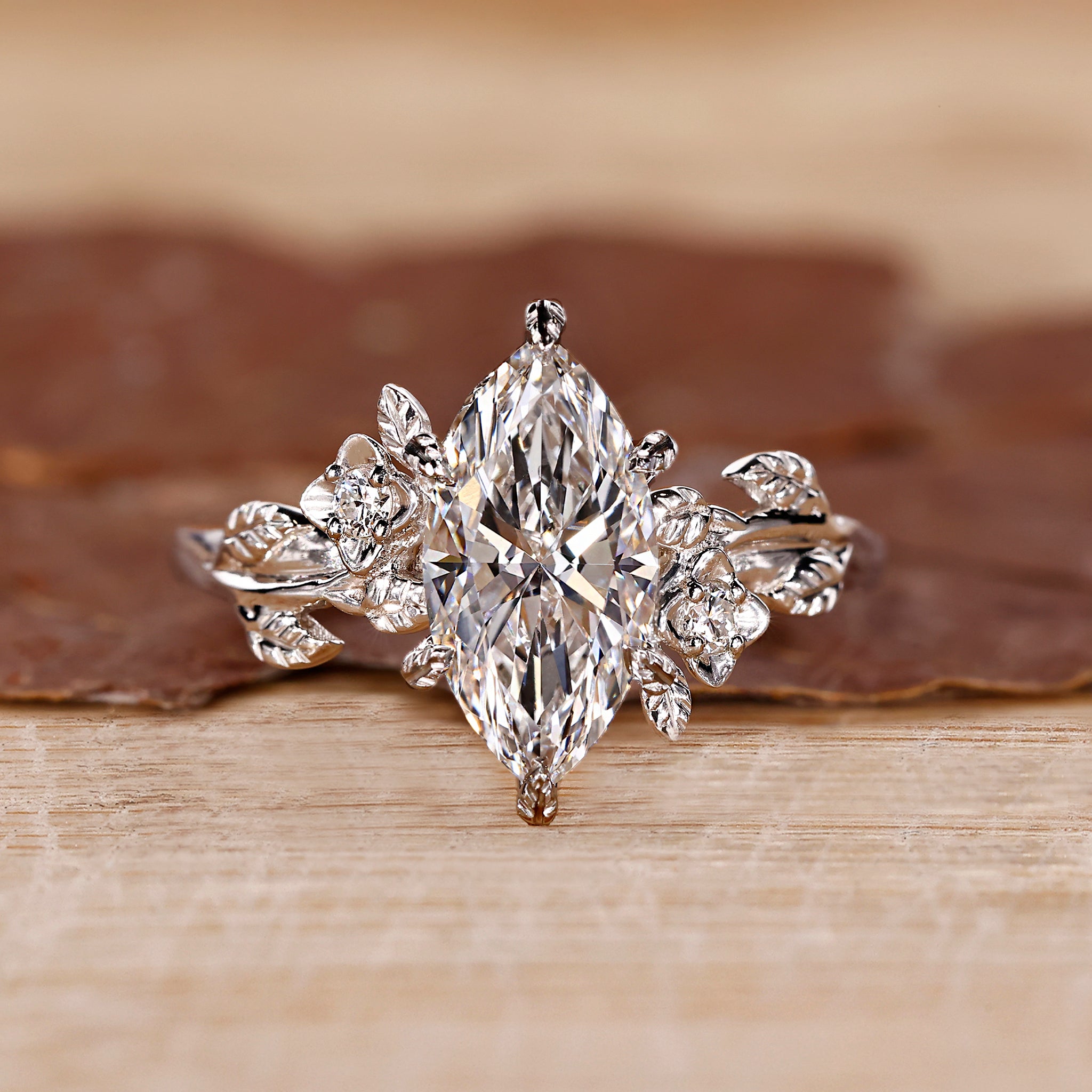
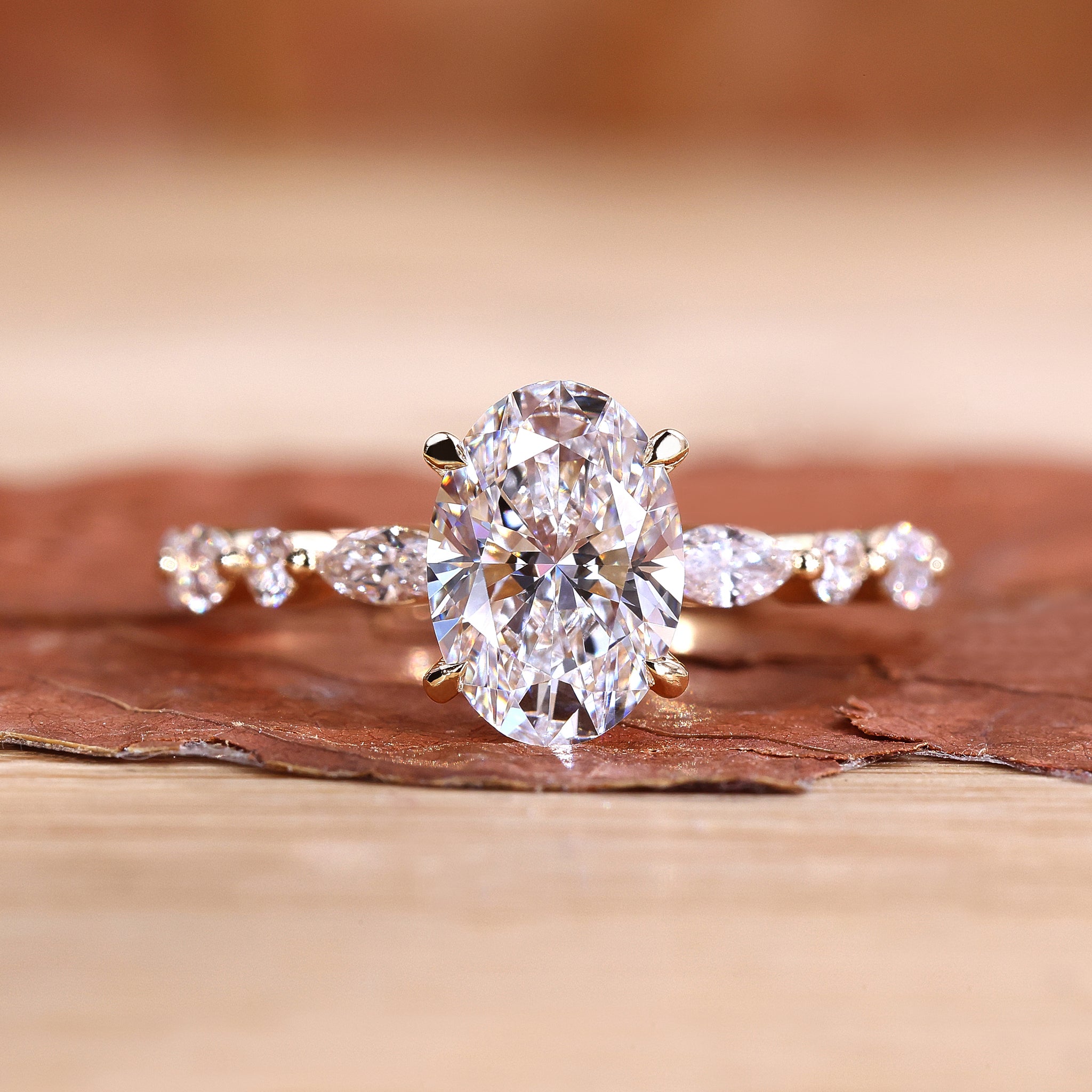
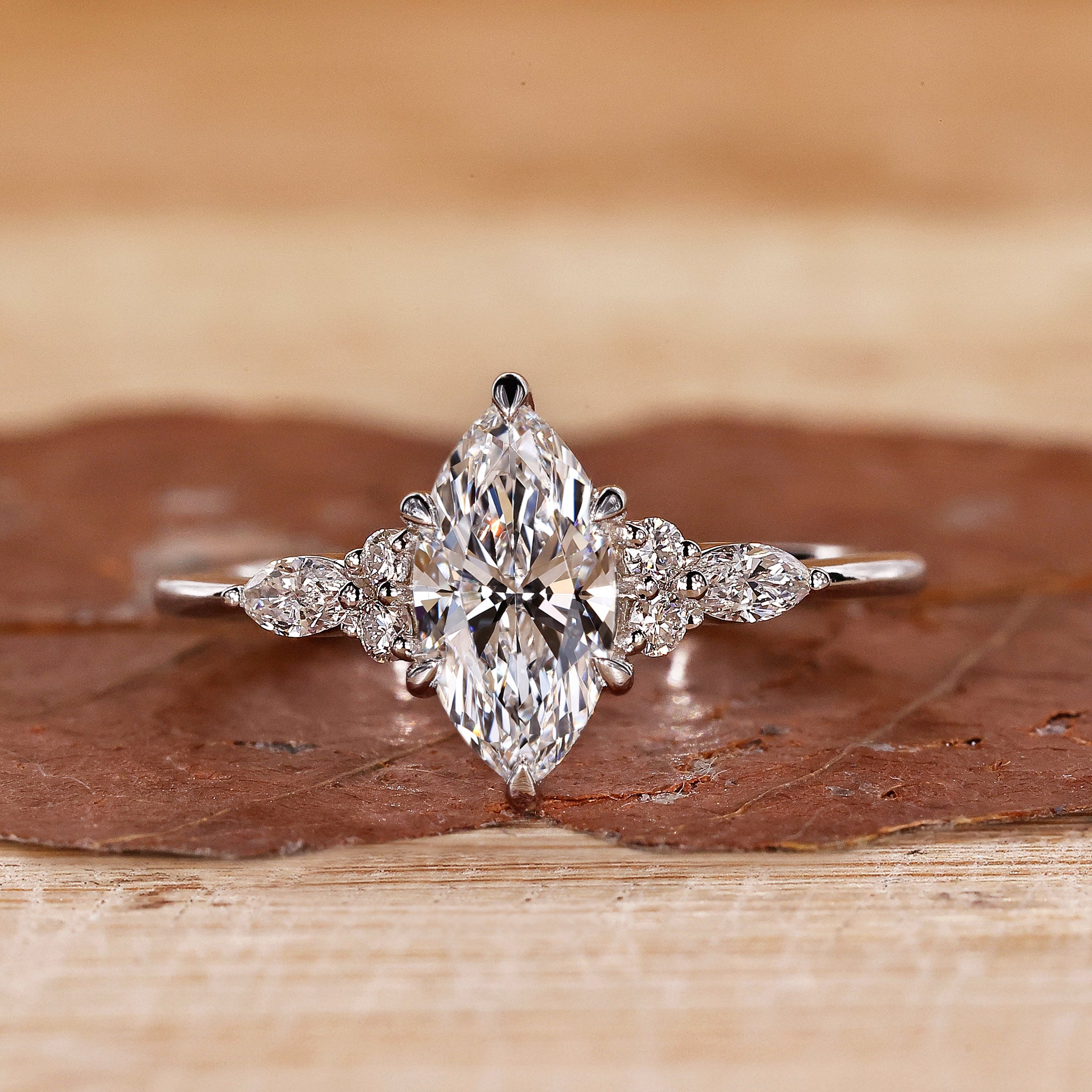
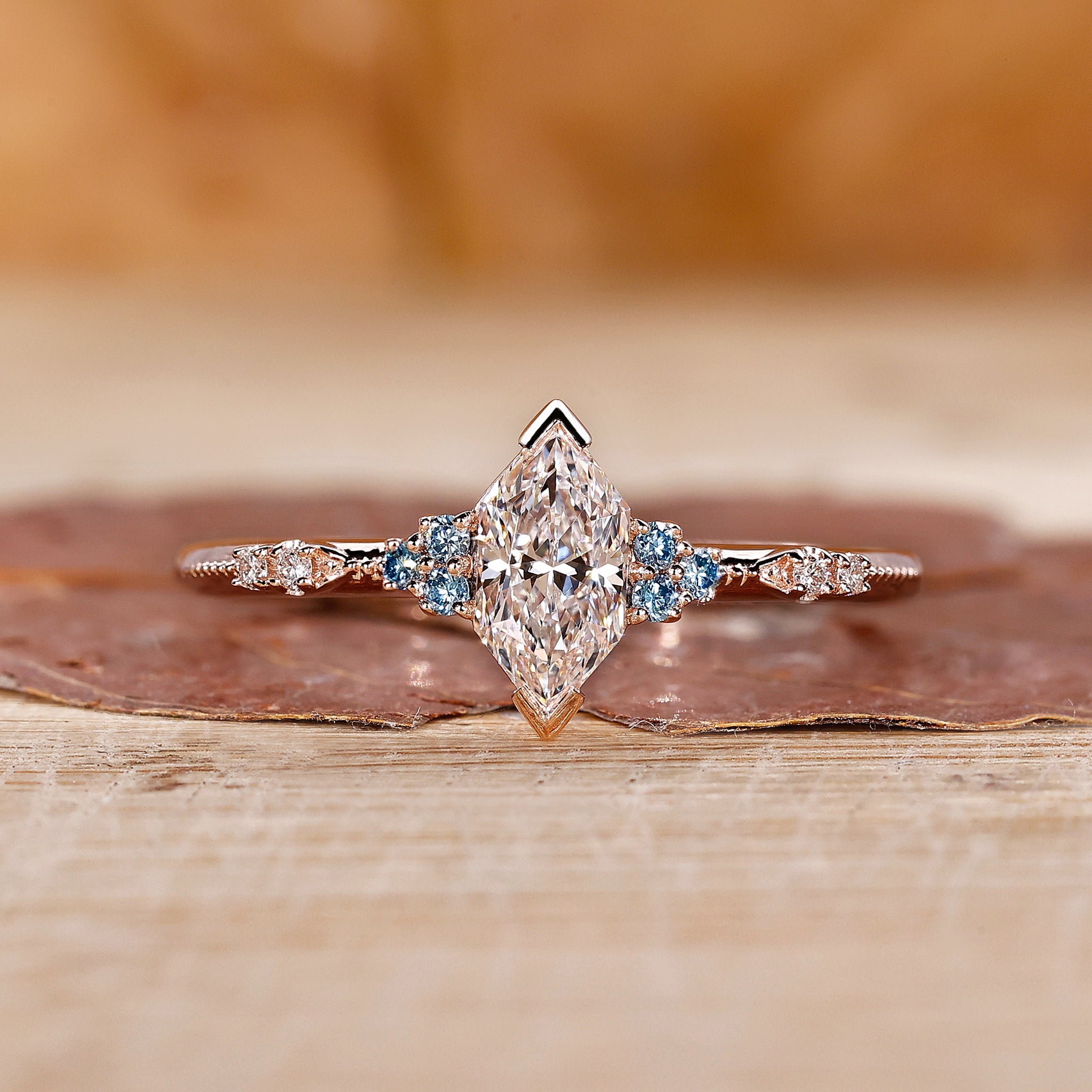
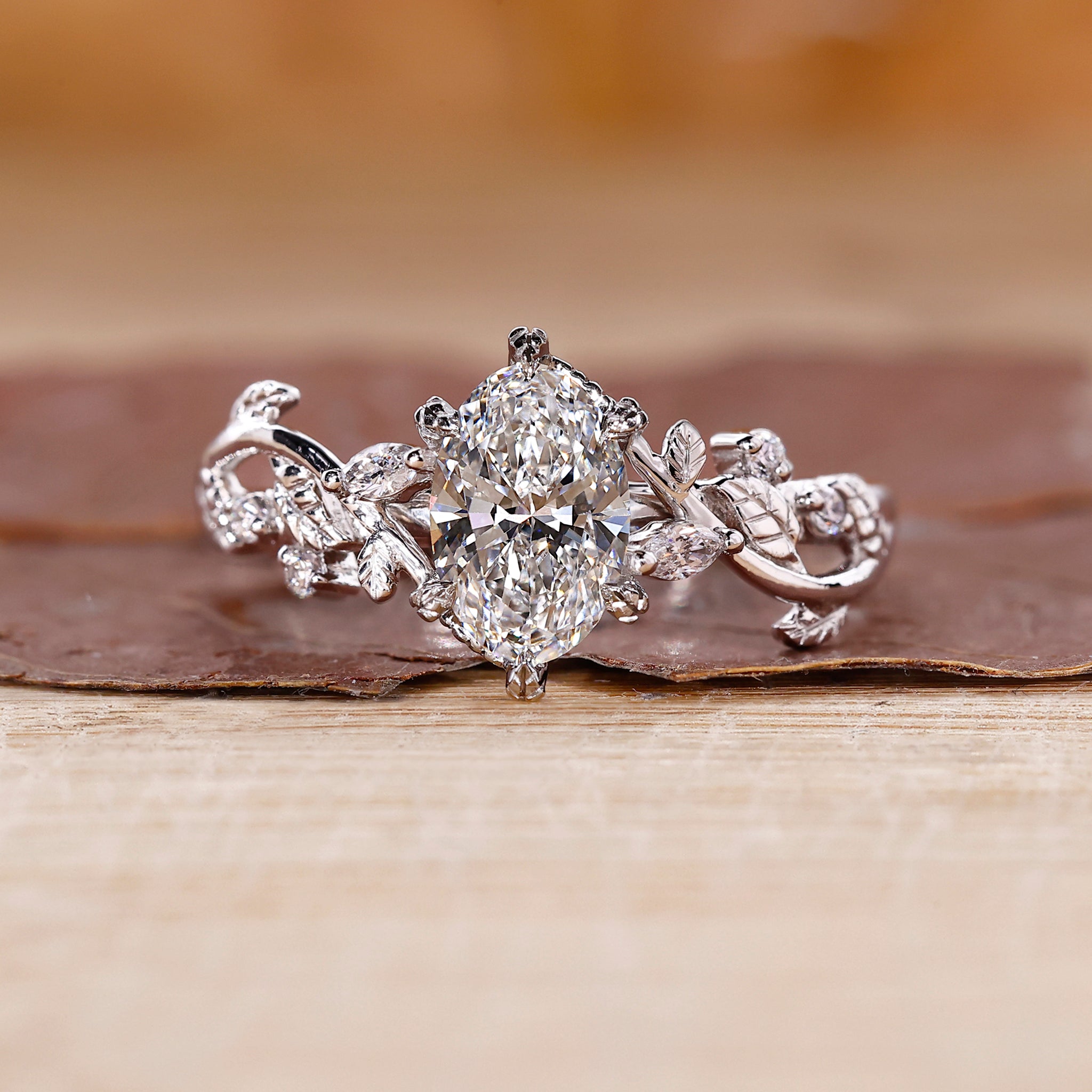
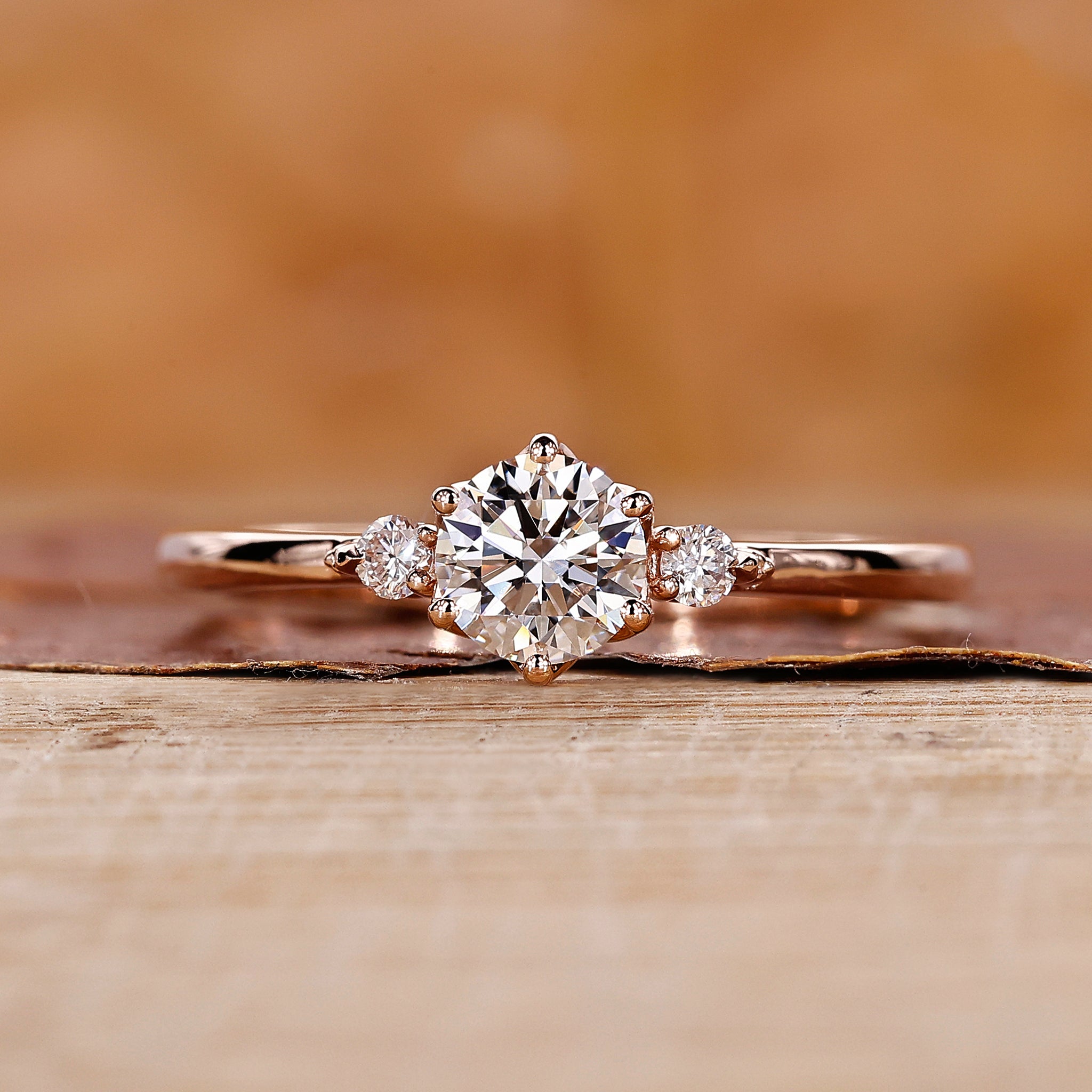
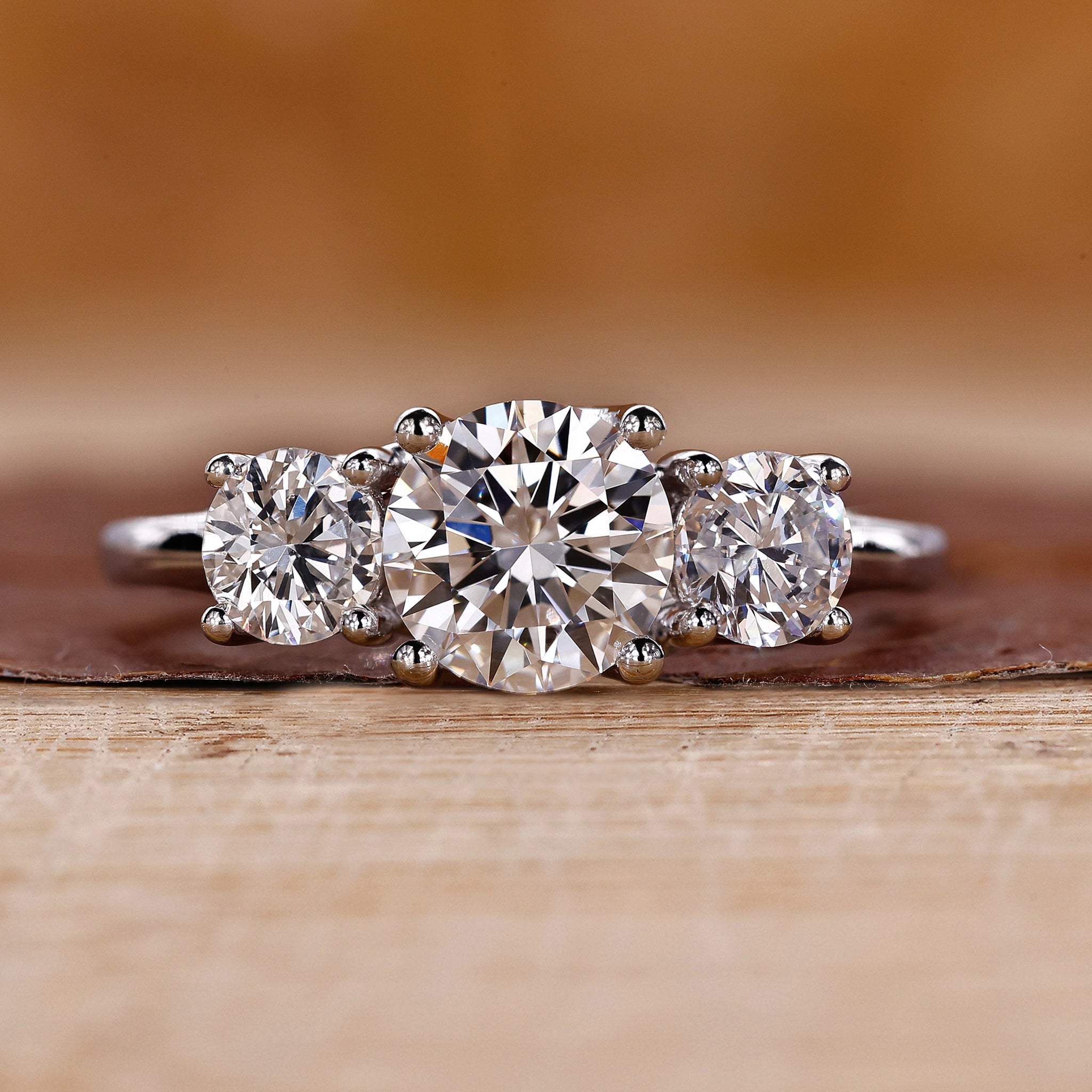
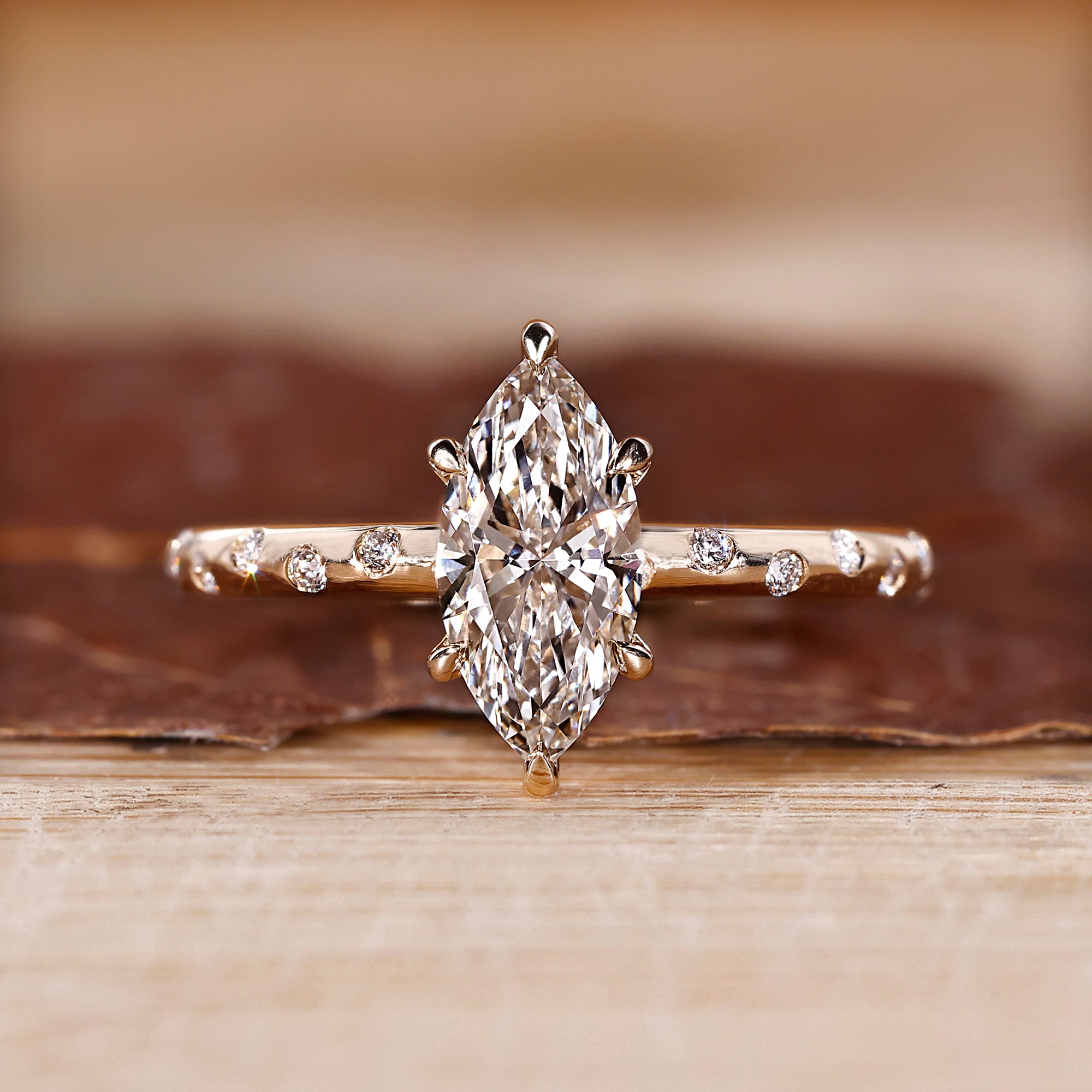
A wedding ring is often worn every day, so comfort and practical care should be part of your decision. Platinum has a heavier feel because it is denser, which some people prefer. Its natural white colour also makes it a suitable choice for those who do not want a coloured metal.
Gold is lighter and gives you more options when it comes to colour and purity. It can be a practical choice for everyday wear, but the type of gold matters. White gold may need rhodium replating as the surface coating wears, while yellow and rose gold do not need this particular treatment.
For everyday wear, think about:
- Weight and comfort
- Your daily activities
- Exposure to chemicals or cleaning products
- Ring maintenance
- Whether you prefer a white or coloured metal
Should Your Wedding Ring Match Your Engagement Ring?
Matching the wedding ring to the engagement ring can create a coordinated appearance. Using the same metal can make the two rings look like a natural pair, especially when their finishes and colours are similar. It is also important to check the shape and height of the engagement ring before choosing a wedding band.
You do not have to match the metals, though. A platinum engagement ring can be worn with a gold wedding band, and different gold colours can also be combined. A mixed-metal look can add contrast while giving you more freedom to choose the ring you like.
Before choosing your wedding band, check:
- Engagement ring metal
- Ring width
- Setting height
- Band shape
- Metal colour
- How comfortably both rings sit together
How to Choose the Right Wedding Ring Metal
Start with the points that matter most to you rather than choosing a metal based only on its appearance. Your budget can help narrow down the options, while your daily routine can help you decide how much durability and maintenance you need. It is also worth considering whether you prefer a lighter or heavier ring.
Your engagement ring and other jewellery can also guide your choice. If you wear mostly yellow gold jewellery, yellow gold may fit naturally into your collection. If you prefer white metals, platinum or white gold may be more suitable.
Platinum vs Gold: Which One Should You Choose?
Platinum can be a good choice if you want a naturally white metal with a high level of purity and a heavier feel. It is well suited to regular wear and can work particularly well with diamond engagement rings. Its higher price should be considered when planning your jewellery budget.
Gold may be the better option if you want more flexibility with colour, purity and price. Yellow, white and rose gold each offer a different look, while different gold purities give you more choice when balancing cost and composition. The right option is the one that fits your style, budget and everyday needs.
Final Thoughts
Platinum and gold can both make excellent wedding rings, but they offer different qualities. Platinum provides high purity, a natural white colour and a heavier feel, while gold offers more choices in colour, purity and price. Neither is automatically the right choice for everyone.
Think about how you want your wedding ring to look, how you will wear it and how much maintenance you are comfortable with. Comparing these factors before buying can help you choose a ring that works well with your engagement ring and suits your everyday life.
Find the Ring That Feels Right
Compare platinum and gold wedding rings, then find a design that suits your style, budget and everyday wear. Diamondrensu UK, offers a range of wedding ring designs in different metals, finishes and styles to help you find the right match for your engagement ring.
Explore Wedding RingsFrequently Asked Questions
Leave a comment
Please note, comments must be approved before they are published.