The History of Toi et Moi Rings: From Antique Jewellery to Modern Engagement Rings
Toi et Moi rings have a simple yet recognisable style, with two gemstones placed together in one setting. The French name means “You and Me”, which is why these rings are often chosen for engagements. Unlike a solitaire ring, this design gives both gemstones a place of their own.
The style has a history that stretches back centuries, from antique jewellery to modern engagement rings. Over time, jewellers have experimented with different gemstone shapes, colours and settings. Today, Toi et Moi rings are available in both traditional and contemporary styles.
What Are Toi et Moi Rings?
Toi et Moi ring features two centre gemstones set side by side or at an angle. The stones can be the same shape and size, or they can differ in colour and cut. Popular combinations include two diamonds or a diamond paired with a sapphire, ruby or emerald.
The setting plays an important part in the overall appearance of the ring. Some designs place the stones close together, while others use an asymmetrical arrangement. This gives buyers plenty of options when choosing a ring that suits their personal taste.
The Origins of Toi et Moi Rings
Two-stone rings have been part of jewellery history for centuries. In earlier periods, rings were often made to mark relationships, family connections or important occasions. Using two gemstones in one setting offered a different look from jewellery centred on a single stone.
The French name “Toi et Moi” became associated with the idea of two people joined together. Although the exact origins of the style are difficult to trace, historical examples show how jewellers used paired gemstones in different ways. These earlier designs helped shape the style recognised today.
Napoleon Bonaparte and Joséphine’s Engagement Ring
One of the most famous examples in the history of Toi et Moi rings is the engagement ring Napoleon Bonaparte gave Joséphine de Beauharnais in 1796. The ring contained a pear-shaped sapphire and a pear-shaped diamond set beside one another. Its two-stone arrangement has become closely associated with the history of this jewellery style.

The ring is often mentioned because it connects a recognisable design with a well-known historical relationship. The blue sapphire and diamond created a contrast in colour while sharing the same setting. Although two-stone rings existed beyond this example, Napoleon and Joséphine’s engagement ring remains an important reference when discussing Toi et Moi jewellery.
Toi et Moi Rings During the Eighteenth and Nineteenth Centuries
During the eighteenth and nineteenth centuries, jewellers used gold, silver and a variety of gemstones to create rings in different styles. Two-stone designs brought together gems such as diamonds, sapphires and rubies, with their size, colour and arrangement depending on the ring’s design and the materials available at the time.
As jewellery styles changed, jewellers experimented with different settings and gemstone combinations. Some rings placed two similar stones side by side, while others paired contrasting colours or shapes. Engraved metalwork and hand-crafted settings appeared in jewellery of these periods, although the details varied according to the maker and era.
Toi et Moi Rings in the Victorian and Edwardian Eras
During the Victorian era, from 1837 to 1901, jewellery often carried personal meaning and reflected the fashions of the time. Gemstones and decorative metalwork were used in many types of rings, including pieces made to mark relationships or special occasions. Two-stone designs fitted naturally into this tradition of personal jewellery.
The Edwardian era, from 1901 to 1910, brought a preference for delicate metalwork in much fine jewellery. Platinum became increasingly popular for intricate settings, particularly in pieces set with diamonds. While not every ring followed the same style, jewellery from these periods shows how changing tastes influenced gemstone settings.
How Toi et Moi Rings Changed During the Twentieth Century
During the twentieth century, engagement ring styles changed with fashion and developments in jewellery making. Solitaire diamond rings became widely recognised, but two-stone designs remained an option for people who wanted something different. Some rings retained traditional details, while others adopted simpler shapes and cleaner settings.
Improvements in gemstone cutting gave jewellers more choices when combining two centre stones. Round, oval, emerald and marquise cuts could be arranged in different ways to create varied looks. Gold and platinum settings also allowed buyers to choose a metal that suited their preferred style.
The Meaning Behind Toi et Moi Rings
The name “You and Me” is a key reason many couples associate Toi et Moi rings with partnership. Two gemstones in one setting can represent two people sharing a life while keeping their own identities. This meaning makes the style a popular option for engagements and anniversaries.
Couples can also choose gemstones that hold personal significance. Some prefer two matching diamonds, while others select different colours or shapes to represent their individual tastes. The meaning is personal, allowing each pair to decide what the two stones represent to them.
People may choose this style to represent:
- A relationship between two people.
- Two individual personalities.
- Shared memories or important occasions.
- Family connections or birthstones.
- Personal taste in gemstone shapes and colours.
Toi et Moi Rings in Modern Engagement Jewellery
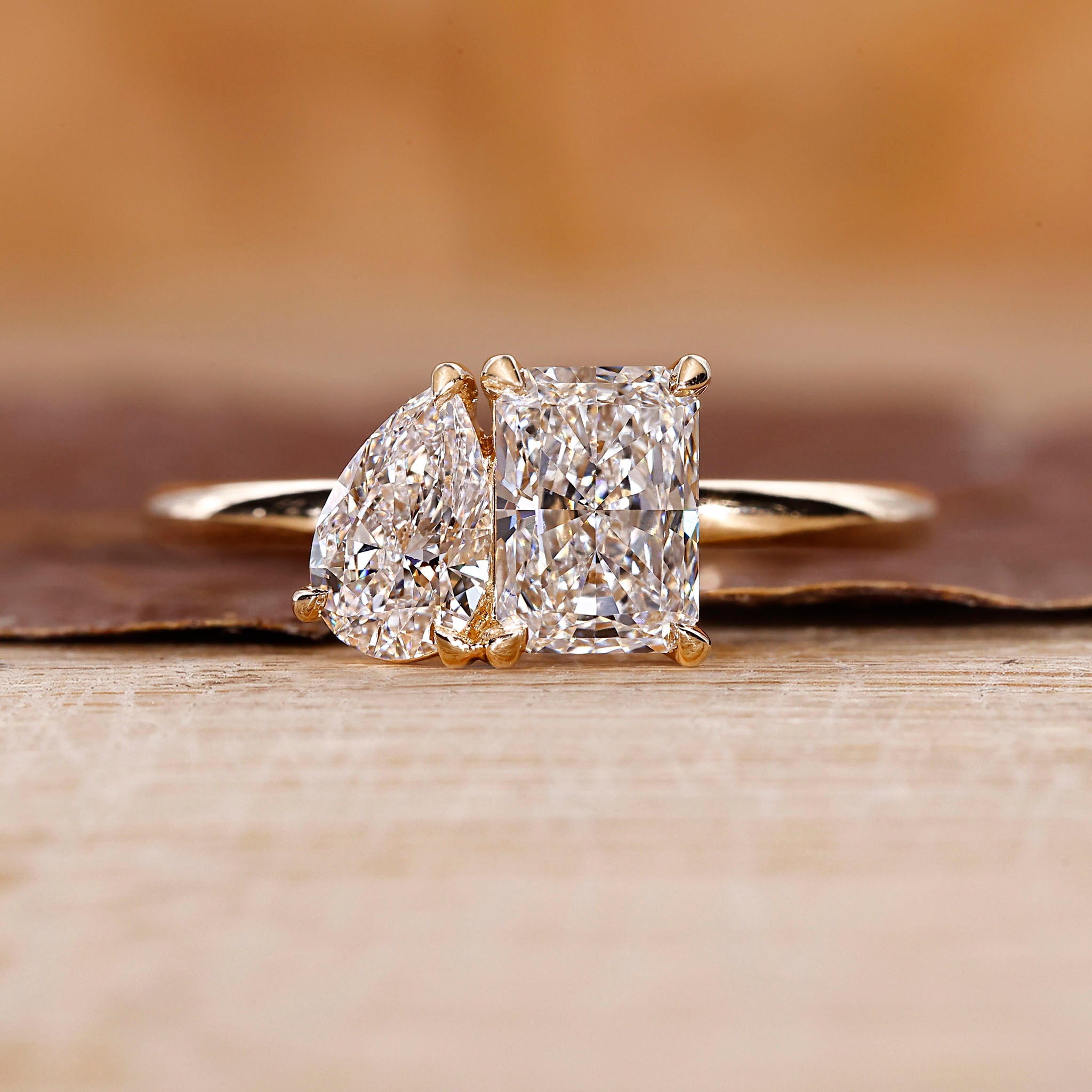


Today, Toi et Moi rings come in many styles, from simple settings to designs with more detailed metalwork. Some use two gemstones of similar size, while others combine a larger stone with a smaller one. The stones may sit side by side, face different directions or follow an angled arrangement.
Modern designs also offer a wide choice of gemstones and precious metals. Couples can select two diamonds or combine a diamond with a coloured gemstone. Yellow gold, white gold, rose gold and platinum provide different looks, making it easier to find a ring that suits personal preferences.
Popular Toi et Moi Ring Styles Today
The choice of gemstone shapes can change the entire appearance of a Toi et Moi ring. Pear and oval cuts create a different outline from two round diamonds, while emerald and round cuts provide a contrast in shape. Some designs use similar stones for a balanced look, while others focus on the differences between them.
The setting also affects how the ring looks and feels when worn. An asymmetrical arrangement can give the stones a different direction, while a more balanced setting keeps them close together. These options make the style suitable for people with different tastes in engagement jewellery.
Popular styles include:
- Pear and oval gemstone combinations.
- Diamond and sapphire pairings.
- Two round diamonds in one setting.
- Emerald and round gemstone combinations.
- Asymmetrical two-stone settings.
- Yellow, white or rose gold bands.
How Gemstones and Metals Influence Modern Designs
The gemstones chosen for a Toi et Moi ring affect its colour, appearance and care requirements. Diamonds, sapphires and rubies are common options, while emeralds offer another colour choice. Since different gemstones have different levels of hardness and durability, it is worth considering how the ring will be worn before selecting the stones.
The metal and setting are equally important when choosing a ring. Yellow gold, white gold, rose gold and platinum each have their own appearance and properties. A jeweller can help determine how to secure both gemstones, particularly when their shapes or sizes differ, and explain the care needed to keep the ring in good condition.
Antique Toi et Moi Rings Compared with Modern Designs
Antique Toi et Moi rings reflect the materials and jewellery-making methods of the period in which they were created. Some have older gemstone cuts, traditional settings or hand-worked details. They may also carry personal history if they have been passed down through a family, although their condition and authenticity should always be checked.
Modern Toi et Moi rings offer more flexibility in gemstone choice, metal type and setting style. Buyers can select a combination that suits their preferences or work with a jeweller on a custom-made ring. Neither antique nor modern rings are automatically the better choice; the decision depends on budget, condition and personal taste.
| Detail | Antique Rings | Modern Rings |
|---|---|---|
| Style | Reflects the jewellery fashions of the period in which the ring was made. | Includes traditional designs, clean lines and contemporary styles. |
| Gemstones | May contain older cuts, natural wear or gemstones replaced during repairs. | Available in a wide range of cuts, sizes and colour combinations. |
| Setting | May show hand-crafted details and traditional metalwork. | Can use modern setting techniques and customised arrangements. |
| History | May have family connections, documented provenance or a history linked to its period. | Can be chosen to mark an engagement, anniversary or personal milestone. |
| Metal Choices | Often uses gold, silver or platinum, depending on the age and type of ring. | Available in yellow gold, white gold, rose gold and platinum. |
| Customisation | Changes may be limited by the original construction and condition. | Gemstones, metal types and settings can often be selected to suit personal preferences. |
| Condition | Should be checked for worn claws, loose stones, previous repairs and signs of damage. | Should be checked for setting quality, secure gemstones and a comfortable fit. |
| Main Consideration | Authenticity, condition, provenance and the cost of any necessary repairs. | Materials, workmanship, fit, budget and ongoing care. |
Why Toi et Moi Rings Continue to Attract Buyers
Toi et Moi rings appeal to people who want an engagement ring with two centre stones rather than one. The combination can be simple or colourful, depending on the gemstones and setting. Different cuts and sizes also give buyers a way to choose a ring that suits their own style.
The design also connects modern jewellery with a long history of two-stone rings. Some buyers appreciate its historical associations, while others are drawn to the meaning of two gemstones in one setting. This combination of personal choice and historical background helps keep the style relevant.
How to Choose a Toi et Moi Engagement Ring
Start by choosing the gemstones and shapes you prefer. Matching stones create a more balanced appearance, while different cuts or colours offer contrast. Consider how the stones sit together and whether their size suits the band, as this can affect both the ring’s appearance and its comfort.
Next, think about the metal, setting and care requirements. If you plan to wear the ring every day, ask a jeweller about stone security and durability. Check the ring size and how high the gemstones sit, and make sure the design feels comfortable on your hand.
- Gemstone type, colour and cut.
- Metal type and setting style.
- Ring size and everyday comfort.
- Security of both gemstones.
- Cleaning and maintenance needs.
- Budget and workmanship.
Conclusion
Toi et Moi rings have developed from historical two-stone jewellery into a recognised choice for modern engagement rings. Famous examples, including the ring associated with Napoleon and Joséphine, have helped keep the style in the public eye. Over time, changing gemstone cuts, metals and settings have given jewellers new ways to create these rings.
Today, buyers can choose an antique piece or a modern design with their preferred gemstone combination. The right choice depends on personal taste, budget and how the ring will be worn. With two gemstones at the centre of the design, Toi et Moi rings offer an alternative to the traditional solitaire.
Create Your Custom Toi et Moi Ring
Explore Toi et Moi engagement rings at Diamondrensu and customise your design with your preferred gemstones, diamond shapes and precious metals.
Customise Your RingFrequently Asked Questions

Leave a comment
Please note, comments must be approved before they are published.