Lab Grown Diamond Buying Guide UK: What to Know Before You Buy
Buying a lab grown diamond in the UK involves more than choosing a carat size or an attractive ring design. Before purchasing, buyers should understand the 4Cs -cut, colour, clarity, and carat along with diamond shape, certification, setting, metal, and overall price. These details help you compare diamonds properly and choose an option that matches your budget and preferred style.
It is also important to check the grading report, retailer policies, ring size, return terms, warranty, and delivery details, especially when buying online. Lab grown diamonds are available in a wide range of shapes, qualities, and designs, so comparing the complete specifications rather than price alone can help you make a more informed buying decision.
What Are Lab Grown Diamonds?
Lab grown diamonds are diamonds created in a controlled laboratory environment rather than formed naturally underground over millions of years. Manufacturers use advanced processes that recreate the conditions needed for diamond growth.
The two main production methods are Chemical Vapour Deposition (CVD) and High Pressure High Temperature (HPHT). Both methods can produce diamonds with the same carbon-based crystal structure found in mined diamonds. A lab grown diamond is not the same as a diamond simulant such as cubic zirconia or some types of moissanite. It is a diamond, but its origin is different.
For UK buyers, this distinction matters because the choice is not simply about whether a stone is a "real" diamond. Instead, you can compare its quality, grading, price, design, and origin before deciding what works best for you.
Are Lab Grown Diamonds Worth Buying in the UK?
Lab grown diamonds can be a practical choice for Diamondrensu UK buyers who want to balance diamond quality, size, and budget. They can often provide more flexibility when choosing a centre stone or ring setting, while offering the hardness and durability expected from a diamond. This makes them suitable for engagement rings and other jewellery intended for regular wear.
Another benefit is the wide range of choices available. UK buyers can compare different diamond shapes, carat weights, colour and clarity grades, settings, and designs. Whether a lab grown diamond is right for you depends on your priorities, so compare its price, quality, certification, appearance, and origin before making your purchase.
Understand the 4Cs Before Buying
The 4Cs - cut, colour, clarity, and carat provide a useful starting point when comparing diamonds. Each affects the appearance and price of a stone, but they do not all have the same visual impact.

Cut
Cut refers to how well a diamond has been shaped and proportioned. It influences how the stone handles light and can have a major effect on its appearance. When comparing diamonds with similar carat weights, a well-cut stone can look brighter and more lively than one with weaker proportions.
Do not confuse cut with shape. Round, oval, pear, emerald, and marquise describe the diamond's shape, while cut grading evaluates how effectively the stone has been fashioned.
Colour
Diamond colour grades measure how much body colour a diamond shows. Many grading systems use a scale that moves from colourless grades towards stones with more visible yellow or brown tones. For a white-looking diamond, you do not always need the highest available grade. The right choice can depend on the setting, shape, and personal preference.
For example, yellow gold can work well with a slightly warmer diamond, while buyers choosing white gold or platinum may prefer a higher colour grade.
Clarity
Clarity describes internal inclusions and external blemishes that can occur within or on a diamond. Higher clarity grades generally contain fewer visible characteristics.
However, the highest clarity grade is not always necessary for a beautiful diamond. A stone with minor inclusions that are difficult to see without magnification may offer better value than paying considerably more for a higher grade.
Carat
Carat measures diamond weight rather than its exact visual size. Two diamonds with the same carat weight can appear slightly different in dimensions depending on their shape and proportions.
When choosing a carat size, consider the overall ring design rather than focusing only on the number. The setting, diamond shape, finger size, and side stones can all affect how large the finished ring looks.
Choose the Right Diamond Shape
Diamond shape is one of the most noticeable choices you will make. Each shape creates a different look and can work with different ring styles.
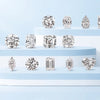
Round: A popular choice for traditional engagement rings and solitaire designs.
Oval: An elongated shape that can create a larger visual spread across the finger.
Cushion: Known for its soft corners and balanced appearance, available in different proportions.
Emerald: Uses long step-cut facets that create a clean, open appearance.
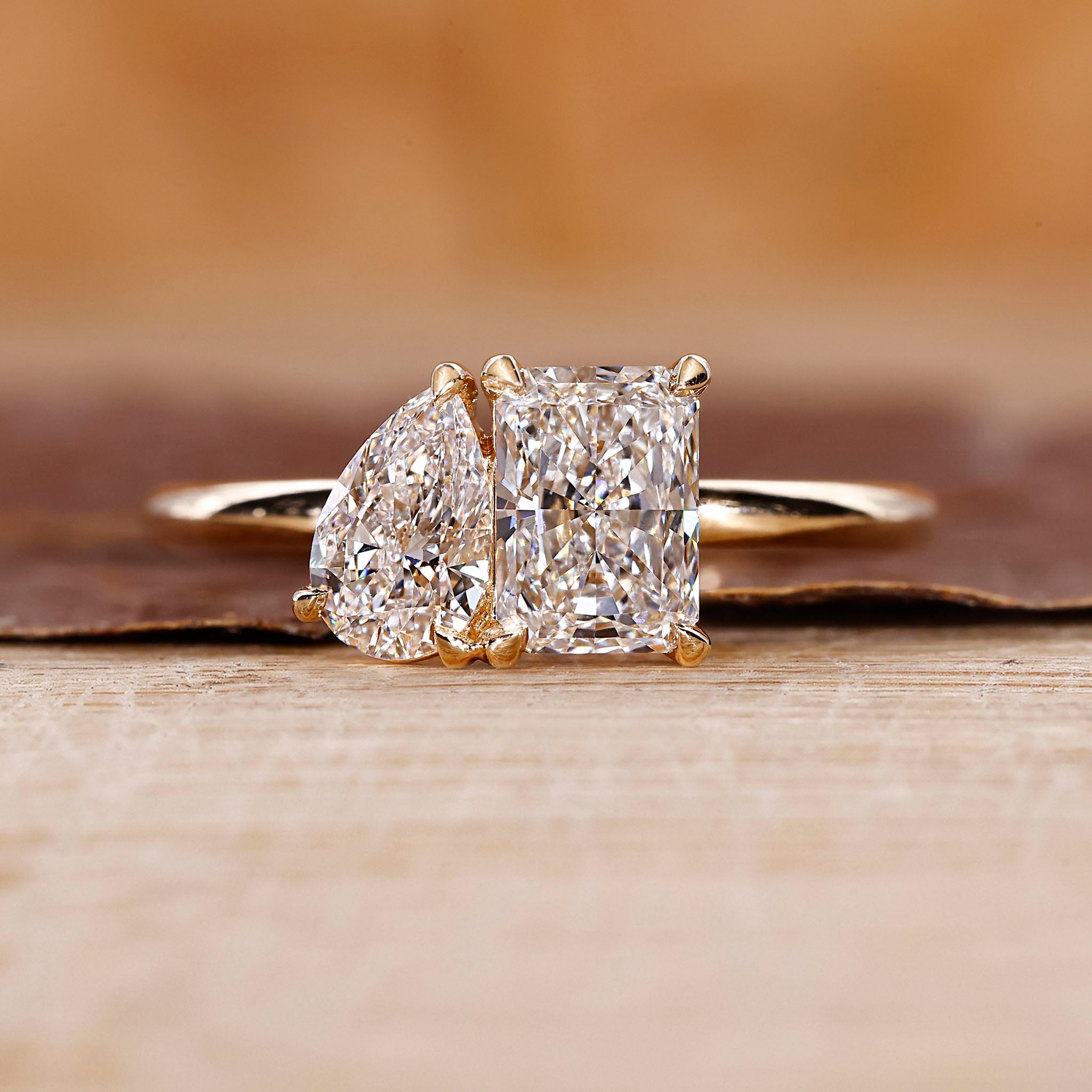
Pear: Combines a rounded end with a pointed tip and works well for distinctive engagement ring designs.
Marquise: Its elongated outline can create a long appearance on the finger.
Princess: A square or rectangular shape with a modern geometric look.
Radiant: Combines a rectangular or square outline with brilliant-style faceting.
When choosing a shape, consider your personal style, the ring setting, and how the proportions look on your hand.
Check the Lab Grown Diamond Certification
Certification is an important part of comparing diamonds. A grading report provides information about the diamond's characteristics and helps buyers understand what they are purchasing.
A report can include details such as:
- Carat weight
- Colour grade
- Clarity grade
- Cut information
- Measurements
- Diamond shape
- Identification details
- Laboratory-grown origin
Well-known grading laboratories include organisations such as the International Gemological Institute and the Gemological Institute of America.
Always check the grading report details against the diamond you are considering. If a report number is provided, verify that the information matches the stone and product listing.
How Much Do Lab Grown Diamonds Cost in the UK?
There is no single price for a lab grown diamond. The final cost can vary significantly depending on the diamond's carat weight, cut, colour, clarity, shape, certification, and current market pricing. The ring itself can also affect the total price. A simple solitaire setting will have a different cost from a design with multiple side stones, intricate detailing, or a more substantial metal weight.
When comparing prices, look beyond the headline figure. Check whether the listed price includes the setting, whether the diamond has a grading report, what metal the ring uses, and whether customisation changes the price.
Choose the Right Metal for Your Ring
The metal surrounding the diamond can change the overall appearance of an engagement ring.
Yellow Gold
Yellow gold provides a warm contrast against a white diamond. It works particularly well with classic and vintage-inspired designs.
White Gold
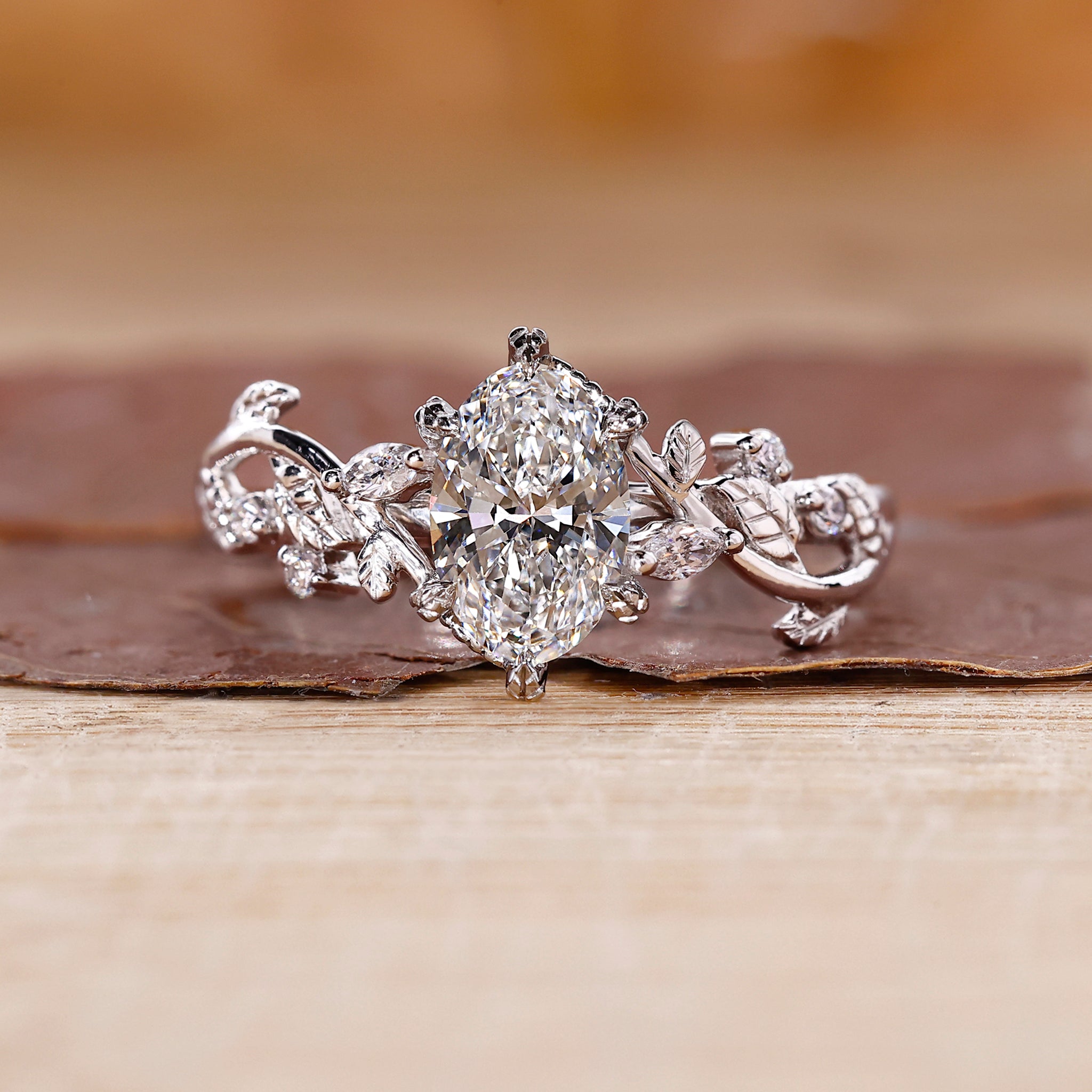
White gold offers a bright, neutral appearance that pairs naturally with many diamond shapes and modern settings.

Rose Gold
Rose gold has a warmer pink-toned appearance and can give an engagement ring a different look from traditional yellow or white gold.
Platinum
Platinum is a popular choice for buyers who want a naturally white precious metal with a substantial feel. When selecting your metal, consider your existing jewellery, preferred colour, lifestyle, and maintenance requirements.
Choose the Right Ring Setting
The setting protects the diamond while also shaping the appearance of the finished ring.
Solitaire Setting
A solitaire ring focuses attention on one centre diamond. It is a straightforward choice for buyers who want the main stone to remain the main visual element.
Halo Setting
A halo places smaller diamonds around the centre stone. This can create a larger overall appearance and add additional detail around the main diamond.
Three Stone Setting
Three stone rings use a central diamond with two additional stones. The proportions can vary depending on the selected diamond shapes and design.
Pavé Setting
Pavé settings place smaller diamonds closely along part of the ring's surface. They can add additional sparkle without changing the centre stone's shape.
Bezel Setting
A bezel setting surrounds the edge of the diamond with metal. It provides a different appearance from traditional prong settings and can offer additional protection around the stone.
Hidden Halo
A hidden halo places smaller diamonds beneath the centre stone. The detail is less noticeable from the top but can add visual interest from the side.
Lab Grown Diamond vs Natural Diamond
| Factor | Lab Grown Diamond | Natural Diamond |
|---|---|---|
| Origin | Created in a controlled laboratory | Formed naturally beneath the Earth |
| Composition | Same carbon crystal structure as natural diamonds | Naturally formed carbon crystal structure |
| Price | Generally more affordable | Generally more expensive |
| Appearance | Can look the same as a natural diamond | Natural diamond appearance |
| Durability | Suitable for everyday jewellery | Suitable for everyday jewellery |
| Certification | Grading reports available for many diamonds | Grading reports widely available |
| Buying Choice | More flexibility for size and budget | Preferred by buyers seeking natural origin |
What to Check When Buying Online in the UK
Online shopping gives UK buyers access to a wide range of lab grown diamond rings, but it is important to check the product information carefully.
Before placing an order, review:
- Diamond carat weight
- Shape and dimensions
- Colour and clarity grades
- Cut information
- Certification details
- Ring metal
- Ring size
- Setting type
- Customisation options
- Return policy
- Warranty information
- Shipping times
- Customer service details
Product photographs can also be useful, but remember that images may not show the exact scale of a ring. Check measurements and compare them with a ring you already own if possible.
UK-Specific Buying Considerations
UK shoppers should consider more than the diamond itself. The retailer's policies can affect the overall buying experience. Check whether the seller provides delivery within the UK and clearly explains expected shipping times. If the ring is made to order or customised, confirm whether this changes the return or exchange policy.
Ring sizing also deserves attention. If you are buying an engagement ring as a surprise, finding the correct size can require some planning. If the size is uncertain, check the retailer's resizing policy before ordering. You should also understand what happens if the ring needs repair, resizing, or another service after purchase.
Common Mistakes to Avoid
Choosing Carat Size Over Cut Quality
A larger diamond is not automatically the best choice. Cut quality can have a significant effect on how a diamond looks.
Buying Without Checking Certification
A grading report gives you useful information for comparing diamonds. Always check whether the stone comes with appropriate documentation.
Comparing Only the Price
Two diamonds with the same carat weight can have different specifications and prices. Compare the 4Cs, shape, certification, and setting before deciding.
Ignoring the Return Policy
Especially when shopping online, understand the return period and conditions before ordering.
Forgetting Ring Size
A beautiful ring is not much use if it does not fit properly. Check sizing information carefully and ask about resizing options when necessary.
Not Checking the Full Cost
Look at the complete price rather than focusing only on the centre diamond. The setting, metal, side stones, customisation, taxes, and delivery can all affect your final cost.
How to Choose a Lab Grown Diamond for Your Budget
Start by deciding your total budget before choosing the diamond. This helps you divide your spending between the centre stone and ring setting. With a tighter budget, prioritise cut quality and overall appearance instead of focusing only on the highest clarity or colour grade. With a larger budget, you may have more flexibility to choose a higher carat weight, better grades, a detailed setting, or a premium metal.
Compare several diamonds with similar specifications and review their measurements, grading information, and prices before deciding. The goal should not be to find the largest diamond possible, but to choose a stone that fits your budget and works well with the ring design you want.
Lab Grown Diamond Buying Checklist
Before purchasing a lab grown diamond in the UK, use this simple checklist:
- Set your total budget.
- Choose your preferred diamond shape.
- Compare the 4Cs.
- Review the diamond's measurements.
- Check the grading report.
- Compare several stones with similar specifications.
- Select the ring metal.
- Choose a suitable setting.
- Confirm your ring size.
- Read the return and resizing policies.
- Check delivery information.
- Confirm the final price before checkout.
Taking a few extra minutes to review these points can make it easier to compare different rings and avoid unexpected issues.
Conclusion
Buying a lab grown diamond in the UK becomes easier when you know what to compare. Start with your budget, then consider the 4Cs, diamond shape, certification, setting, metal, and retailer policies. Rather than choosing based only on carat weight or price, review the complete specifications and compare similar stones before making your decision.
For online purchases, check the certification, measurements, ring sizing, return terms, warranty information, and delivery details. Lab grown diamonds give UK buyers another option for finding a diamond that matches their preferred size, quality, design, and budget, making careful comparison an important part of the buying process.
Find a Lab Grown Diamond That Fits Your Choice
From selecting the right carat and shape to comparing settings and metals, DiamondrensuUK gives you options to build a ring around your style and budget.
Build Your RingFrequently Asked Questions
Leave a comment
Please note, comments must be approved before they are published.