Four-Prong vs. Six-Prong Oval Rings: A Side-by-Side Style Guide
Oval engagement rings are a popular choice for their elongated shape and the way they create a longer appearance on the finger. Along with the diamond's cut and size, the prong setting affects the ring's appearance, stone security, and overall design. Four-prong and six-prong settings are two common options, each offering a different look for an oval center diamond.
Choosing between these settings depends on your style preferences, the diamond's proportions, and how you plan to wear the ring. Four-prong settings leave more of the diamond's outline visible, while six-prong settings provide additional contact points around the stone. Comparing their differences can help you select a ring that balances appearance, protection, and everyday comfort.
What Is a Four-Prong Oval Ring?

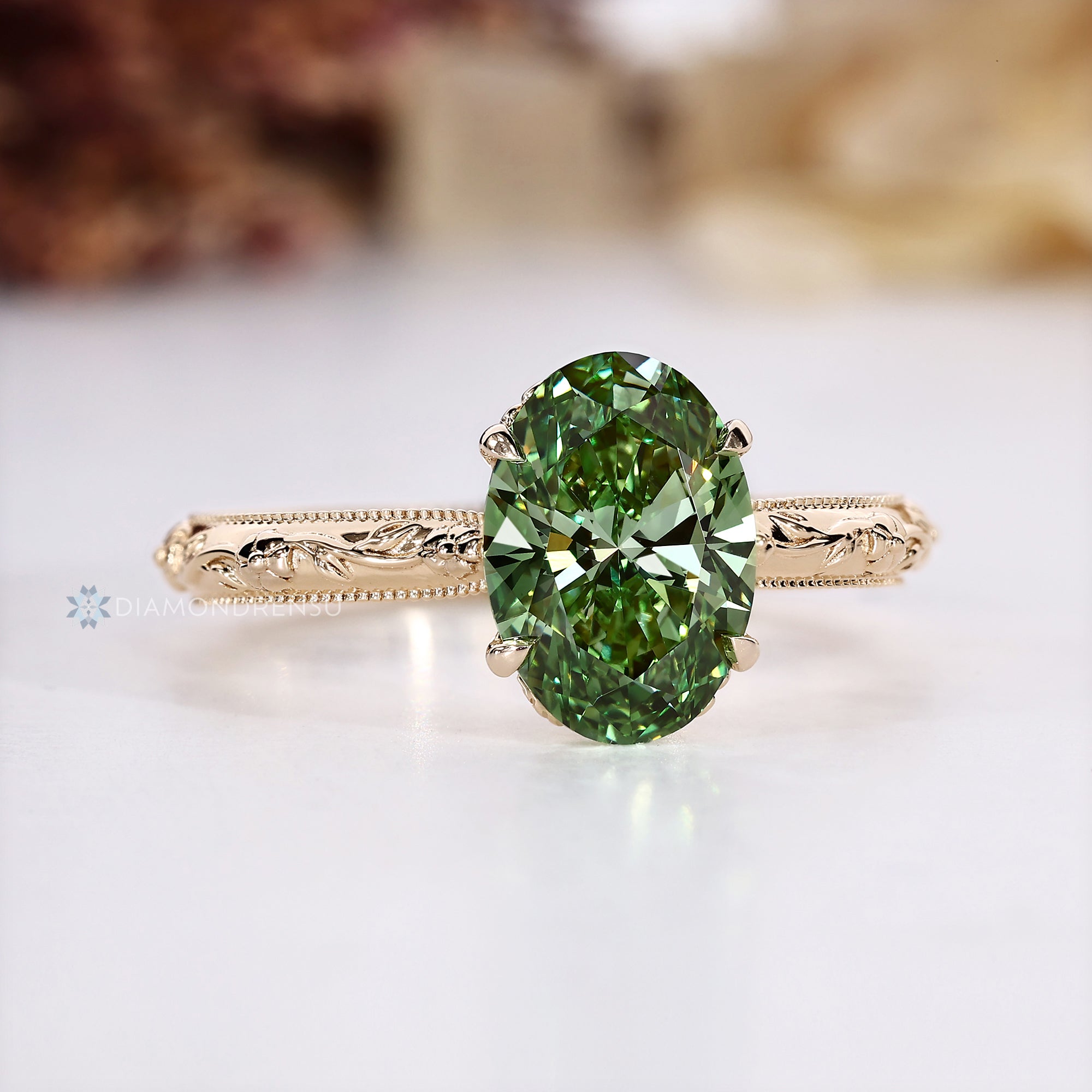
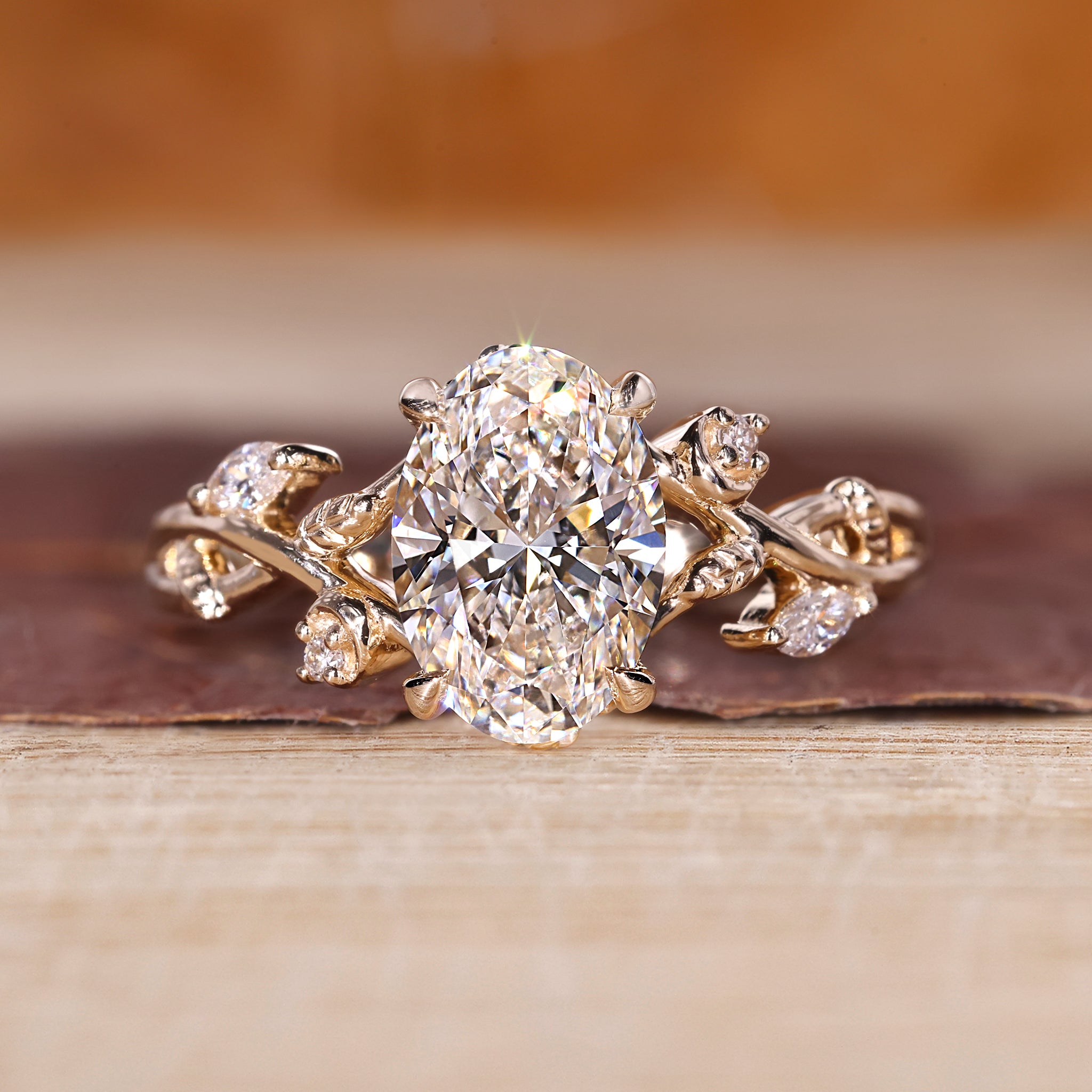
A four-prong oval ring uses four small metal tips to hold the center diamond in place. These prongs are positioned around the stone to provide support while leaving much of its outline visible. This setting works well with solitaire rings, slim shanks, and designs with diamond side stones because it keeps the center oval as the main focus.
Main Benefits of a Four-Prong Setting
- Open appearance: Fewer prongs leave more of the diamond's outline visible.
- Simple design: The setting keeps attention on the center stone.
- Versatile styling: It works with classic, modern, and side-stone rings.
- Less visible metal: A well-proportioned setting can create a less crowded appearance around the diamond.
What Is a Six-Prong Oval Ring?

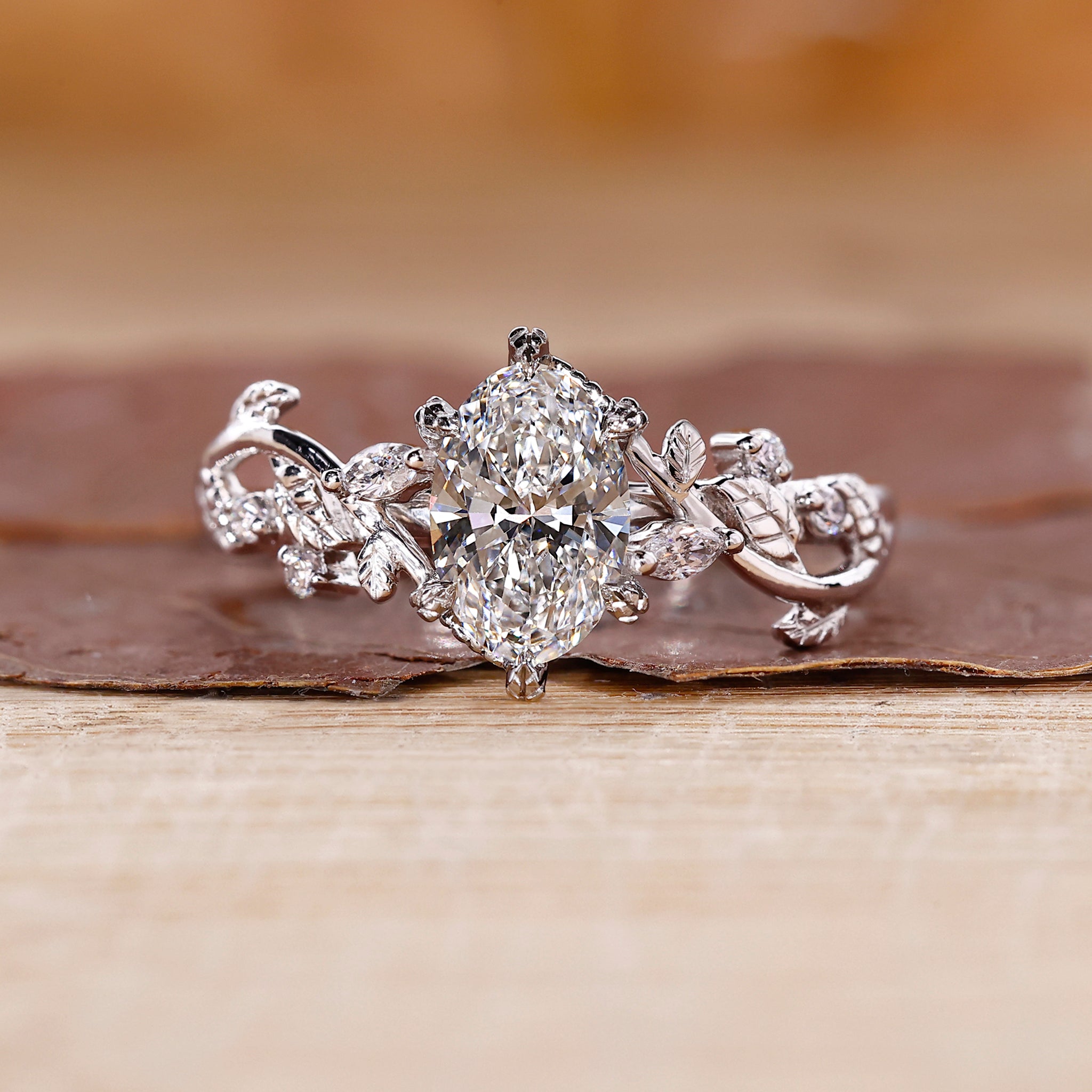
A six-prong oval ring uses six metal tips to hold the center diamond. The additional prongs create more contact points around the stone and can provide added support when correctly designed and positioned. The exact arrangement varies between ring styles, so buyers should check how the prongs hold the diamond rather than relying on the number alone.
Main Benefits of a Six-Prong Setting
- Additional contact points: Six prongs provide more points of contact around the diamond.
- Detailed appearance: The extra metal tips create a more noticeable outline around the center stone.
- Design flexibility: This setting can suit traditional, vintage-inspired, and contemporary rings.
- Potential added support: Properly positioned prongs can help keep the diamond secure.
Four-Prong vs. Six-Prong Oval Rings: Key Differences
| Comparison | Four-Prong Oval Ring | Six-Prong Oval Ring |
|---|---|---|
| Prong Count | Uses four metal tips to hold the oval diamond. | Uses six metal tips to hold the oval diamond. |
| Overall Appearance | Creates an open and simple appearance around the center stone. | Creates a more detailed appearance around the center stone. |
| Diamond Visibility | Leaves more of the diamond's outline exposed. | Covers more areas along the diamond's edge. |
| Light Performance | Depends mainly on the diamond's cut, proportions, and setting design. | Depends mainly on the diamond's cut, proportions, and setting design. |
| Stone Support | Provides four contact points to hold the diamond securely. | Provides six contact points that may offer additional support. |
| Protection | Depends on proper prong placement and construction, especially near the pointed ends. | Additional contact points may offer added support when correctly positioned. |
| Cleaning and Maintenance | Has fewer prongs to inspect and clean. | Has more prongs and crevices that may require extra cleaning attention. |
| Suitable Styles | Works well with solitaire rings, slim shanks, and side-stone designs. | Works well with traditional solitaires and vintage-inspired designs. |
Four-Prong Oval Rings: Pros and Cons
Four-prong settings appeal to buyers who prefer a simple design that keeps the center diamond visible. With fewer metal tips surrounding the stone, the setting can work particularly well for solitaire rings and designs where the oval shape is the main visual detail.
Pros
- Leaves more of the diamond's outline visible.
- Creates an open appearance around the center stone.
- Works with a wide range of shank designs and metal colors.
- Suits buyers who prefer simple, uncluttered ring styles.
Cons
- Uses fewer contact points to hold the diamond.
- Requires careful placement around the oval's pointed ends.
- Needs regular inspections to identify loose or worn prongs.
- May provide inadequate support if the prongs are too thin or poorly positioned.
Six-Prong Oval Rings: Pros and Cons
Six-prong settings provide additional contact points around the center diamond and create a more detailed appearance. They can appeal to buyers who want more visible metalwork around the oval stone while maintaining a traditional engagement ring style.
Pros
- Provides more contact points around the diamond.
- May offer added support when the prongs are properly positioned.
- Creates a more detailed outline around the center stone.
- Works with traditional and vintage-inspired designs.
Cons
- Covers more areas along the diamond's edge.
- Has additional prongs and crevices that need cleaning.
- May look crowded if the prongs are too large for the stone.
- Still requires proper construction and regular maintenance.
Which Setting Makes an Oval Diamond Look Bigger?
A four-prong setting may make an oval diamond appear more open because fewer metal tips cover its outline. This can help the elongated shape remain visible and keep attention on the center stone. However, the number of prongs does not change the diamond's actual size, and a six-prong setting can also look well-balanced when designed correctly.
Several factors influence the apparent size of an oval diamond, including its length, width, proportions, and the amount of metal visible around it. Two diamonds with the same carat weight can have different face-up measurements, so comparing their dimensions in millimeters is useful. The ring shank and setting height can also affect the overall appearance of the finished ring.




Which Setting Offers Better Protection for an Oval Diamond?
Six-prong settings provide more contact points, which may offer additional support when correctly positioned. However, four-prong settings can also secure an oval diamond effectively when designed for the individual stone. The number of prongs alone does not determine how well a diamond is protected.
When comparing settings, pay attention to these details:
- Pointed ends: Both ends of the oval should have suitable protection against impacts.
- Prong thickness: The metal tips should be strong enough for the stone and setting.
- Secure construction: The diamond should sit firmly without unnecessary movement.
- Metal quality: The chosen metal and craftsmanship affect the setting's durability.
- Professional inspections: Regular checks can identify worn, bent, or loose prongs.
Four-Prong vs. Six-Prong Oval Rings for Everyday Wear
Both four-prong and six-prong oval rings can suit everyday wear when properly constructed and maintained. Comfort depends on the ring's fit, setting height, prong shape, and how the design sits against the finger. A lower-profile setting may be more practical for people who frequently use their hands, provided it still offers appropriate support for the diamond.
Regular care helps maintain either setting. Clean the ring gently to remove soap, lotion, and everyday residue, and avoid wearing it during activities that could expose the diamond to hard impacts. Have a jeweler inspect the prongs periodically, particularly if the diamond moves or the setting catches on clothing. Six-prong rings have more prongs to check, but four-prong rings also require regular inspections to keep the stone secure.
Which Ring Setting Suits Different Jewelry Styles?
The best setting depends on the complete ring design, including the center diamond, shank, metal color, and decorative details. Both four-prong and six-prong settings can complement different engagement ring styles.
- Solitaire engagement rings: Four prongs create an open view of the center stone, while six prongs add more visible metal details around it.
- Oval rings with hidden halos or side stones: Four-prong settings can keep the center diamond's outline open. Six-prong settings can also work with these designs when the additional details are properly accommodated.
- Vintage-inspired rings: Six prongs may complement traditional metalwork and decorative designs. Four prongs can also suit vintage styles when paired with milgrain or engraved details.
- Modern engagement rings: Four-prong settings work well with slim shanks and simple lines, while six-prong settings offer another option for contemporary designs with carefully proportioned details.
Consider the entire ring rather than choosing by prong count alone. The shank width, setting height, and surrounding diamonds can influence the final appearance just as much as the prongs.
How to Choose Between Four-Prong and Six-Prong Oval Rings
Start by considering your preferred appearance. If you want a more open view of the oval diamond, a four-prong setting may be a good option. If you prefer additional contact points and a more detailed outline, consider a six-prong setting. Comparing rings from different angles can help you judge the amount of visible metal and how the setting suits the stone.
Before purchasing, use this checklist to compare your options:
- Compare the diamond's length, width, and proportions.
- Check how the prongs protect both pointed ends.
- Inspect the prong thickness and placement.
- Consider the setting height and everyday comfort.
- Ask about cleaning and professional maintenance.
- Compare the complete price, including the metal and craftsmanship.
Conclusion
Four-prong and six-prong oval rings each have advantages. Four-prong settings provide a more open appearance with fewer visible metal tips, while six-prong settings offer additional contact points and a more detailed outline around the center stone. Both styles are available from DiamondrensuUK and can suit solitaire, side-stone, and other engagement ring designs when properly crafted.
The right choice depends on personal preference, diamond proportions, and setting quality. When choosing an oval ring from DiamondrensuUK, consider the protection around the diamond's pointed ends, the security of the prongs, and everyday comfort. A well-made setting and regular professional inspections can help keep your oval diamond secure over time.
Find Your Perfect Engagement Ring Setting
Explore engagement ring settings at Diamondrensu UK, and compare styles to find the right fit for your taste and everyday wear.
Explore Engagement RingsFrequently Asked Questions
Leave a comment
Please note, comments must be approved before they are published.